

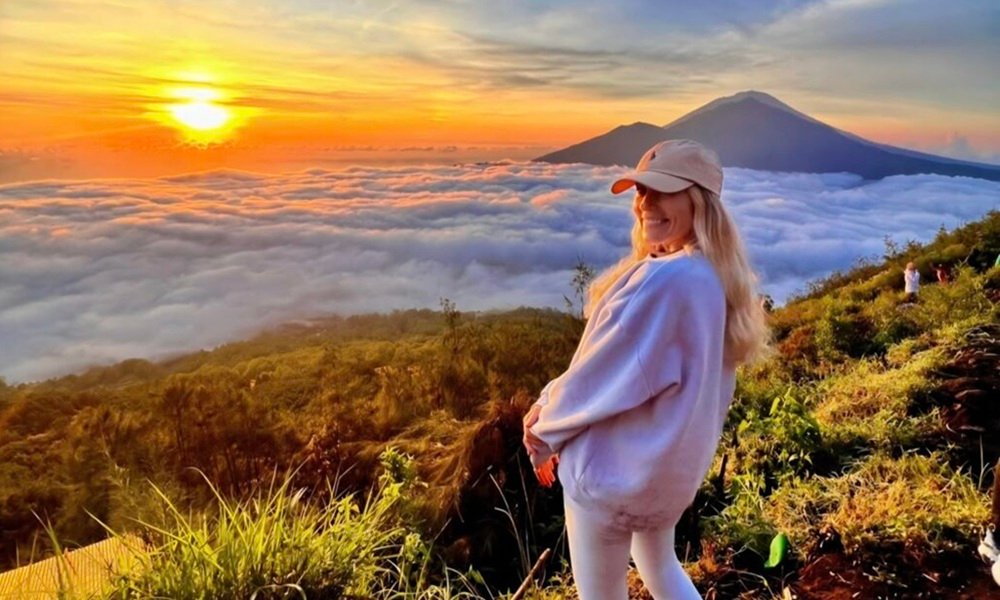
Best Time to Climb Mount Batur for Sunrise Adventure
Reaching the summit of Mount Batur before sunrise is one of the most memorable land adventures in Bali, but choosing the best time to climb Mount Batur can significantly influence your overall experience. Weather conditions, trail visibility, crowd levels, and even the quality of the sunrise vary throughout the year. Whether you’re looking for crystal-clear panoramic views, cooler hiking temperatures, or a quieter trail, understanding seasonal differences helps you plan a safer and more rewarding trek.
Located in the Kintamani Highlands, Mount Batur sunrise trak attracts thousands of visitors every month thanks to its relatively moderate hiking route and breathtaking sunrise overlooking Lake Batur, Mount Agung, and, on exceptionally clear mornings, even Mount Rinjani on neighboring Lombok. Although the volcano is accessible year-round, not every month offers the same conditions. This guide explains when to visit, what to expect during each season, and how to choose the ideal time based on your travel style.
Why Best Time to Climb Mount Batur Depends on More Than the Weather
Many travelers assume the dry season is automatically the perfect choice, but weather is only one factor that affects the hiking experience. The “best” time can mean different things depending on your priorities.
Some hikers prioritize spectacular sunrise photography, while others prefer avoiding crowds or enjoying cooler temperatures during the climb. Families with children may value stable trail conditions, whereas experienced adventurers might enjoy the challenge of hiking during quieter months.
Several factors influence your experience, including:
- Seasonal rainfall
- Cloud cover before sunrise
- Air temperature
- Trail conditions
- Tourist numbers
- Holiday periods
- Visibility from the summit
- Sunrise timing
Balancing these elements allows you to choose a hiking date that matches your expectations rather than simply following peak tourist seasons.
Understanding Mount Batur’s Climate
Unlike Bali’s coastal destinations, Mount Batur has a cooler mountain climate due to its elevation of approximately 1,717 meters (5,633 feet) above sea level.
The hike usually begins between 2:00 AM and 3:30 AM, when temperatures are considerably lower than at the beach. Depending on the season, early morning temperatures generally range between 10°C and 18°C (50°F–64°F).
The climate can change rapidly within a few hours. You may begin the hike under clear stars, encounter light mist halfway up the mountain, and then enjoy bright sunshine shortly after sunrise.
Because of these changing conditions, checking the weather forecast before your hike is always recommended.
Dry Season: The Most Popular Time to Visit
The dry season, which generally lasts from April through October, is widely considered the most reliable period for hiking Mount Batur.
During these months, rainfall is less frequent, trails are drier, and sunrise visibility is often excellent.
Advantages of hiking during the dry season include:
- More stable weather
- Lower chance of rain
- Clearer sunrise views
- Better visibility for photography
- Less slippery hiking trails
- Comfortable humidity levels
These conditions make the trek more enjoyable for beginners as well as experienced hikers.
However, popularity comes with one disadvantage—larger crowds.
Since thousands of visitors choose the same favorable months, the summit can become busy, especially during weekends and public holidays.
Booking your tour several days in advance is recommended during peak travel periods.
Why July and August Are Peak Months
July and August are among Bali’s busiest tourism months because they coincide with school holidays in many countries and favorable weather conditions.
During these months, you’ll likely experience:
- Clear morning skies
- Pleasant hiking temperatures
- Excellent panoramic views
- Vibrant sunrise colors
On exceptionally clear mornings, hikers may even see multiple volcanoes stretching across the horizon.
The lively atmosphere at the summit appeals to many visitors, creating a shared sense of excitement as everyone gathers to watch the first rays of sunlight illuminate Bali’s volcanic landscape.
The downside is that trails can feel crowded, particularly near the summit viewpoints. If you prefer a quieter experience, weekdays generally offer a better alternative than weekends.
Rainy Season: A Different Kind of Adventure
Mount Batur remains open throughout most of the rainy season, which typically extends from November to March.
Many travelers avoid these months because they assume heavy rain lasts all day. In reality, Bali often experiences short, intense showers rather than continuous rainfall.
Morning conditions can still be surprisingly favorable.
Benefits of climbing during the rainy season include:
- Fewer hikers
- Less crowded viewpoints
- Easier tour availability
- Lush green landscapes
- More peaceful atmosphere
However, hikers should also be prepared for changing weather.
Possible challenges include:
- Wet volcanic rocks
- Muddy sections of the trail
- Reduced sunrise visibility
- Morning fog
- Occasional light rain during the climb
Packing waterproof clothing and shoes with excellent traction becomes more important during this period.
Is the Sunrise Worth It During the Wet Season?
Absolutely. While cloud cover is more common during the rainy months, many visitors are rewarded with dramatic skies that create unique sunrise colors.
Instead of a completely clear horizon, you may witness layers of mist flowing through the valleys while the sun gradually lights up the surrounding volcanoes.
These conditions often produce photographs that look entirely different from those taken during the dry season.
Because weather changes quickly in the mountains, even mornings that begin with clouds can clear unexpectedly just before sunrise.
For travelers who enjoy natural scenery and don’t mind a little unpredictability, the wet season can provide an unforgettable experience.
Month-by-Month Guide to Climbing Mount Batur
Each month offers slightly different conditions, making it easier to plan your adventure based on your travel preferences.
January
January falls in the heart of the rainy season. Expect occasional showers, muddy trails, and a greater chance of clouds covering the sunrise. On the positive side, the mountain is noticeably quieter, giving hikers a more peaceful experience.
February
Weather conditions remain similar to January, although rainfall may become less frequent toward the end of the month. If you’re flexible with your travel schedule, choosing mornings with a favorable weather forecast can significantly improve your chances of enjoying clear views.
March
March often marks the transition toward drier conditions. Vegetation surrounding Mount Batur appears lush and vibrant after months of rainfall, creating beautiful scenery throughout the hike.
Trail conditions gradually improve, although occasional rain is still possible.
April
April is one of the best months for many travelers. The rainy season begins to fade, temperatures remain comfortable, and the mountain becomes increasingly accessible.
Photographers especially appreciate April because clear skies are becoming more common while visitor numbers are still relatively moderate.
May
May combines stable weather with fewer crowds than the peak holiday months.
Benefits include:
- Comfortable hiking temperatures
- Dry trails
- Excellent sunrise visibility
- Pleasant morning breeze
- Lower humidity
For many local guides, May represents one of the year’s most balanced months for hiking.
June
June continues the excellent conditions established in May. Visibility is often outstanding, allowing hikers to admire Lake Batur, Mount Abang, Mount Agung, and the surrounding highlands.
Accommodation across Bali also tends to be less crowded than during the upcoming school holiday season.
July
July offers some of the clearest mornings of the year.
The cooler mountain air creates comfortable hiking conditions, but visitor numbers increase considerably.
Advance booking is highly recommended, especially if you’re planning a private trekking experience.
August
August remains one of the busiest months for Mount Batur.
While the summit may feel crowded, many visitors believe the consistently beautiful sunrise conditions justify the popularity.
If possible, choose weekdays rather than weekends for a slightly quieter experience.
September
September continues to provide excellent hiking weather while gradually becoming less crowded after the peak holiday period.
Many experienced travelers consider September one of the hidden gems of Bali’s tourism calendar.
October
October represents another transitional month.
The weather generally remains dry, although isolated showers may begin appearing toward the end of the month.
Morning conditions often remain excellent for sunrise hikes.
November
Rainfall becomes more frequent, but hiking is still possible on many mornings.
Checking weather forecasts becomes increasingly valuable during this period.
Travelers who don’t mind occasional rain can still enjoy rewarding summit views with far fewer visitors.
December
December welcomes the holiday season, bringing both increased tourism and wetter weather.
Although sunrise visibility becomes less predictable, the festive atmosphere throughout Bali makes it an attractive time for many international visitors.
Choosing the Best Time Based on Your Travel Style
Every traveler has different expectations, so the ideal time to climb Mount Batur depends on your priorities.
For First-Time Visitors
If this is your first volcano hike, the dry season between April and October offers the easiest trail conditions.
You’ll benefit from:
- Better footing
- More predictable weather
- Higher chances of clear sunrise views
- Easier photography
These conditions reduce many of the uncertainties associated with mountain hiking.
For Photography Enthusiasts
Photographers often prefer the months from May through September.
Reasons include:
- Clear horizons
- Vibrant sunrise colors
- Lower humidity
- Sharp mountain silhouettes
- Excellent visibility of nearby volcanoes
Arriving at the summit early also provides more opportunities to capture changing light before the crowds gather around the main viewpoints.
For Travelers Seeking Fewer Crowds
If avoiding crowds is more important than guaranteed sunshine, consider hiking during:
- March
- April
- September
- October
These shoulder-season months often provide an excellent balance between weather and visitor numbers.
Weekday departures are generally quieter than weekend hikes throughout the year.
For Budget Travelers
Accommodation and tour prices may be slightly lower outside the busiest tourism months.
Visiting during the shoulder season often provides:
- Better hotel availability
- Competitive tour prices
- Less crowded attractions
- More flexible booking options
This allows travelers to enjoy excellent hiking conditions while staying within budget.
What Time Does the Hike Actually Begin?
Although visitors come for the Mount Batur sunrise trek, the adventure starts long before dawn.
Most hotel pickups occur between:
- 1:00 AM and 2:30 AM (depending on your location in Bali)
The trek itself usually begins around:
- 3:00 AM to 4:00 AM
Most hikers reach the summit approximately 30 to 45 minutes before sunrise.
This schedule provides enough time to:
- Rest after the climb
- Enjoy hot drinks if available
- Watch the changing colors of the sky
- Find a comfortable viewpoint
- Take photographs before sunrise
After sunrise, many guided tours include a simple breakfast while overlooking Lake Batur and the surrounding volcanic landscape.
Weather Factors You Should Monitor Before Your Hike
Even during the dry season, mountain weather can change quickly.
Checking local forecasts the day before your hike helps you prepare appropriate clothing and equipment.
Pay attention to:
- Rain probability
- Wind speed
- Temperature
- Cloud cover
- Visibility
- Storm warnings
Tour operators also monitor weather conditions and may adjust departure times if necessary to prioritize guest safety.
Local Festivals and Holiday Considerations
Bali celebrates numerous religious ceremonies and public holidays throughout the year.
While Mount Batur generally remains accessible, traffic around southern Bali can become heavier during major holiday periods.
Planning ahead helps minimize travel delays, particularly if you’re staying in areas such as Kuta, Seminyak, Canggu, or Ubud.
Booking transportation and trekking tours in advance is especially important during:
- Christmas holidays
- New Year
- Easter vacation periods
- July and August school holidays
- Indonesian long weekends
With a little planning, even these busy periods can provide an enjoyable hiking experience while allowing you to witness one of Bali’s most spectacular natural attractions.
Choosing the best time to climb Mount Batur ultimately depends on the kind of experience you’re hoping to have. If your priority is crystal-clear sunrise views and dry trails, the months between April and October are generally the most reliable. If you prefer a quieter atmosphere with fewer hikers, the shoulder seasons or even parts of the rainy season can offer a more peaceful adventure, provided you’re prepared for changing weather.
No matter when you visit, starting your hike with realistic expectations and proper planning will make your journey far more enjoyable. Checking the weather forecast, booking with an experienced local guide, and allowing enough travel time from your accommodation are simple steps that can greatly improve your experience. Every season offers its own unique beauty, from dramatic mist-covered valleys to vibrant golden sunrises stretching across Bali’s volcanic landscape.
The journey to Mount Batur’s summit isn’t only about reaching the top—it’s about experiencing one of Bali’s most remarkable natural wonders under conditions that best suit your travel style.
Frequently Asked Questions
What is the best month to climb Mount Batur?
Many travelers consider May, June, and September to be among the best months because they combine favorable weather, comfortable temperatures, and fewer crowds than the peak holiday season.
Can I climb Mount Batur during the rainy season?
Yes. Mount Batur is accessible throughout most of the year. While rainfall and cloud cover are more common between November and March, many mornings still offer enjoyable hiking conditions and beautiful sunrise views.
Which season has the clearest sunrise?
The dry season, generally from April to October, provides the highest chance of clear skies and panoramic views from the summit.
Is Mount Batur crowded every day?
Not necessarily. Weekends, public holidays, and the months of July and August usually attract the largest number of visitors. Weekday hikes during the shoulder season tend to be much less crowded.
Does the weather change quickly on Mount Batur?
Yes. Mountain weather can shift rapidly, with cool temperatures, wind, mist, or light rain developing even after a clear start. Checking the latest forecast before your hike is always recommended.
What time should I leave my hotel?
Most guided sunrise treks arrange hotel pickups between 1:00 AM and 2:30 AM, depending on where you’re staying in Bali. Early departures ensure enough time to reach the trailhead and arrive at the summit before sunrise.
Summary
Planning the best time to climb Mount Batur helps you enjoy safer trails, better sunrise views, and a hiking experience that matches your preferences. Whether you choose the dependable dry season or the quieter rainy months, preparing in advance will help you make the most of this unforgettable adventure. Before your hike, be sure to read What to Pack for the Mount Batur Sunrise Trek to ensure you bring the right clothing, gear, and essentials for a comfortable climb.