

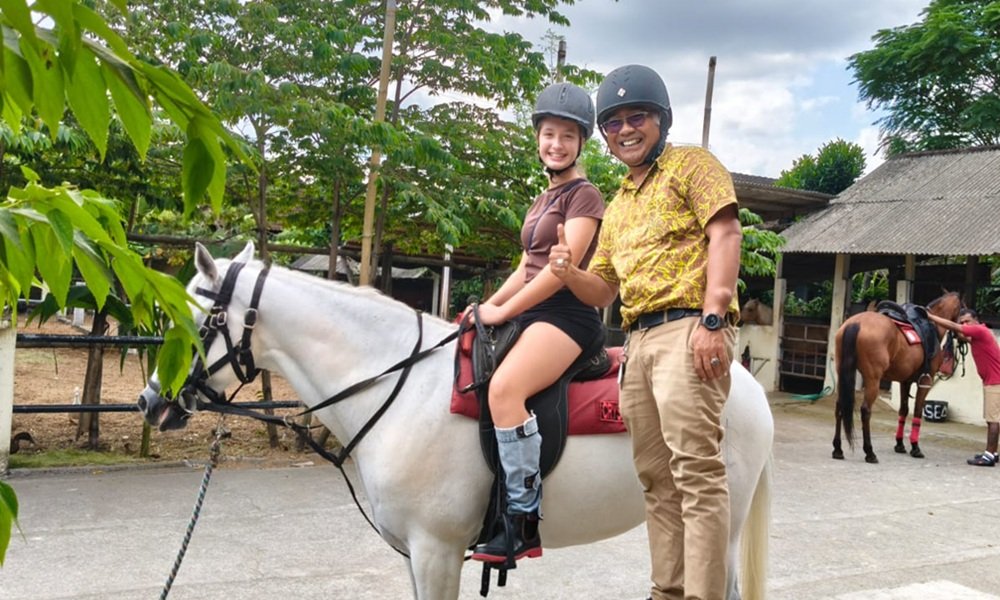
Bali Horse Riding Safety Guide
A memorable horseback adventure begins with more than choosing the perfect trail—it starts with understanding how to ride safely. This Bali Horse Riding Safety Guide is designed to help first-time visitors and experienced riders enjoy a secure, comfortable, and unforgettable experience while exploring Bali’s beaches, rice terraces, villages, and countryside on horseback. Although horse riding in Bali is generally considered a safe activity when organized by reputable operators, knowing the basic safety principles allows you to ride with greater confidence and peace of mind.
Most horse riding tours in Bali cater to beginners, families, and recreational riders rather than professional equestrians. Horses are typically selected for their calm temperament, guides accompany guests throughout the journey, and essential safety equipment is provided before every ride. Even so, every horse is a living animal with its own instincts and personality. Understanding how to interact with your horse, follow your guide’s instructions, and prepare for the ride significantly reduces risk while making the experience more enjoyable.
Why a Bali Horse Riding Safety Guide Is Important
Horseback riding combines land adventures recreation, nature, and interaction with animals. While it is generally a low-risk outdoor activity, following proper safety practices helps prevent avoidable accidents and creates a better experience for everyone in the group.
Good safety habits help you:
- Ride with greater confidence
- Maintain better balance
- Communicate effectively with your horse
- Respond calmly to unexpected situations
- Reduce the chance of falls or minor injuries
- Enjoy the scenery without unnecessary worry
Most incidents occur because riders ignore instructions or underestimate the importance of simple safety rules. A little preparation goes a long way toward ensuring a smooth ride.
Choose a Reputable Horse Riding Operator
One of the most important safety decisions happens before you even arrive at the stable.
Professional horse riding operators prioritize both rider safety and horse welfare. They maintain healthy horses, provide trained guides, and inspect equipment regularly.
When selecting a riding center, look for operators that offer:
- Experienced riding guides
- Well-maintained horses
- Properly fitted helmets
- Clean saddles and tack
- Safety briefing before departure
- Horses matched to rider experience
- Small or well-managed riding groups
Reading recent customer reviews can also provide valuable insight into how seriously an operator approaches safety.
Listen Carefully During the Safety Briefing
Many visitors become excited to begin riding and pay only partial attention during the introduction.
However, the briefing contains important information that will help you stay safe throughout the ride.
Typical instructions include:
- How to mount correctly
- Proper sitting posture
- Holding the reins comfortably
- Basic steering techniques
- How to stop the horse
- Maintaining a safe distance from other horses
- What to do if the horse becomes distracted
Even riders with previous experience should listen carefully because procedures may vary depending on the horses and riding route.
Always Wear the Provided Riding Helmet
A riding helmet is the single most important piece of safety equipment.
Professional operators supply helmets that are specifically designed for horseback riding.
Before starting the tour:
- Check that the helmet fits securely.
- Fasten the chin strap correctly.
- Make sure it does not move excessively.
- Ask for another size if necessary.
Never remove your helmet while riding, even if the weather feels warm.
A properly fitted helmet greatly reduces the risk of head injury in the unlikely event of a fall.
Dress for Comfort and Protection
The clothing you wear affects both comfort and safety.
Loose or inappropriate clothing can interfere with movement, while suitable attire allows you to ride naturally.
Recommended clothing includes:
- Breathable shirt
- Long comfortable pants
- Closed-toe athletic shoes
- Sunglasses before and after riding
- Sunscreen
Avoid wearing:
- Flip-flops
- High heels
- Loose scarves
- Long flowing dresses
- Heavy backpacks
- Jewelry that could catch on equipment
Practical clothing allows you to concentrate on riding rather than adjusting uncomfortable outfits.
Meet Your Horse Before the Ride
Every horse has a unique personality.
Some are energetic, while others are exceptionally calm and patient with beginners.
Before mounting, spend a few moments becoming familiar with your horse.
You can:
- Introduce yourself calmly.
- Allow the horse to see and smell you.
- Speak in a gentle voice.
- Avoid sudden movements.
- Let the guide explain your horse’s temperament.
This short introduction helps both rider and horse become more comfortable with each other.
Mount and Dismount Carefully
Many beginners assume the ride begins only after the horse starts walking.
In reality, mounting and dismounting are moments when balance is especially important.
Always:
- Follow your guide’s instructions.
- Use the mounting block if available.
- Hold the saddle as directed.
- Place your foot carefully in the stirrup.
- Sit gently instead of jumping into the saddle.
When the ride ends, wait until your guide confirms it is safe to dismount.
Avoid rushing, even if you’re excited to take photographs afterward.
Maintain Proper Riding Posture
Good posture improves both comfort and stability throughout the ride.
A balanced position also helps your horse move naturally.
Keep these simple guidelines in mind:
- Sit upright without becoming stiff.
- Relax your shoulders.
- Look ahead rather than down.
- Keep both feet securely in the stirrups.
- Hold the reins gently instead of pulling continuously.
Maintaining relaxed posture reduces unnecessary tension for both you and the horse.
Respect the Horse’s Natural Behavior
Even the calmest horse remains an animal with natural instincts.
Unexpected sounds, wildlife, motorcycles, or unfamiliar objects may briefly attract the horse’s attention.
If your horse reacts:
- Stay calm.
- Avoid shouting.
- Keep both hands on the reins.
- Follow your guide’s instructions.
- Allow the horse a moment to settle.
Remaining relaxed helps your horse regain confidence more quickly than sudden or panicked movements.
Keep a Safe Distance from Other Horses
Horseback riding is usually done in small groups, and each horse needs enough personal space to move comfortably. Riding too closely behind another horse may cause unnecessary stress for the animals and reduce your reaction time if the group stops suddenly.
As a general rule:
- Leave several feet (or about one horse length) between horses.
- Avoid overtaking unless instructed by your guide.
- Maintain a steady pace with the group.
- Slow down gradually if the horse in front pauses.
Keeping an appropriate distance makes the ride smoother and safer for everyone.
Follow Your Guide at All Times
Professional guides know the horses, the trails, and the local conditions better than anyone else. Their instructions are based on years of experience and are intended to keep both riders and horses safe.
During the ride, your guide may advise you to:
- Adjust your speed.
- Change your riding position.
- Navigate uneven terrain carefully.
- Stay on designated paths.
- Pause while another group passes.
- Prepare for gentle uphill or downhill sections.
Following these instructions not only improves safety but also helps the entire group ride comfortably together.
How to Handle Uneven Terrain
Many horseback riding routes in Bali pass through natural environments rather than perfectly flat paths. Depending on the location, you may encounter sandy beaches, dirt tracks, grassy fields, shallow streams, or gentle slopes.
When riding over uneven ground:
- Stay relaxed in the saddle.
- Allow the horse to choose its footing.
- Avoid sudden movements.
- Keep your weight centered.
- Hold the reins with light, steady contact.
Experienced horses are remarkably skilled at navigating natural terrain, so trusting your horse while maintaining good posture is often the best approach.
Stay Calm if Your Horse Changes Pace
Occasionally, a horse may speed up slightly or become more alert after hearing a sound or seeing another animal. This is normal behavior and rarely indicates a dangerous situation.
If this happens:
- Remain seated upright.
- Avoid pulling sharply on the reins.
- Listen to your guide.
- Speak calmly if instructed.
- Keep your heels down for better balance.
Your calm reaction will often encourage the horse to settle more quickly.
Safety Tips for Beach Horse Riding
Beach riding offers spectacular scenery, but it also presents unique conditions that differ from inland trails.
Pay attention to:
- Wet sand that may feel softer under the horse.
- Small waves near the shoreline.
- Other beach visitors.
- Dogs or wildlife crossing the route.
- Changing tides if riding close to the water.
Your guide will select a suitable route based on the day’s conditions, so avoid wandering away from the designated riding path.
Riding Safely with Children
Horse riding is a wonderful family activity when children follow simple safety rules.
Parents should ensure that children:
- Wear a properly fitted helmet.
- Listen carefully to the guide.
- Keep both hands on the reins unless instructed otherwise.
- Stay seated throughout the ride.
- Avoid sudden movements or loud noises around the horses.
Many riding centers assign particularly calm horses to younger riders and may have guides walking beside them for additional support.
Weather Awareness Matters
Bali’s tropical weather can change quickly, especially during the rainy season.
Professional operators continuously monitor weather conditions and may adjust departure times or riding routes if necessary.
Possible weather considerations include:
- Strong afternoon heat
- Sudden rain showers
- Slippery ground
- Gusty coastal winds
- Reduced visibility during heavy rain
If weather conditions become unsafe, reputable operators will prioritize rider safety over maintaining the original schedule.
Stay Hydrated Throughout the Experience
Although many horse riding tours last only one to two hours, Bali’s warm climate can still lead to dehydration.
Before your ride:
- Drink plenty of water.
- Avoid excessive alcohol beforehand.
- Eat a light meal if appropriate.
- Bring a refillable water bottle for afterward.
Remaining hydrated improves concentration and reduces fatigue during outdoor activities.
Respect the Horses
Horse welfare is an essential part of riding safety. A calm, healthy horse is more likely to provide a comfortable and enjoyable experience.
Show respect by:
- Speaking softly.
- Avoiding sudden gestures.
- Never hitting or kicking the horse.
- Following your guide’s instructions when interacting with the animal.
- Thanking the horse with gentle pats only if your guide confirms it’s appropriate.
Treating horses kindly creates a positive experience for both rider and animal.
Emergency Procedures
Serious incidents during organized horse riding tours in Bali are uncommon, but professional operators are prepared for unexpected situations.
Guides are typically trained to:
- Assist riders safely.
- Calm nervous horses.
- Respond to minor injuries.
- Contact emergency services if necessary.
- Adjust the tour when conditions change.
If you ever feel uncomfortable during the ride, inform your guide immediately. There is no need to continue beyond your comfort level, and guides are there to help ensure everyone enjoys the experience safely.
Simple Habits That Make a Big Difference
Many of the best safety practices are also the simplest.
Remember to:
- Arrive a little early.
- Listen carefully during the briefing.
- Wear your helmet correctly.
- Dress appropriately.
- Stay relaxed in the saddle.
- Keep a safe distance from other horses.
- Follow your guide’s directions.
- Respect both the horses and the surrounding environment.
These straightforward habits significantly reduce risk while allowing you to focus on Bali’s beautiful scenery, the rhythm of the ride, and the unforgettable experience of exploring the island on horseback.
Ultimately, horse riding safety isn’t about worrying that something might go wrong—it’s about being well prepared so you can enjoy every moment with confidence. With experienced guides, well-trained horses, and responsible riding practices, horseback adventures in Bali remain one of the island’s most enjoyable outdoor activities for riders of all experience levels.
Following a Bali Horse Riding Safety Guide is the best way to ensure your horseback adventure is enjoyable, comfortable, and worry-free. While horse riding in Bali is suitable for beginners and families, taking a few simple precautions—such as wearing the correct safety equipment, listening to your guide, and respecting your horse—can greatly enhance the overall experience. These small habits help build confidence and allow you to focus on the incredible scenery rather than potential risks.
Whether you’re exploring black sand beaches, peaceful rice fields, tropical forests, or traditional Balinese villages, riding safely enables you to fully appreciate the island’s natural beauty. Reputable horse riding operators prioritize both rider safety and horse welfare by providing experienced guides, well-trained horses, and properly maintained equipment. Choosing a trusted operator is just as important as preparing yourself before the ride.
Most importantly, remember that horseback riding is a partnership between you and your horse. Remaining calm, balanced, and attentive creates a smoother experience for both of you. With the right preparation and a positive attitude, you’ll leave Bali with unforgettable memories and a deeper appreciation for one of the island’s most rewarding outdoor activities.
Frequently Asked Questions
Is horse riding in Bali safe for beginners?
Yes. Most horse riding tours in Bali are specifically designed for beginners. Calm, well-trained horses and experienced guides make the activity accessible even for people with no previous riding experience.
Do I have to wear a helmet?
Yes. Reputable horse riding operators provide certified riding helmets, and wearing one throughout the ride is strongly recommended for your safety.
What should I do if my horse becomes nervous?
Stay calm, avoid sudden movements, and follow your guide’s instructions. Horses often respond positively when riders remain relaxed and maintain gentle control of the reins.
Can children safely join horse riding tours?
Yes. Many operators welcome children and provide suitable horses based on age and experience. Younger riders are often accompanied by guides who walk alongside the horse when necessary.
Is horseback riding safe during the rainy season?
Yes, provided weather conditions remain suitable. Professional operators monitor the forecast and may adjust routes or schedules if heavy rain affects riding safety.
How can I make my ride safer?
Listen carefully during the safety briefing, wear appropriate clothing, keep a safe distance from other horses, stay relaxed, and always follow your guide’s instructions.
Summary
Understanding a Bali Horse Riding Safety Guide helps you enjoy every moment of your horseback adventure with greater confidence and peace of mind. By choosing a reputable operator, wearing the right equipment, and following essential riding practices, you’ll be well prepared for a safe and memorable experience. Before your adventure begins, don’t forget to read What to Wear for Horse Riding in Bali to choose comfortable clothing and footwear that will enhance both your safety and overall riding experience.