

Is Bali Canyoning Safe?
For many travelers, the first question that comes to mind before booking a canyoning adventure is, Is Bali Canyoning Safe? The good news is that canyoning in Bali is considered a safe outdoor activity when it is organized by licensed operators that follow international safety standards. Professional guides, certified equipment, carefully planned routes, and thorough safety briefings all work together to minimize risks while allowing participants to enjoy Bali’s spectacular waterfalls and hidden canyons. Whether you are a first-time adventurer or someone with previous outdoor experience, understanding how safety is managed will help you feel more confident before stepping into the canyon.
Like any land adventures sport, canyoning involves natural environments that require respect, preparation, and professional supervision. Rather than eliminating every possible risk, reputable operators focus on managing those risks through proper training, modern equipment, weather monitoring, and experienced guides. This combination has made Bali one of the most respected canyoning destinations in Southeast Asia.
Is Bali Canyoning Safe? Understanding the Safety System
To answer Is Bali Canyoning Safe?, it’s important to understand that safety begins long before participants enter the canyon. Professional operators spend considerable time planning every trip, inspecting equipment, reviewing weather forecasts, and evaluating river conditions.
Each tour typically follows a structured safety process that includes:
- Registration and health screening
- Equipment inspection
- Safety briefing
- Route assessment
- Guide assignments
- Continuous monitoring throughout the adventure
Every stage is designed to reduce unnecessary risks while ensuring participants enjoy an exciting but controlled experience.
Certified Guides Make the Biggest Difference
One of the most important factors affecting safety is the quality of the guides leading the tour.
Professional canyoning guides are trained in:
- Rope rescue techniques
- First aid and emergency response
- Water safety
- Technical rappelling systems
- Weather assessment
- River hazard identification
- Group management
- Communication procedures
Many guides also complete ongoing training to maintain their skills and stay current with international canyoning practices.
Their experience allows them to adapt quickly if conditions change during the trip.
Professional Equipment Keeps Participants Protected
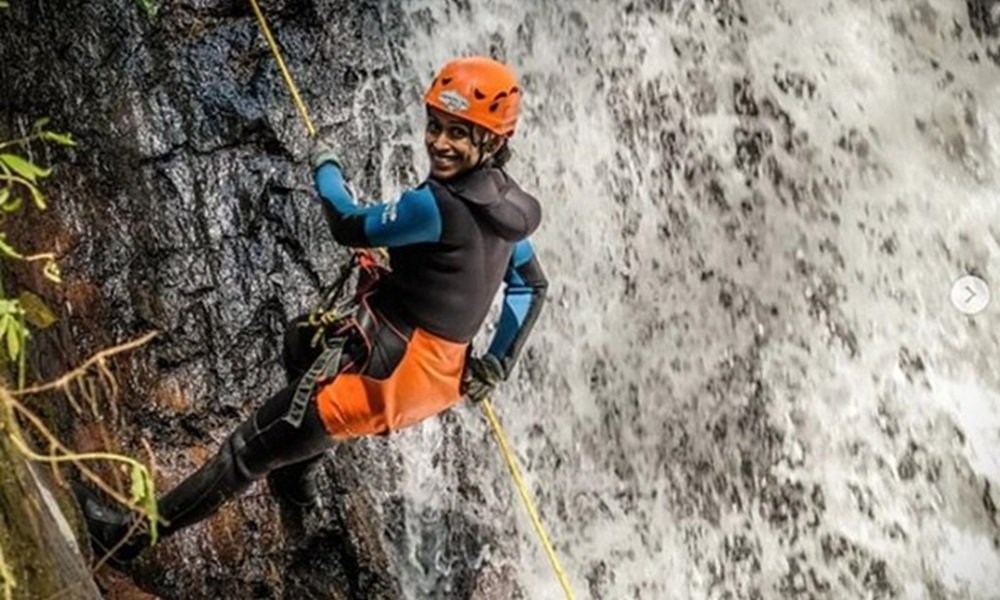
Modern Bali canyoning adventure equipment is specifically designed for challenging environments involving water, rocks, and vertical descents.
Participants are provided with equipment such as:
- Certified climbing helmet
- Professional harness
- Descender device
- Locking carabiners
- Full wetsuit
- Protective gloves
- Specialized canyoning shoes
- Safety ropes
Before every tour, guides inspect all equipment for wear, damage, and proper function.
Using professionally maintained gear significantly improves participant safety and confidence.
Safety Briefings Before Every Adventure
No matter how experienced participants may be, every canyoning trip begins with a comprehensive safety briefing.
During this session, guides explain:
- Correct harness adjustment
- Helmet fitting
- Rope handling basics
- Walking on wet rocks
- Safe body position while rappelling
- Swimming techniques
- Group communication signals
- Emergency procedures
This briefing ensures everyone understands how the equipment works and what to expect throughout the adventure.
Questions are always encouraged before entering the canyon.
Route Selection Based on Experience
One reason Bali canyoning maintains an excellent safety record is that operators carefully match participants with suitable routes.
Beginner canyons generally include:
- Lower waterfall descents
- Gentle water flow
- Wider canyon passages
- Shorter rappels
- Easier hiking sections
Intermediate routes introduce:
- Taller waterfalls
- Longer rope descents
- Narrower canyon corridors
- More technical movement
Advanced canyons involve:
- Complex rappelling systems
- Continuous waterfalls
- Challenging navigation
- Stronger river currents
Choosing an appropriate route greatly improves both safety and enjoyment.
Weather Monitoring Is Essential
Nature constantly changes, especially in tropical mountain environments.
Professional operators carefully monitor:
- Rainfall forecasts
- River water levels
- Stream velocity
- Cloud movement
- Thunderstorm activity
- Visibility
If conditions become unsafe, tours may be delayed, rerouted, or canceled altogether.
Although cancellations can disappoint travelers, they demonstrate that responsible operators always prioritize safety over maintaining schedules.
Common Safety Procedures During the Tour
Once inside the canyon, guides continue implementing safety measures throughout the journey.
Examples include:
- Inspecting every rappel anchor
- Securing ropes before each descent
- Demonstrating techniques first
- Assisting participants individually
- Maintaining communication between guides
- Monitoring participant fatigue
- Adjusting the pace when necessary
Participants are never expected to navigate technical obstacles without supervision.
Understanding the Real Risks
Although canyoning is professionally managed, it is still an outdoor Bali adventure activity.
Some potential risks include:
- Slippery rocks
- Fast-moving water
- Uneven terrain
- Minor scrapes or bruises
- Physical fatigue
- Weather changes
These risks are significantly reduced through proper instruction, high-quality equipment, and experienced guides.
Understanding that some level of risk exists helps participants make informed decisions while appreciating the importance of following every safety instruction.
Who Should Avoid Canyoning?
While many healthy adults can safely participate, canyoning may not be suitable for everyone.
Individuals should consult both their doctor and the tour operator if they have:
- Serious heart conditions
- Recent surgeries
- Significant mobility limitations
- Severe fear of heights
- Medical conditions affecting balance
- Pregnancy
- Uncontrolled epilepsy
Being honest about your health allows guides to recommend the safest option or suggest a more suitable activity if necessary.
Why Listening to Your Guide Matters
The safest participants are often those who simply follow instructions carefully.
Guides understand every section of the canyon, including:
- Safe walking paths
- Water depth
- Jumping locations
- Rope systems
- Potential hazards
- Emergency exit points
Trusting their expertise allows the group to move efficiently while minimizing unnecessary risks.
Emergency Preparedness in the Canyon
Even though serious incidents are rare, professional canyoning operators prepare for unexpected situations before every tour begins.
Experienced guides carry emergency equipment that may include:
- First aid kits
- Throw ropes
- Rescue hardware
- Waterproof communication devices
- Emergency blankets
- Navigation equipment
Guides are also trained to respond quickly if a participant becomes tired, anxious, or experiences minor injuries. Every route includes planned exit points that allow groups to leave the canyon safely if conditions change unexpectedly.
This level of preparation is one of the strongest reasons why organized canyoning trips maintain excellent safety standards.
How Weather Affects Safety
Weather plays a significant role in determining whether a canyoning trip can proceed safely.
Heavy rainfall in Bali’s mountains may cause:
- Rising river levels
- Stronger currents
- Reduced underwater visibility
- Faster waterfall flow
- Slipperier rocks
Because of these changing conditions, professional operators monitor weather forecasts continuously before and during each tour.
If there is any doubt about safety, the trip may be postponed or canceled. While this can disrupt travel plans, it demonstrates a commitment to protecting every participant.
Why Independent Canyoning Is Not Recommended
Some experienced hikers mistakenly assume they can explore Bali’s canyons without a guide.
In reality, canyoning requires technical knowledge that goes far beyond ordinary trekking.
Professional guides understand:
- Rope anchor systems
- Water hazards
- Hidden currents
- Safe rappelling techniques
- Emergency rescue procedures
- Seasonal canyon changes
Without this expertise, even experienced outdoor enthusiasts can encounter dangerous situations.
Joining a licensed tour is the safest and most responsible way to enjoy Bali’s canyons.
Are Waterfall Jumps Mandatory?
Many first-time visitors worry that canyoning requires jumping from high cliffs.
Fortunately, that is rarely the case.
On beginner-friendly routes:
- Many jumps are optional.
- Alternative paths are often available.
- Guides explain every obstacle beforehand.
- Participants are never pressured to attempt a challenge they are uncomfortable with.
This flexible approach allows everyone to enjoy the adventure according to their own comfort level while maintaining group safety.
Safety for Children and Families
Parents often ask whether canyoning is appropriate for younger participants.
The answer depends on several factors, including:
- Minimum age requirements
- Height and weight restrictions
- Swimming ability
- Physical fitness
- Emotional confidence
Many beginner routes welcome older children and teenagers when accompanied by parents or guardians.
Professional guides adapt their instructions for younger participants, ensuring they understand each activity before proceeding.
Families should always choose routes specifically designed for beginners rather than more technical canyons.
Communication Throughout the Adventure
Clear communication is essential inside narrow canyons where waterfalls can make verbal instructions difficult to hear.
Guides commonly use:
- Hand signals
- Whistle signals
- Visual demonstrations
- Direct verbal communication
- Positioning at key obstacles
Before each rappel or technical section, guides verify that every participant understands the next step.
This organized communication system helps groups move efficiently and safely through the canyon.
Common Safety Myths
Several misconceptions discourage people from trying canyoning.
Myth 1: Canyoning Is Only for Extreme Athletes
In reality, many canyon routes are designed specifically for beginners with no previous experience.
Myth 2: Everyone Must Descend Huge Waterfalls
Beginner routes usually feature smaller waterfalls that allow participants to build confidence gradually.
Myth 3: You Need Rock Climbing Skills
Professional guides manage all technical rope systems and teach simple techniques that are easy to learn.
Myth 4: The Equipment Is Difficult to Use
Modern canyoning equipment is designed to be reliable and user-friendly. Guides ensure that every participant knows how each piece of equipment works before entering the canyon.
Choosing a Safe Canyoning Operator
Not all adventure companies provide the same level of service.
When selecting a canyoning provider, consider whether they offer:
- Certified and experienced guides
- High-quality safety equipment
- Comprehensive safety briefings
- Insurance coverage
- Small group sizes
- Positive customer reviews
- Well-maintained equipment
- Clear emergency procedures
Choosing a reputable operator is one of the most important decisions you can make before booking your adventure.
Personal Responsibility During the Tour
Safety is a shared responsibility between guides and participants.
You can contribute by:
- Following instructions carefully
- Wearing equipment correctly
- Staying with the group
- Informing guides about medical conditions
- Drinking enough water
- Avoiding unnecessary risks
- Respecting the natural environment
These simple actions help create a safe and enjoyable experience for everyone.
Building Confidence Step by Step
Many participants begin the day asking, “Is this really something I can do?”
Professional guides understand these concerns and introduce each challenge gradually.
Typically, the adventure starts with:
- Easy walking sections
- Simple stream crossings
- Short practice descents
- Small natural slides
As confidence grows, participants tackle larger waterfalls and more exciting obstacles.
By progressing step by step, beginners often accomplish far more than they expected while feeling secure throughout the journey.
Does Age Affect Safety?
Age alone does not determine whether someone can enjoy canyoning safely. What matters more is overall health, mobility, confidence in the water, and the ability to follow instructions.
Many operators welcome participants from around 10 to 12 years old on beginner-friendly routes, while active adults well into their senior years also join tours successfully. Before confirming a booking, guides typically ask about medical conditions, previous injuries, and swimming ability to recommend the most appropriate canyon.
By matching participants with the right route, operators create an enjoyable experience while maintaining high safety standards.
Tips for Staying Safe During Your Adventure
Although your guides handle the technical aspects of canyoning, there are several simple things you can do to improve your own safety.
Keep these practical tips in mind:
- Wear all safety equipment exactly as instructed.
- Walk carefully on wet rocks instead of rushing.
- Stay hydrated throughout the day.
- Listen carefully before every rappel.
- Inform your guide immediately if you feel tired or uncomfortable.
- Avoid attempting stunts or unnecessary risks.
- Respect the pace of the group.
- Keep both hands free when moving through technical sections.
These habits allow everyone to enjoy the adventure with greater confidence and fewer distractions.
The Importance of Teamwork
Unlike some outdoor activities, canyoning is rarely an individual sport. Every participant contributes to the group’s overall safety by communicating clearly, encouraging one another, and following instructions together.
Guides coordinate the team throughout the canyon by ensuring each person completes an obstacle before the next participant begins. This organized system reduces congestion at waterfalls and keeps every section flowing smoothly.
Many first-time visitors are surprised by how supportive the atmosphere becomes during the trip. Working together often transforms strangers into teammates by the end of the adventure.
Why Safety Makes the Experience More Enjoyable
Some travelers worry that strict safety procedures will reduce the excitement of canyoning. In reality, the opposite is often true.
Knowing that trained professionals have prepared the route, inspected the equipment, and monitored the weather allows participants to focus on what really matters—enjoying the spectacular scenery and unforgettable adventure.
Instead of worrying about technical details, you’ll be free to admire towering waterfalls, swim through crystal-clear pools, and descend volcanic cliffs with confidence.
A well-managed tour creates the perfect balance between excitement and security, making the entire experience more rewarding.
Frequently Asked Questions
Is canyoning more dangerous than rafting?
Both activities involve natural rivers, but they are very different experiences. Canyoning includes rappelling, hiking, swimming, and navigating waterfalls, while rafting focuses on paddling through rapids. When operated by licensed professionals using proper safety procedures, both are considered safe adventure activities.
Can beginners safely join canyoning?
Yes. Beginner routes are specifically designed for people with little or no previous experience. Professional guides provide all necessary instruction before each obstacle.
What happens if I cannot complete a waterfall descent?
Guides closely monitor every participant throughout the tour. Depending on the canyon, they may provide additional assistance or use an alternative route when available.
Is specialized insurance included?
Many professional canyoning operators include basic insurance within their tour packages. It’s always a good idea to confirm the coverage details before making your reservation.
Are accidents common?
Minor bumps or scrapes can occasionally happen in any outdoor activity, but serious accidents are uncommon when participants join licensed operators, wear appropriate equipment, and follow guide instructions.
So, Is Bali Canyoning Safe? The answer is yes—provided you choose a reputable operator, use certified equipment, and carefully follow the guidance of experienced professionals. Safety is not left to chance. It is built into every stage of the experience, from route planning and weather assessments to equipment inspections and detailed briefings before entering the canyon.
For beginners, the combination of expert supervision and carefully selected routes makes canyoning much more approachable than many people imagine. Every challenge is introduced gradually, allowing participants to build confidence while exploring Bali’s spectacular waterfalls, lush rainforests, and hidden river gorges.
Adventure always involves a degree of uncertainty, but professional canyoning companies work tirelessly to manage those risks through preparation, training, and established safety procedures. As a result, visitors can focus on the excitement of discovering one of Bali’s most extraordinary natural environments.
If you’re looking for an outdoor activity that combines adventure, breathtaking scenery, and a strong commitment to safety, canyoning deserves a place on your Bali itinerary. With the right preparation and the right guides, it can easily become one of the most memorable experiences of your trip.
If this is your first canyon adventure, start by reading Bali Canyoning for Beginners to learn how to prepare and what to expect before your trip