

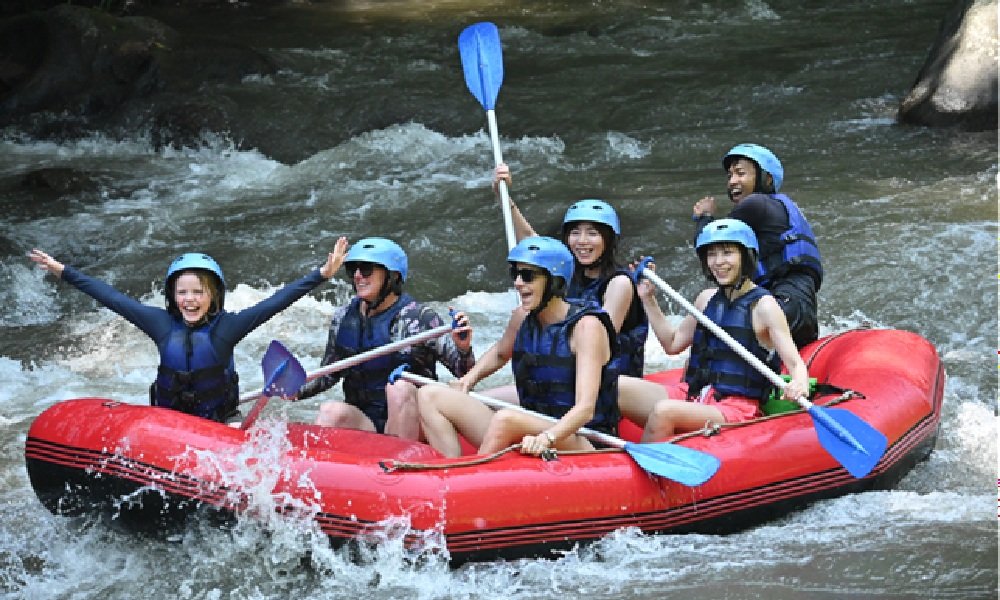
What to Wear for a Bali Rafting Tour
Planning your rafting adventure is exciting, but choosing the right clothing can make a significant difference in your overall experience. If you’re wondering What to Wear for a Bali Rafting Tour, the answer is simple: wear lightweight, quick-drying clothing that allows you to move comfortably while staying safe on the river. Bali’s white water rafting routes, including the famous Ayung River and Telaga Waja River, combine exciting rapids with tropical weather, refreshing river water, and occasional hiking sections. Dressing appropriately helps you stay comfortable before, during, and after the water adventures while allowing you to fully enjoy Bali’s breathtaking natural scenery.
Unlike a day at the beach or a casual jungle walk, rafting involves constant splashing, paddling, climbing in and out of the raft, and sometimes walking on wet rocks. Wearing the right outfit not only improves comfort but also helps prevent unnecessary distractions throughout the trip.
What to Wear for a Bali Rafting Tour: Essential Clothing Guide
Knowing What to Wear for a Bali Rafting Tour begins with understanding the conditions you’ll encounter. You’ll likely spend two to three hours on the river, where your clothing will become wet almost immediately. For that reason, breathable, lightweight, and fast-drying materials are always the best choice.
The ideal rafting outfit should:
- Dry quickly after getting wet
- Allow unrestricted movement
- Feel comfortable under a life jacket
- Protect your skin from sunlight
- Remain lightweight throughout the trip
Avoid heavy fabrics that absorb water and become uncomfortable after prolonged exposure.
Choose Quick-Drying Clothing
Performance fabrics are far better than everyday cotton clothing for rafting adventures.
Good options include:
- Polyester athletic shirts
- Nylon sportswear
- Moisture-wicking fabrics
- Rash guards
- Lightweight athletic shorts
These materials remain comfortable even after repeated splashes and dry much faster once the tour ends.
Cotton, on the other hand, absorbs water, becomes heavy, and may cause chafing during long periods of paddling.
Short Sleeves or Long Sleeves?
Many first-time visitors ask whether they should wear short sleeves or long sleeves.
Both options work well, depending on personal preference.
Short-Sleeve Shirts
Advantages include:
- Better ventilation
- Cooler in warm weather
- Greater freedom of movement
- Comfortable under life jackets
Long-Sleeve Rash Guards
Benefits include:
- Better sun protection
- Reduced skin irritation
- Additional protection against minor scrapes
- Quick-drying materials
Long-sleeve rash guards are especially popular among travelers with sensitive skin or those planning to spend the rest of the day outdoors.
Selecting the Right Shorts
Comfortable shorts are one of the most important parts of Bali rafting tour outfit.
Choose shorts that are:
- Lightweight
- Flexible
- Quick drying
- Comfortable while sitting
- Easy to move in
Board shorts and athletic shorts are excellent choices because they remain comfortable even after hours on the river.
Avoid denim shorts or thick cotton materials, which become heavy when soaked.
Should You Wear Swimwear?
Many experienced rafters wear swimwear underneath their clothing.
This provides several advantages:
- Greater comfort
- Faster changing afterward
- Quicker drying
- Less bulk beneath your clothing
If your rafting operator provides showers and changing facilities, wearing swimwear underneath makes transitioning into dry clothes much easier after the tour.
The Importance of Proper Footwear
Your feet need reliable traction throughout the adventure.
Depending on the rafting operator, suitable footwear may include:
- River sandals with heel straps
- Water shoes
- Lightweight sports shoes
- Closed-toe outdoor sandals
Shoes should remain securely attached to your feet while walking across wet rocks and entering or exiting the raft.
Flip-flops are generally not recommended because they can easily slip off in moving water.
Don’t Forget Your Change of Clothes
Although you’ll spend most of the rafting trip getting wet, you’ll appreciate having dry clothing waiting afterward.
Pack a complete change of clothes, including:
- Dry shirt
- Shorts or pants
- Underwear
- Socks
- Comfortable shoes
Changing into dry clothing after rafting helps you stay comfortable during your journey back to the hotel or while continuing your Bali itinerary.
Is a Hat Necessary?
Most participants remove hats before entering the raft because helmets are often provided.
However, a lightweight hat is useful:
- Before the tour begins
- During registration
- While waiting for transportation
- After the rafting trip
Wide-brim hats and baseball caps both provide additional protection from Bali’s tropical sun.
Remember to remove your hat before wearing your helmet unless your guide specifically approves otherwise.
Sunglasses: Yes or No?
Sunglasses can be useful before and after rafting but require extra caution on the river.
If you choose to wear them:
- Use a secure floating strap.
- Choose lightweight frames.
- Ensure they fit comfortably beneath your helmet if permitted.
Many visitors prefer leaving sunglasses in a locker during the rafting portion to avoid losing them in the rapids.
What About Jewelry?
It’s generally best to leave valuable jewelry at your hotel or in a secure locker.
Avoid wearing:
- Necklaces
- Bracelets
- Expensive watches
- Dangling earrings
- Loose rings
Removing jewelry reduces the risk of losing valuable items while paddling or walking through rocky river sections.
Dressing for Bali’s Weather
Bali’s tropical climate remains warm throughout the year, but rafting conditions can vary depending on location and season.
Morning departures are often cooler, particularly near mountain-fed rivers such as Telaga Waja.
As the day progresses, temperatures become warmer, making lightweight clothing the most comfortable choice.
Because you’ll be wet for much of the trip, avoiding heavy clothing helps maintain comfort from start to finish.
Why Comfort Is More Important Than Style
Some travelers spend time choosing outfits that look great in photographs. While there’s nothing wrong with looking good, practicality should always come first.
Comfortable clothing allows you to:
- Paddle more efficiently
- Climb in and out of the raft safely
- Walk confidently on uneven terrain
- Enjoy the scenery without distractions
- Focus on the adventure rather than uncomfortable clothing
The best rafting outfit is one you barely notice while exploring Bali’s spectacular rivers.
Choosing the Best Footwear
Footwear is one of the most important parts of your rafting outfit. While you’ll spend most of the adventure inside the raft, you’ll also walk along riverbanks, climb steps, and occasionally step onto slippery rocks.
The best footwear options include:
- Water shoes with excellent grip
- Closed-toe sports sandals with heel straps
- Lightweight trail shoes that can get wet
- River sandals designed for outdoor activities
Good traction helps reduce the risk of slipping before and after entering the raft.
Footwear You Should Avoid
Not every type of shoe is suitable for rafting.
Avoid wearing:
- Flip-flops
- High heels
- Leather shoes
- Heavy hiking boots
- Slippers
- Bare feet
Flip-flops are especially problematic because strong currents can easily wash them away.
Should You Wear Gloves?
For most rafting tours in Bali, gloves are not necessary.
The paddle is lightweight, and professional guides teach proper paddling techniques that minimize hand fatigue.
However, some travelers prefer lightweight sports gloves if they:
- Have sensitive skin
- Want additional grip
- Are prone to blisters
If you choose gloves, make sure they are made from quick-drying material and fit comfortably.
Waterproof Sun Protection
Even though much of the rafting route passes beneath trees and jungle canopies, sunlight can still be intense during certain sections.
Apply waterproof sunscreen approximately 20 to 30 minutes before the tour begins.
Don’t forget areas such as:
- Face
- Neck
- Ears
- Arms
- Legs
- Back of the hands
Using reef-friendly sunscreen is also a responsible choice for protecting Bali’s rivers and surrounding ecosystems.
Hair Tips for Long Hair
Long hair can become uncomfortable during rafting if it isn’t secured properly.
The best options include:
- Ponytail
- Braid
- Low bun
- Hair secured with soft elastic bands
Avoid loose hairstyles that may obstruct your vision while paddling or walking.
Can You Bring a Waterproof Jacket?
Most rafting tours don’t require a rain jacket because getting wet is part of the experience.
However, a lightweight waterproof jacket can be useful:
- During hotel transfers
- While waiting at the rafting base
- On rainy days before entering the river
Once the adventure begins, you’ll likely remove it before getting into the raft.
Dressing During the Dry Season
Bali’s dry season generally offers warm temperatures and pleasant rafting conditions.
Comfortable clothing includes:
- Lightweight athletic shirts
- Quick-dry shorts
- Breathable sportswear
- UV-protection rash guards
These fabrics help regulate body temperature while remaining comfortable throughout the adventure.
Dressing During the Rainy Season
Rafting continues during much of Bali’s rainy season, although river conditions are carefully monitored.
Extra items that may be useful include:
- Dry bag
- Extra towel
- Waterproof jacket for transportation
- Additional set of dry clothes
Rain itself usually isn’t a problem because participants become wet from the river almost immediately.
Accessories Worth Bringing
Although you should avoid carrying unnecessary items, a few practical accessories can improve your experience.
Useful accessories include:
- Waterproof phone pouch
- Floating sunglasses strap
- Small microfiber towel
- Hair ties
- Waterproof action camera
- Reusable water bottle
Keeping accessories simple helps you stay organized throughout the day.
What to Leave Behind
Packing too many valuables often creates unnecessary stress.
It’s usually best to leave behind:
- Expensive cameras
- Luxury watches
- Fine jewelry
- Large wallets
- Laptop computers
- Important documents not required for the tour
Most rafting operators provide lockers where participants can safely store personal belongings.
How Professional Safety Equipment Fits Over Your Clothing
Every participant receives professional safety equipment before entering the river.
This usually includes:
- Helmet
- Personal flotation device (life jacket)
- Paddle
Your clothing should fit comfortably beneath the life jacket without creating bulky folds or restricting movement.
Loose jackets or oversized hoodies may interfere with proper life jacket adjustment, making lightweight clothing the better choice.
Staying Comfortable After the Rafting Trip
Many visitors continue sightseeing immediately after rafting, making post-tour comfort just as important as what they wear on the river.
After changing into dry clothes, you’ll appreciate having:
- Comfortable walking shoes
- Clean shirt
- Lightweight shorts or pants
- Fresh towel
- Dry socks
Many rafting operators provide showers and changing facilities, making it easy to freshen up before heading to your next destination.
Common Clothing Mistakes First-Time Rafters Make
If it’s your first Bali rafting tour, avoid these common mistakes:
Wearing Cotton Clothing
Cotton absorbs water and stays wet for a long time, making it heavy and uncomfortable.
Choosing Loose Footwear
Shoes without secure straps can easily come off in moving water.
Forgetting Dry Clothes
Changing after rafting greatly improves comfort for the remainder of the day.
Wearing Valuable Accessories
Anything that can fall off or become damaged should remain safely stored.
Dressing Too Warmly
Heavy clothing becomes uncomfortable once wet. Lightweight, breathable fabrics perform much better in Bali’s tropical climate.
Why the Right Clothing Improves Your Experience
Wearing the appropriate outfit isn’t simply about appearance—it’s about allowing yourself to move naturally throughout the adventure.
When your clothing fits well and dries quickly, you’ll spend less time adjusting your outfit and more time enjoying Bali’s beautiful rivers, lush forests, exciting rapids, and unforgettable scenery.
A little preparation before your rafting tour goes a long way toward creating a more comfortable and enjoyable adventure.
Packing Checklist Before Leaving for Your Rafting Tour
Before you leave your hotel, take a few minutes to make sure you’ve packed everything you’ll need for a comfortable day on the river.
A simple checklist includes:
- Quick-drying shirt
- Athletic shorts or board shorts
- Swimwear
- Water shoes or secure sports sandals
- Dry change of clothes
- Towel
- Waterproof sunscreen
- Reusable water bottle
- Personal medication
- Waterproof phone pouch if needed
Keeping your packing list simple makes traveling to and from the rafting center much easier.
Frequently Asked Questions
Can I wear a swimsuit only?
Yes, but many visitors prefer wearing a lightweight athletic shirt or rash guard over their swimwear. This provides additional sun protection and reduces skin irritation from the life jacket.
Do rafting companies provide helmets and life jackets?
Yes. Professional rafting operators provide certified safety equipment, including helmets and personal flotation devices. These items are included in the tour and must be worn throughout the rafting experience.
Are jeans suitable for rafting?
No. Jeans absorb a large amount of water, become heavy, and restrict movement. Lightweight synthetic fabrics are a much better choice.
Should I bring a waterproof bag?
A small waterproof bag is useful for protecting essential items before and after rafting. However, unnecessary valuables are best left at your hotel or stored in lockers provided by the operator.
Can I wear flip-flops?
Flip-flops are not recommended because they can easily slip off in moving water. Closed-toe water shoes or sports sandals with secure heel straps provide much better stability.
What if it rains during the tour?
Rafting continues in light rain because you’ll already be wet from the river. Professional operators closely monitor weather conditions and will postpone or cancel trips only if heavy rainfall affects river safety.
Additional Tips for Maximum Comfort
Beyond choosing the right outfit, a few simple habits can make your rafting adventure even more enjoyable.
Consider the following recommendations:
- Arrive early to avoid feeling rushed.
- Drink plenty of water before the tour.
- Stretch your shoulders and arms before paddling.
- Listen carefully during the safety briefing.
- Follow your guide’s paddling instructions.
- Respect the natural environment by avoiding litter.
- Relax and enjoy the experience instead of worrying about getting wet.
Most first-time rafters quickly realize that getting soaked is part of the fun, and wearing the proper clothing allows them to fully embrace the adventure.
Why Proper Clothing Improves Safety
Appropriate clothing isn’t just about staying comfortable—it also contributes to overall safety.
Lightweight, flexible clothing allows participants to:
- Move freely inside the raft.
- Paddle more efficiently.
- Climb riverbanks with better balance.
- Exit the raft safely if instructed.
- Avoid overheating in Bali’s tropical climate.
Similarly, secure footwear helps maintain traction on wet surfaces, reducing the chance of slipping when entering or leaving the river.
Choosing practical clothing enables you to concentrate on your guide’s instructions and enjoy the journey with greater confidence.
Knowing What to Wear for a Bali Rafting Tour helps ensure that your adventure is both comfortable and enjoyable from beginning to end. The ideal outfit consists of lightweight, quick-drying clothing, secure footwear, and practical accessories that perform well in wet conditions. Avoiding heavy fabrics, loose footwear, and unnecessary valuables allows you to focus on paddling through Bali’s spectacular rivers instead of dealing with discomfort.
Whether you’re rafting through the lush rainforest of the Ayung River or tackling the longer and more exhilarating rapids of the Telaga Waja River, wearing the right clothing enhances every part of the experience. Comfortable attire allows you to move naturally, stay protected from the tropical sun, and transition easily into dry clothes after the adventure.
Before your tour, check the weather forecast, follow your operator’s recommendations, and prepare a simple packing list. With the right clothing and a positive attitude, you’ll be ready to enjoy one of Bali’s most memorable outdoor activities while creating unforgettable memories surrounded by breathtaking scenery.
Still deciding which river to explore? Read Ayung River vs Telaga Waja to compare Bali’s two most popular white water rafting destinations before booking your adventure.