

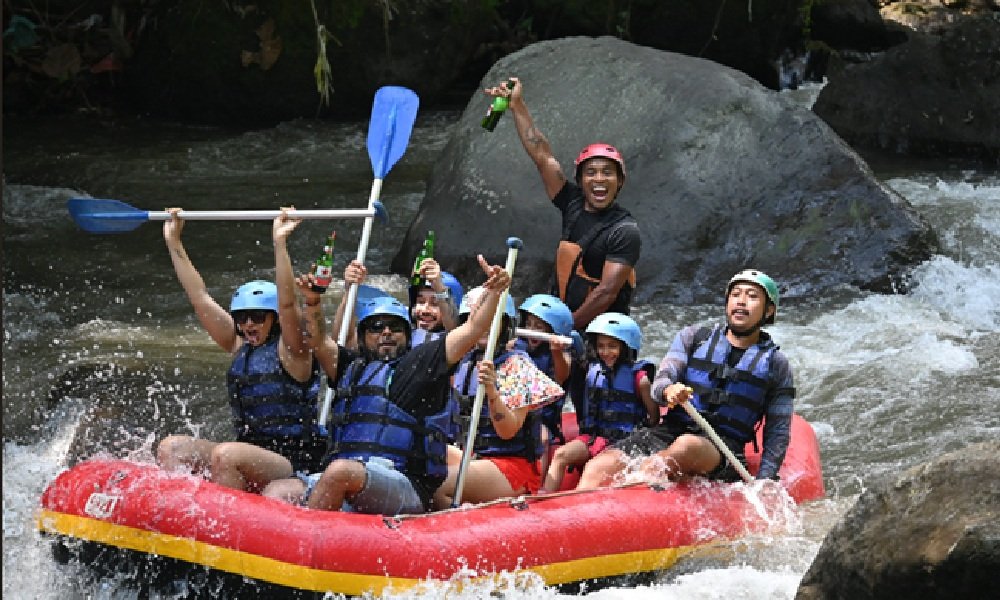
Is Bali Rafting Safe for Beginners?
If you’re planning your first white water adventure, one of the first questions you’ll probably ask is, Is Bali Rafting Safe for Beginners? The answer is yes. Bali rafting is considered a beginner-friendly activity when you choose a licensed rafting operator that follows proper safety procedures. Professional river guides, certified safety equipment, thorough briefings, and carefully selected rafting routes help ensure that first-time participants can enjoy an exciting experience with confidence. Whether you choose the scenic Ayung River or the more adventurous Telaga Waja River, beginner rafters can safely experience Bali’s spectacular rivers while learning basic paddling techniques under expert supervision.
Although rafting is water adventures sport, it doesn’t require previous experience. Every trip begins with detailed instructions from trained guides who teach participants how to paddle, sit correctly inside the raft, and respond to different river conditions. With teamwork and professional guidance, even complete beginners can enjoy one of Bali’s most popular outdoor activities.
Is Bali Rafting Safe for Beginners? Understanding the Safety Standards
To answer Is Bali Rafting Safe for Beginners?, it’s important to understand how professional rafting companies manage safety from the moment participants arrive until the adventure ends.
Every reputable operator follows a structured process that includes:
- Registration and health assessment
- Equipment fitting
- Comprehensive safety briefing
- Guide introductions
- Paddle practice
- River condition evaluation
- Continuous supervision throughout the trip
These procedures help create a controlled environment where beginners can focus on enjoying the river rather than worrying about technical details.
Professional Guides Lead Every Raft
One of the biggest reasons rafting in Bali is suitable for beginners is the presence of experienced river guides.
Professional rafting guides are trained in:
- River navigation
- Rescue techniques
- First aid
- Emergency response
- Group communication
- Reading river currents
- Hazard identification
- Weather assessment
Instead of allowing participants to navigate independently, guides control the raft, give paddling commands, and make important safety decisions throughout the journey.
Their experience allows beginners to relax while learning the basics of rafting.
Modern Safety Equipment Protects Every Participant
Before entering the river, every participant receives professionally maintained safety equipment.
This typically includes:
- Certified life jacket
- Protective helmet
- Paddle
- Safety briefing materials
The life jacket provides buoyancy in the unlikely event someone enters the water, while the helmet protects against accidental impacts with rocks or paddles.
Guides carefully check that all equipment fits properly before the Bali rafting tour begins.
Safety Briefings Are Mandatory
Even if you’ve gone rafting before, every professional operator provides a complete safety briefing before launching the raft.
Topics usually include:
- Proper paddling technique
- Correct seating position
- Holding the paddle safely
- Commands used by the guide
- What to do if you fall into the water
- How to help teammates
- Safe boarding procedures
These instructions ensure that everyone understands how to respond during different situations on the river.
Which River Is Better for Beginners?
Bali offers several rafting rivers, but two destinations stand out.
Ayung River
The Ayung River is widely recommended for beginners because it features:
- Gentle Class II and III rapids
- Beautiful rainforest scenery
- Moderate river flow
- Family-friendly atmosphere
- Numerous scenic waterfalls
The combination of manageable rapids and spectacular landscapes makes Ayung River ideal for first-time rafters.
Telaga Waja River
Telaga Waja offers:
- Longer rafting distance
- Faster river current
- More continuous rapids
- Higher excitement level
- Stunning mountain scenery
Although many beginners successfully raft on Telaga Waja, those seeking a more relaxed introduction often prefer Ayung River.
Understanding River Classifications
Many travelers become concerned when they hear terms like “Class II” or “Class III.”
These classifications simply describe river difficulty.
Class I
- Calm water
- Minimal obstacles
- Suitable for everyone
Class II
- Small rapids
- Gentle waves
- Easy maneuvering
Class III
- Moderate rapids
- Larger waves
- Requires teamwork and guide instructions
Most Bali rafting adventures remain within Class II and III conditions, making them appropriate for beginners under professional supervision.
Do You Need to Know How to Swim?
One of the most common concerns is swimming ability.
Basic swimming skills are helpful but are not always required.
Professional Bali rafting guide provide life jackets specifically designed to keep participants afloat.
More importantly:
- Guides receive rescue training.
- Safety kayakers may accompany some groups.
- Participants receive instructions for floating safely if necessary.
- Calm sections allow guides to assist anyone needing help.
If you’re not a confident swimmer, simply inform your guide before the tour begins.
Common Fears First-Time Rafters Experience
Feeling nervous before your first rafting adventure is completely normal.
Some common concerns include:
Fear of Falling Out
Modern rafts are highly stable, and guides teach participants how to maintain proper balance throughout the trip.
Fear of Fast Water
Although rapids create excitement, professional guides choose safe navigation lines that minimize unnecessary risks.
Fear of Making Mistakes
Beginners aren’t expected to paddle perfectly.
Guides provide simple commands such as:
- Forward paddle
- Back paddle
- Stop
- Lean in
By following these instructions, even first-time participants quickly gain confidence.
Physical Fitness Requirements
You don’t need to be an athlete to enjoy rafting.
Most healthy adults can comfortably participate.
A moderate level of fitness is sufficient for:
- Holding a paddle
- Sitting inside the raft
- Walking to the river
- Following guide instructions
Participants with medical conditions should discuss them with both their doctor and the rafting company before booking.
Why Teamwork Improves Safety
Rafting is a team activity rather than an individual sport.
Every participant contributes by:
- Listening carefully
- Paddling together
- Following guide commands
- Remaining seated properly
- Supporting fellow rafters
Working as a team helps the raft move efficiently while creating a fun and supportive atmosphere for everyone onboard.
What Happens During the Safety Briefing?
Before every rafting trip, participants attend a detailed safety orientation conducted by the lead river guide. This session is designed to prepare everyone for the adventure, regardless of previous experience.
During the briefing, you’ll learn:
- How to wear your life jacket correctly
- Proper helmet adjustment
- Basic paddle techniques
- Seating positions inside the raft
- Guide commands
- Emergency procedures
- Safe behavior during rapids
Professional Bali guides also demonstrate the correct paddling rhythm so the entire team can work together once the raft enters the river.
Safety Procedures on the River
Safety doesn’t end after launching the raft. Throughout the journey, guides continuously monitor both the group and the surrounding river conditions.
Standard procedures include:
- Checking participant comfort regularly
- Adjusting paddling techniques for different rapids
- Selecting the safest route through obstacles
- Keeping rafts at appropriate distances
- Monitoring changing weather conditions
- Providing instructions before every major rapid
This constant supervision helps beginners feel supported from start to finish.
What If Someone Falls Into the Water?
Many first-time rafters worry about falling out of the raft.
Although it doesn’t happen often, professional guides train participants on exactly what to do.
If someone enters the water:
- Stay calm.
- Keep your feet pointed downstream.
- Float on your back if instructed.
- Hold onto your life jacket.
- Listen carefully to the guide.
- Grab the rescue rope if it’s thrown.
Guides practice rescue techniques regularly, allowing them to respond quickly and efficiently.
Most participants who unexpectedly enter the water are safely assisted back into the raft within a short time.
How Weather Affects Rafting Safety
River conditions can change depending on rainfall, especially in Bali’s mountain regions.
Professional rafting operators monitor:
- Weather forecasts
- River depth
- Current speed
- Visibility
- Water flow
If heavy rainfall creates unsafe conditions, trips may be delayed, modified, or canceled.
Responsible operators never prioritize schedules over participant safety.
Choosing a Reputable Rafting Operator
One of the best ways to ensure a safe experience is selecting a trusted rafting company.
Look for operators that offer:
- Licensed and experienced guides
- International-standard safety equipment
- Comprehensive safety briefings
- Well-maintained rafts
- Insurance coverage
- Small group sizes
- Positive customer reviews
- Clear safety policies
A professional company invests heavily in guide training and equipment maintenance, giving beginners additional peace of mind.
Age Requirements for Beginner Rafters
Most rafting operators establish minimum age requirements to ensure participants can safely enjoy the experience.
Requirements may vary depending on the river, but beginner-friendly tours often welcome:
- Families with older children
- Teenagers
- Adults of all ages
- Active seniors in good health
Before booking, operators may also ask about:
- Height
- Weight
- Swimming ability
- Medical history
- Previous injuries
These questions help match participants with the most suitable rafting experience.
Physical Requirements
You don’t need exceptional strength to enjoy rafting, but participants should be capable of:
- Holding a paddle
- Sitting comfortably for two to three hours
- Walking on uneven paths
- Following guide instructions
- Climbing a few stairs or riverbank trails
If you have concerns about your physical condition, consult your doctor and discuss them with the rafting company before your trip.
Common Beginner Mistakes
First-time rafters occasionally make small mistakes that are easy to avoid.
Ignoring Guide Commands
The guide’s instructions are carefully timed to navigate each rapid safely. Listening closely improves both safety and teamwork.
Holding the Paddle Incorrectly
Using the proper grip reduces fatigue and prevents accidental contact with other paddlers.
Standing Inside the Raft
Participants should remain seated unless specifically instructed otherwise by the guide.
Bringing Too Many Valuables
Expensive cameras, jewelry, and unnecessary electronics are better left in secure lockers.
Forgetting to Stay Hydrated
Drink water before and after the trip to stay comfortable, especially during warmer months.
Why Team Communication Matters
Rafting is successful because every paddler works together.
Throughout the journey, you’ll hear simple commands such as:
- Forward
- Back
- Stop
- Lean in
- Hold on
Responding together allows the raft to move efficiently through rapids while maintaining stability.
This teamwork often becomes one of the most enjoyable aspects of the adventure.
Safety for Families
Many families choose Bali rafting tour because it combines adventure with accessibility.
Family-friendly tours usually feature:
- Moderate rapids
- Professional supervision
- Calm sections between rapids
- Opportunities to enjoy the surrounding scenery
- Frequent guide assistance
Parents should always choose beginner-appropriate rivers and follow the operator’s age recommendations.
Why Beginners Gain Confidence Quickly
Most first-time participants begin the day feeling a little nervous.
However, confidence grows rapidly because:
- Safety instructions are easy to understand.
- Guides provide continuous encouragement.
- Rapids increase gradually in difficulty.
- Teamwork creates a supportive atmosphere.
- Professional equipment offers reassurance.
By the end of the trip, many beginners are already planning their next rafting adventure and feel much more comfortable on moving water.
Is Bali Rafting Safe for Children?
Many families visiting Bali wonder whether rafting is suitable for younger travelers. The answer depends on the child’s age, physical ability, and the river selected.
Beginner-friendly rafting tours are often designed with families in mind and generally feature moderate rapids that balance excitement with safety.
Children who participate should be able to:
- Follow instructions carefully
- Wear safety equipment correctly
- Remain seated during the trip
- Stay calm in moving water
- Enjoy moderate physical activity
Parents should always confirm the minimum age requirement with the rafting operator before booking.
Building Confidence on Your First Rafting Trip
One of the reasons Bali rafting has become so popular is that beginners quickly gain confidence throughout the journey.
The experience usually progresses naturally:
- Calm water for practice
- Gentle rapids
- Scenic floating sections
- Moderate rapids
- Relaxing stretches between challenges
This gradual progression allows first-time participants to become comfortable with paddling techniques before encountering more exciting sections of the river.
By the end of the tour, many beginners are surprised by how much they have learned in just a few hours.
Environmental Responsibility
Professional rafting operators encourage visitors to protect Bali’s beautiful rivers and rainforests.
Responsible participants can help by:
- Avoiding litter
- Using reef-safe sunscreen
- Respecting wildlife
- Following designated trails
- Leaving natural features undisturbed
Preserving these rivers ensures future visitors can continue enjoying Bali’s spectacular outdoor adventures.
Frequently Asked Questions
Can complete beginners join Bali rafting?
Yes. Most rafting tours are specifically designed to welcome beginners. Professional guides provide detailed safety briefings and remain in control of the raft throughout the trip.
Is rafting dangerous during the rainy season?
Rafting can still operate during the rainy season, but professional operators carefully monitor river conditions. Tours are postponed or canceled if water levels become unsafe.
What happens if I’m nervous?
Feeling nervous is completely normal. Guides explain every stage of the journey, answer questions, and provide encouragement throughout the trip. Most participants become comfortable after the first few rapids.
Do I need previous rafting experience?
No experience is necessary. Guides teach basic paddling techniques before the adventure begins, making rafting accessible for first-time visitors.
Are helmets and life jackets included?
Yes. Licensed rafting companies provide certified helmets and personal flotation devices that must be worn throughout the adventure.
Can non-swimmers participate?
Many non-swimmers successfully enjoy rafting because everyone wears a properly fitted life jacket. However, you should always inform your guide about your swimming ability before entering the river.
Why Bali Is an Excellent Place to Learn Rafting
Compared with many Bali rafting destinations around the world, Bali offers an ideal environment for beginners.
Advantages include:
- Warm tropical weather
- Professional English-speaking guides
- Well-established adventure operators
- Beautiful rainforest scenery
- Rivers suitable for various skill levels
- Modern safety standards
- Convenient access from major tourist areas
These factors make Bali one of the best destinations in Southeast Asia for anyone trying white water rafting for the first time.
So, Is Bali Rafting Safe for Beginners? Absolutely—when you choose a licensed operator that follows established safety standards. Professional guides, certified equipment, detailed safety briefings, and carefully selected rafting routes work together to create an experience that is both exciting and reassuring for first-time participants.
Whether you prefer the scenic beauty of the Ayung River or the longer adventure offered by the Telaga Waja River, beginner rafters can enjoy an unforgettable journey through Bali’s lush landscapes while learning new skills in a supportive environment.
Adventure sports always involve an element of unpredictability, but responsible rafting companies minimize risks through careful planning, regular equipment inspections, ongoing guide training, and continuous monitoring of river conditions. Following your guide’s instructions, wearing your safety equipment properly, and working together with your fellow paddlers further contribute to a safe and enjoyable experience.
If you’ve been thinking about trying white water rafting but weren’t sure whether it was suitable for beginners, Bali is one of the best places to start. With the right preparation and experienced professionals leading the way, your first rafting adventure can easily become one of the most memorable highlights of your vacation.
Before heading to the river, read What to Wear for a Bali Rafting Tour to choose the right clothing for a safe and comfortable adventure.