

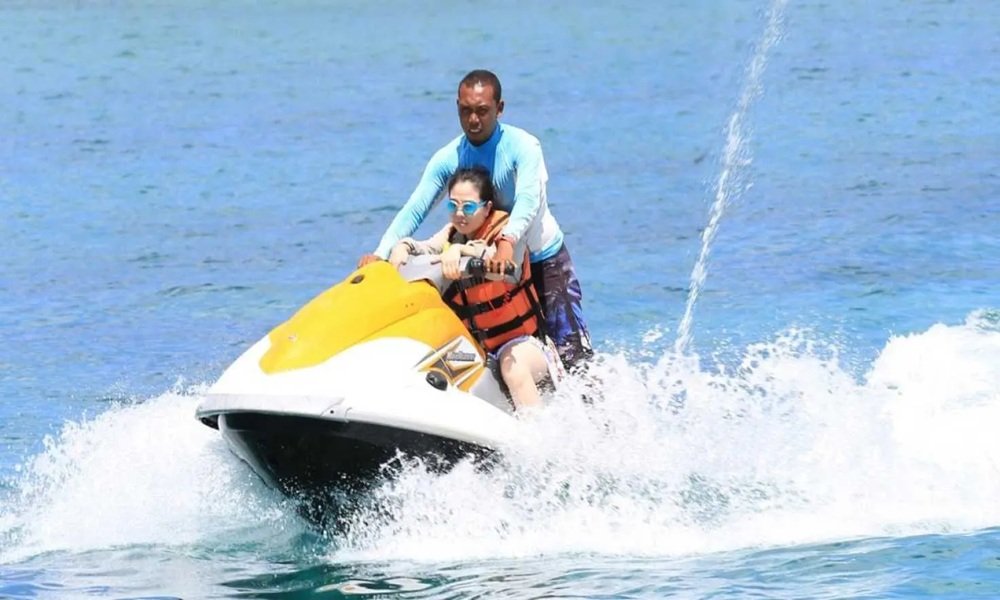
Bali Watersport Safety Tips
Planning an ocean adventure in Bali is exciting, but following practical Bali Watersport Safety Tips can make the experience much more enjoyable and stress-free. The island offers a huge variety of activities, from parasailing and jet skiing to snorkeling, banana boats, diving, and other water-based adventures.
For most visitors, watersports are meant to be fun rather than intimidating. However, the ocean is an unpredictable environment. Weather, waves, currents, equipment, and individual experience can all affect how an activity feels on a particular day.
Good preparation does not mean expecting something to go wrong. It simply means understanding the activity, listening to the crew, and knowing your own limits.
Whether you are visiting Bali for the first time or returning for another adventure, a few simple precautions can make a significant difference.
Bali Watersport Safety Tips Start Before You Enter the Water
Safety begins before you reach the boat or activity area.
When booking a watersport, pay attention to what is actually included. Check the activity duration, equipment, transportation, instructor assistance, age requirements, and any restrictions that may apply.
Do not choose an operator based solely on the cheapest advertised price.
A low price may exclude transportation, photographs, equipment, or other services that you expected to receive.
More importantly, you want an operator that takes preparation seriously.
When you arrive, observe how the crew handles equipment and communicates with participants. A professional briefing should explain what you need to do before, during, and after the activity.
If something is unclear, ask.
There is no advantage in pretending that you understand an instruction when you do not.
Check the Weather and Sea Conditions
Bali’s tropical climate can change quickly.
A morning that begins with sunshine may develop stronger winds, rain, or rougher sea conditions later in the day. Different activities are affected by weather in different ways.
For example, wind can be particularly important for parasailing, while waves and currents may have a greater impact on snorkeling or diving.
This is why one of the most important Bali Watersport Safety Tips is to respect the operator’s decision when conditions are unsuitable.
Do not pressure a crew member to continue simply because you have already paid.
A responsible operator may delay, modify, or cancel an activity when conditions become unsafe.
That can be disappointing, especially when you have planned your vacation around the experience, but safety should come before an itinerary.
Choose an Activity That Matches Your Ability
Not every watersport is suitable for every traveler.
Someone who is comfortable swimming may enjoy snorkeling or diving, while another person may prefer an activity where they remain secured to equipment.
Your physical condition, swimming ability, confidence, and previous experience should influence your choice.
Beginners do not need to start with the most extreme activity available.
If you have never tried a watersport before, start with something that matches your comfort level. You can always try something more challenging on a future trip.
This is particularly important for families.
Children should participate only in activities for which they meet the operator’s current requirements, and parents should understand exactly what the activity involves before booking.
Listen Carefully During the Safety Briefing
The safety briefing may seem routine, particularly when you see other tourists preparing for the same activity.
Do not ignore it.
The crew may explain how to sit, hold on, enter or exit the equipment, communicate with the boat, or respond to specific instructions.
These details can vary between water adventures activities.
A jet ski session does not have the same procedures as a banana boat ride, and parasailing has different requirements again.
If you are unsure about something, ask before the activity starts.
Once you are moving, it may be much more difficult to communicate.
Use the Safety Equipment Provided
Life jackets and other protective equipment are there for a reason.
Wear the equipment correctly and make sure it fits properly.
Do not loosen a life jacket because it feels more comfortable, and do not remove it simply because you are confident in the water.
For activities involving harnesses, helmets, or other specialized equipment, allow the crew to make the necessary adjustments.
If something feels too tight, too loose, or incorrectly positioned, tell the crew before starting.
Never modify safety equipment yourself unless the operator specifically instructs you to do so.
A few seconds spent checking your equipment can prevent unnecessary problems later.
Do Not Underestimate the Bali Sun
Sun exposure is easy to overlook during a watersports adventure.
You may feel comfortable because you are surrounded by water and moving air, but the tropical sun can still be intense.
Apply sunscreen before starting your activity and reapply it as appropriate for the product and your time in the water.
Pay attention to areas such as your shoulders, back, neck, ears, and legs.
A rash guard or lightweight protective clothing can provide additional coverage for some activities.
Remember that water can reflect sunlight, while wind can make you feel cooler than you actually are.
Do not use the temperature of the air as your only indication of how much sun you are receiving.
Stay Hydrated
Spending time in the sun and participating in physical activities can leave you dehydrated.
Bring drinking water and take regular opportunities to hydrate.
This becomes especially important when you combine several activities during one day.
You may feel perfectly energetic at the beginning, but several hours of sun, swimming, walking, and physical activity can gradually take a toll.
Drink water throughout the day rather than waiting until you feel extremely thirsty.
If you feel unusually tired, dizzy, weak, or unwell, tell someone rather than continuing the activity.
Avoid Alcohol Before Watersports
This is one of the simplest Bali Watersport Safety Tips, but it is sometimes overlooked during vacations.
Do not participate in watersports while impaired by alcohol or recreational drugs.
Even a moderate amount of alcohol can affect judgment, balance, coordination, and reaction time.
Those effects become more significant when you are operating a jet ski, riding an inflatable, swimming, or participating in an activity at height.
Save the drinks for afterward.
You will enjoy the activity more when you are alert and able to follow instructions properly.
Keep Valuables Away From the Water
Your phone may be useful for photographs, but bringing expensive electronics onto a boat or Bali watersport equipment creates an unnecessary risk.
The ocean is not a forgiving place for wallets, watches, jewelry, cameras, or phones.
Leave unnecessary valuables in a secure location whenever possible.
If you need to bring your phone, use suitable waterproof protection and follow the operator’s instructions regarding personal belongings.
Avoid wearing expensive jewelry.
Necklaces, bracelets, rings, and earrings can be lost in the water and may also become inconvenient around certain equipment.
A watersports day is a good opportunity to travel light.
Understand Your Swimming Ability
Being a strong swimmer does not make someone invulnerable in the ocean.
Currents, waves, fatigue, and unexpected conditions are different from swimming in a hotel pool.
At the same time, being a weak swimmer does not necessarily mean you cannot enjoy any watersport.
Some activities provide flotation equipment and professional supervision.
The important thing is to be honest with the operator.
Tell the crew if you are not confident in deep water.
Do not enter the water simply because everyone else in your group is doing so.
Your friends may have completely different swimming abilities and comfort levels.
Pay Attention to Currents
Ocean currents can be difficult to see from the surface.
A calm-looking section of water can still contain movement beneath it.
This is particularly relevant to snorkeling, diving, swimming, and activities where participants enter the water away from shore.
Follow the designated route and stay within the area specified by the crew.
Never swim farther away simply because the water looks inviting.
If you become separated from your group, remain calm and follow the operator’s emergency instructions rather than attempting to swim a long distance independently.
Be Careful Around Boats
Many Bali watersports involve boats, so boat awareness is essential.
Follow instructions when boarding and leaving the boat.
Watch your footing because surfaces can be wet and slippery.
Do not stand in areas where the crew has told you to remain seated.
Never approach a moving propeller or jump into the water near a boat without specific instructions.
If you need to enter or exit the water, wait for the crew to tell you when it is safe.
Simple discipline around boats is one of the most valuable Bali Watersport Safety Tips because even a small mistake can have serious consequences.
Know When to Stop
Sometimes the safest decision is simply to stop.
If you suddenly feel dizzy, unusually tired, frightened, short of breath, or physically uncomfortable, tell the crew.
Do not continue because you are worried about wasting money.
The same principle applies if conditions change during the activity.
Experienced crew members can assess the situation and determine what should happen next.
You are not expected to prove your toughness.
A good adventure should challenge you within reasonable limits, not push you beyond them.
Extra Considerations for Parasailing
Parasailing involves different safety considerations from activities that keep you directly on the water.
The harness must be properly positioned, and participants need to follow the crew’s instructions during launch and landing.
Loose accessories should be removed or secured.
Sunglasses, hats, phones, and other objects can become problematic in strong wind.
Pay attention to the briefing and do not attempt to adjust the harness while airborne.
If something feels uncomfortable before takeoff, tell the crew immediately.
You should never feel embarrassed about asking for an adjustment.
For clothing recommendations specifically, see our guide What to Wear for Parasailing.
Extra Considerations for Jet Skiing
Jet skiing requires more active participation than parasailing.
Listen carefully to the instructor before operating the vehicle.
Learn how to accelerate, slow down, turn, and respond to instructions before moving into more open water.
Do not treat a jet ski like a motorcycle on an empty road.
There may be other boats, riders, swimmers, and designated activity areas around you.
Avoid sudden movements that you have not practiced.
Most importantly, follow the operator’s speed and distance rules.
If an instructor tells you to slow down, do it immediately.
Extra Considerations for Snorkeling
Snorkeling can look easy, but beginners should still take it seriously.
Make sure your mask fits correctly and that you understand how to use the snorkel.
Do not swim far from the group.
If water enters your mask or snorkel, remain calm and follow the technique explained during the briefing.
Avoid touching coral, marine animals, or underwater structures.
Apart from protecting the environment, this also protects you from potentially sharp, irritating, or dangerous marine organisms.
A good snorkeling experience involves observing the underwater world without disturbing it.
Extra Considerations for Banana Boats
Banana boat rides are popular with groups because they are simple and social.
However, participants still need to follow the crew’s instructions.
Sit where you are told to sit and hold the designated handles correctly.
Do not suddenly change positions.
If the inflatable moves unexpectedly, staying properly positioned can help reduce the risk of falling awkwardly.
If you fall into the water, remain calm and follow the crew’s instructions for getting back onto the boat or waiting for assistance.
Do not attempt to swim toward the towing boat without instructions.
Protect Your Skin and Feet
Water activities do not always happen entirely in deep water.
You may walk across sand, rocks, boat ramps, or other surfaces before entering the water.
Appropriate footwear can help protect your feet where permitted.
However, follow the operator’s instructions because some activities require participants to remove footwear before entering equipment.
Sun protection also applies to your feet, especially if you are wearing sandals.
It is surprisingly easy to overlook the tops of your feet during a long day at the beach.
Do Not Ignore Small Injuries
A small cut, blister, or scrape can become irritating when exposed repeatedly to saltwater.
If you have an existing wound, ask the operator whether the activity is appropriate.
After the activity, clean minor wounds appropriately and monitor them.
If an injury appears serious or you develop concerning symptoms, seek professional medical attention rather than relying solely on home treatment.
Your vacation is not improved by ignoring an injury until it becomes worse.
Respect Marine Life
Bali’s ocean environment is part of what makes watersports so attractive.
Treat it respectfully.
Do not stand on coral.
Do not break or collect coral.
Do not chase marine animals.
Do not feed wildlife unless an authorized conservation program specifically instructs participants to do so.
Avoid throwing plastic or other waste into the sea.
Responsible behavior helps preserve the destinations that travelers come to experience.
It also creates a better experience for future visitors.
Choose the Right Operator
One of the most important Bali Watersport Safety Tips is choosing a responsible operator.
Look for clear information about the activity, equipment, meeting point, requirements, and cancellation policies.
Read recent customer feedback, but do not rely on reviews alone.
When you arrive, pay attention to how the crew communicates.
Do they provide instructions?
Do they check equipment?
Do they appear organized?
Do they take weather conditions seriously?
These observations can help you decide whether you feel comfortable participating.
If something seems seriously wrong, you are allowed to reconsider.
Have a Simple Emergency Plan
You do not need to expect an emergency, but knowing what to do can help you remain calm.
Before starting, know who the crew leader is.
Understand how you should signal if you have a problem.
Keep important personal information accessible when appropriate.
If you are traveling with children, make sure everyone knows where to meet if separated.
The crew should handle the actual emergency procedures, but participants should still understand the basic instructions.
Staying calm is often more useful than reacting impulsively.
Following Bali Watersport Safety Tips does not mean spending your vacation worrying about everything that could go wrong.
It means making sensible decisions so you can concentrate on enjoying the experience.
Choose an activity that matches your ability, use the equipment correctly, listen to the briefing, respect weather and sea conditions, protect yourself from the sun, stay hydrated, and avoid alcohol before participating.
Do not bring unnecessary valuables, and tell the crew immediately if something feels wrong.
Bali offers an impressive range of ocean adventures, and each activity has its own requirements. Parasailing, jet skiing, snorkeling, banana boats, diving, and other watersports can all provide unforgettable experiences when approached responsibly.
The ocean deserves respect, but there is no need to be afraid of it.
Good preparation, sensible choices, and a professional operator can help turn your Bali watersports adventure into one of the highlights of your trip.
If you are still deciding where to enjoy your ocean adventure, continue with our guide to Best Places for Watersport in Bali and compare the different coastal destinations before booking.