

Best Time to Visit Gili Trawangan for a Day Trip
Choosing the Best Time to Visit Gili Trawangan for a Day Trip can make a significant difference to your experience, especially when you are traveling from Bali and have only one day to enjoy the island. Weather, sea conditions, ferry schedules, crowds, visibility, and the amount of time available for activities can all affect how much you actually get to see.
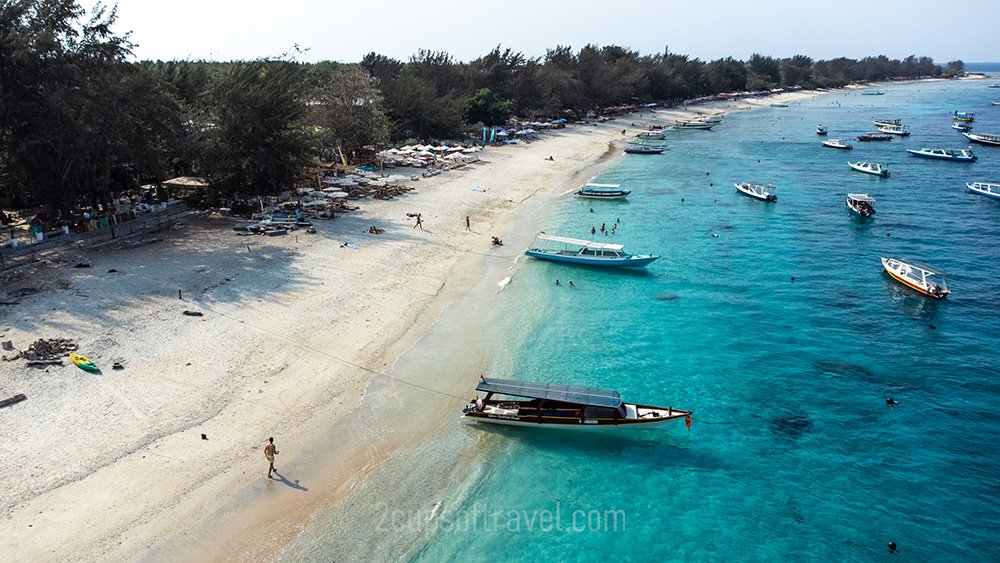
Gili Trawangan is famous for its clear turquoise water, white-sand beaches, colorful coral reefs, relaxed island atmosphere, and spectacular sunsets. Although the island is relatively small, a day trip requires careful planning because your travel time begins long before you arrive on the island.
For most travelers, the dry season offers the most reliable conditions for a Gili Trawangan day tour. However, that does not mean every day during the dry season is perfect or that the rainy season should automatically be avoided. Understanding the differences between seasons can help you choose a date that matches your priorities.
Understanding Gili Trawangan’s Tropical Climate
Gili Trawangan is Island tours has a tropical climate, with warm temperatures throughout the year. Instead of experiencing four distinct seasons like many countries, travelers generally think of the island in terms of a drier period and a wetter period.
The dry season is generally associated with sunnier weather and lower rainfall, while the wet season brings more humidity, cloud cover, and occasional heavy rain.
However, tropical weather is not completely predictable.
A rainy-season morning can sometimes be sunny and beautiful, while a dry-season afternoon may experience an unexpected shower or rougher sea conditions.
This is particularly important when traveling by boat.
For a day trip, conditions at sea can be just as important as conditions on the island itself.
Best Time to Visit Gili Trawangan for a Day Trip: The Dry Season
For travelers who want the highest chance of favorable weather, the dry season is generally the most popular period.
The months around June through September are often considered particularly attractive because rainfall tends to be lower and sunny days are more common.
These conditions can be excellent for swimming, snorkeling, walking along the beach, and enjoying the island’s outdoor scenery.
Clearer skies can also improve underwater visibility, although visibility depends on local sea conditions and can change from day to day.
If you are traveling from Bali specifically for snorkeling, choosing a period with favorable marine conditions can make the experience much more enjoyable.
The dry season is also popular for a reason: travelers want to maximize their limited time on the island.
June to August: Popular but Busy
June, July, and August are among the busiest periods for tourism in many parts of Bali and the surrounding islands.
The weather can be excellent, but popularity comes with another consideration: crowds.
Fast boats and popular attractions can become busy during peak travel periods.
If you are visiting Gili Trawangan for a single day, crowds can affect the pace of your itinerary.
Instead of spending your time exploring, you may spend more time waiting for transportation, finding a place to eat, or looking for a quieter section of beach.
This does not mean you should avoid these months.
If your schedule only allows a July or August visit, the experience can still be excellent. Consider traveling on a weekday and starting your day early.
Booking transportation in advance can also help reduce unnecessary delays.
September Can Be a Good Balance
September is often an appealing month for travelers who want favorable weather without the same level of peak-season pressure.
The island can still experience plenty of sunny days, while visitor numbers may begin to become more manageable compared with the busiest holiday period.
For a day trip, this balance can be useful.
You want enough time to enjoy the island without feeling that every attraction is crowded.
September can also be attractive for travelers who want to spend time in the water. Clear conditions can provide excellent opportunities for snorkeling and swimming, although daily sea conditions should always be checked before departure.
October and the Transition Period
October can be more variable.
The weather begins transitioning toward the wetter part of the year, but this does not mean that the entire month is rainy.
You may still experience beautiful sunny days.
The advantage of traveling during a transition period is that visitor numbers can be lower than during the busiest summer months.
The disadvantage is reduced predictability.
If you have flexibility, check the weather forecast and sea conditions close to your travel date rather than relying only on historical seasonal patterns.
For a day trip, this flexibility is valuable because you have limited time to recover from poor weather.
November to March: The Wet Season
The wet season can bring higher rainfall, more cloud cover, and increased humidity.
However, it is important not to assume that Gili Trawangan is permanently wet during these months.
Rain can be intermittent.
You may have a sunny morning followed by a heavy afternoon shower, or several relatively dry days followed by a period of unsettled weather.
The bigger consideration for a day trip is the sea.
Boat journeys can become less comfortable when conditions are rough, and schedules may be affected by weather.
If you are considering visiting during the wet season, choose an itinerary with some flexibility and confirm transportation conditions before leaving Bali.
Is the Rainy Season Worth Considering?
Yes, especially if you prefer fewer crowds and have flexibility.
Lower visitor numbers can make the island feel more relaxed.
You may have more space on the beach, easier access to restaurants, and less competition for photographs.
Prices for accommodation and travel-related services can also sometimes be more attractive outside peak periods, although this varies by provider.
The trade-off is weather uncertainty.
If snorkeling and clear water are your main priorities, you may prefer a more reliable period.
If your main goal is simply experiencing the island atmosphere, a wet-season day can still be worthwhile if weather and boat conditions cooperate.
Morning or Afternoon: Which Is Better?
For a day trip, morning is usually the most valuable time.
Arriving early gives you more hours to explore before returning to Bali.
Morning conditions can also be attractive for snorkeling and photography.
The sunlight is generally softer than during the middle of the day, and the beaches can feel quieter.
If you are visiting during a busy period, an early arrival can also help you avoid some of the largest crowds.
The afternoon is better suited to relaxing, exploring the coastline, having lunch, or finding a scenic place to watch the sunset if your return schedule allows enough time.
However, do not underestimate the time required to get back to your departure point.
A beautiful sunset is not worth missing your boat.
The Best Months for Snorkeling
Many travelers visit Gili Trawangan specifically for snorkeling.
Water conditions can vary throughout the year, so there is no single month that guarantees perfect visibility.
Generally, periods with calmer seas and good weather can provide more enjoyable snorkeling conditions.
Visibility may also be affected by currents, wind, rainfall, and local marine conditions.
For the best experience, avoid making your decision based entirely on a month-by-month guide.
Check current conditions and listen to local boat operators or snorkeling guides.
They understand the daily conditions around the islands better than a general seasonal prediction.
Consider the Day of the Week
The day of the week can be almost as important as the month.
Weekends and public holidays can be busier, especially when domestic travelers are also visiting.
A weekday trip can provide a more relaxed experience.
If you have the choice, Monday through Thursday may offer a quieter atmosphere than weekends.
However, transportation schedules and availability can vary.
Always confirm your boat schedule before planning your activities.
How Sea Conditions Affect Your Trip
When traveling from Bali to Gili Trawangan, the sea is an important part of the equation.
Even if the weather is sunny on the island, conditions during the boat journey may be different.
Wind, waves, and currents can influence the comfort and duration of the crossing.
This is one reason why travelers should avoid choosing a departure based only on a beautiful weather forecast for Bali.
Look at marine conditions as well.
If you are prone to motion sickness, consider taking appropriate precautions before the journey and choosing a larger or more stable boat when options are available.
Your comfort during transportation can affect how much you enjoy the rest of the day.
Planning Around Your Bali Itinerary
Where you are staying in Bali also affects the ideal day-trip schedule.
Travelers staying in southern Bali may need additional transportation time before reaching the port.
If you are staying closer to eastern Bali, reaching the departure point may be more convenient.
This is why a Gili Trawangan day trip should be planned as a complete journey rather than simply looking at the boat crossing.
Allow time for hotel pickup, road traffic, check-in, boarding, the sea crossing, activities on the Gili Trawangan day tour, and the return journey.
A schedule that looks comfortable on paper can become tight when unexpected delays occur.
What to Do During a One-Day Visit
Because time is limited, choose your priorities before arriving.
Some travelers want to snorkel.
Others prefer cycling around the island, relaxing on the beach, exploring restaurants, or photographing the coastline.
You cannot necessarily do everything at a leisurely pace in one day.
A practical itinerary might involve arriving in the morning, exploring the island, enjoying a snorkeling session, having lunch, relaxing near the beach, and returning to the port in time for your boat.
Avoid filling every hour with activities.
A day trip should still feel like a holiday.
Best Time for Photography
If photography is important, early morning and late afternoon can provide beautiful natural light.
Morning light can create soft colors around the beaches and palm trees.
Late afternoon offers warmer tones and the possibility of spectacular sunset photographs.
Gili Trawangan is particularly known for its sunset atmosphere.
However, sunset should only be part of your plan if your transportation schedule allows it.
For a day trip from Bali, the priority should always be returning safely according to your confirmed schedule.
If you have a late return boat, sunset may be a wonderful final activity.
If your boat leaves earlier, enjoy the island during daylight instead.
What Happens During Bad Weather?
Weather disruptions are possible during any tropical island trip.
Heavy rain can affect snorkeling, beach activities, and visibility.
Strong winds can also affect boat operations.
If conditions become unsuitable, transportation providers may adjust schedules or cancel services.
This is frustrating, but it is ultimately a safety issue.
Travelers should avoid assuming that a boat will operate simply because they have already purchased a ticket.
Keep your schedule flexible when possible.
Travel insurance may also be worth considering for travelers who are booking non-refundable accommodation, transportation, or activities.
Choosing the Right Time for Different Travelers
Different travelers may prefer different periods.
For first-time visitors: the drier months are generally easier because outdoor activities are more predictable.
For snorkeling enthusiasts: prioritize periods with favorable marine conditions rather than simply choosing a specific month.
For photographers: consider early morning or late afternoon and avoid the busiest periods if possible.
For budget travelers: shoulder or wetter periods may offer better value, depending on current prices.
For travelers who dislike crowds: consider weekdays and periods outside major holidays.
For families: more predictable weather and calmer transportation conditions may be especially important.
There is no single perfect date for everyone.
How Far in Advance Should You Plan?
The amount of advance planning depends on when you travel.
During peak periods, transportation can become busy, so advance booking is sensible.
During quieter periods, you may have more flexibility.
Regardless of the season, confirm your departure and return arrangements before the day of travel.
If you are booking a complete day tour, check exactly what is included.
Does it include hotel pickup?
Is fast boat transportation included?
Are snorkeling activities included?
Are entrance fees included?
Knowing these details makes it easier to compare different options.
A Flexible Strategy Can Be Better Than a Perfect Date
Instead of becoming obsessed with finding the one “perfect” day, choose a suitable travel window and monitor conditions.
If you have several days available, select the day with the most favorable forecast and sea conditions.
This strategy is particularly useful during shoulder seasons.
A flexible schedule gives you a better chance of enjoying clear weather without unnecessarily restricting your vacation around one specific date.
Final Thoughts
The Best Time to Visit Gili Trawangan for a Day Trip generally depends on a combination of weather, sea conditions, crowds, transportation, and your personal priorities.
The drier months are often the easiest choice for travelers who want outdoor activities, snorkeling, swimming, and reliable sightseeing conditions. June through September can be particularly attractive, although July and August are typically busier.
The transition months can offer an appealing balance between weather and visitor numbers, while the wet season can still work for flexible travelers who are comfortable with changing conditions.
For a one-day visit, timing matters even more because every hour counts. Start early, choose your activities carefully, confirm your boat schedule, and leave enough time for the return journey.
Most importantly, do not judge the trip only by the weather on the island. Sea conditions and transportation schedules are equally important.
With thoughtful planning, Gili Trawangan can be an exciting addition to a Bali vacation, whether your priority is snorkeling, beaches, photography, island exploration, or simply enjoying a different atmosphere from mainland Bali.
If you are also planning other Bali adventure experiences and want practical guidance for capturing memorable travel photographs, read our guide Bali Swing Photo Tips for useful photography ideas.