

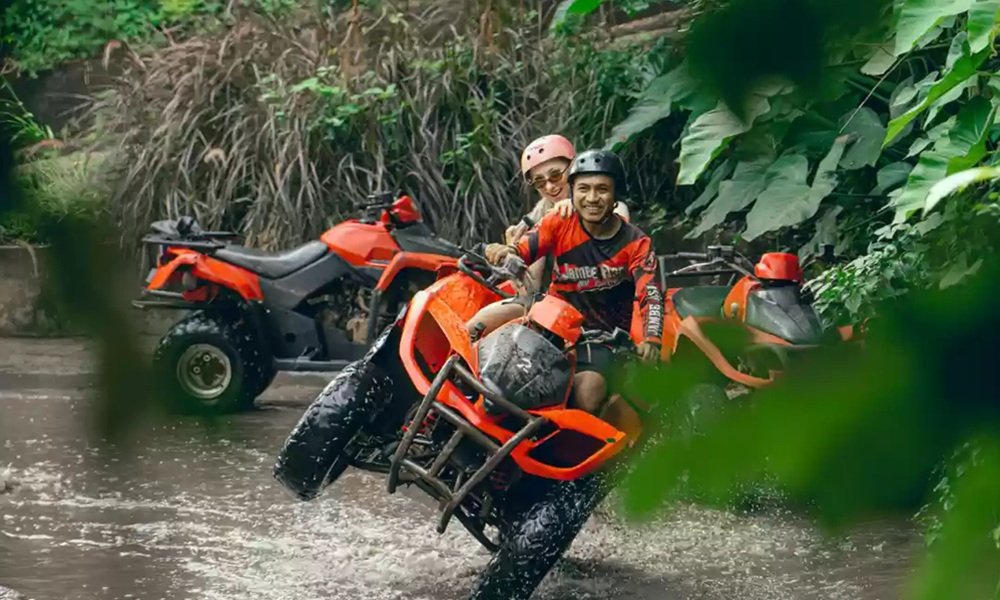
Is a Bali ATV Ride Safe? Tips for Beginners?
If you’re planning your first off-road adventure, it’s natural to ask, Is a Bali ATV Ride Safe? The answer is yes—for most travelers, an ATV tour in Bali is considered a safe outdoor activity when you choose a reputable operator, follow the guide’s instructions, and use the provided safety equipment correctly. Modern ATV tours are designed to accommodate beginners, and experienced guides carefully manage every stage of the journey, allowing participants to enjoy Bali’s beautiful countryside with confidence.
While this land adventures involves uneven terrain, muddy trails, and occasional river crossings, professional operators prioritize safety through routine vehicle maintenance, detailed briefings, protective equipment, and guided supervision. Understanding how these measures work will help you feel prepared before booking your adventure.
Is a Bali ATV Ride Safe for Beginners?
One of the biggest misconceptions is that ATV riding is only suitable for experienced drivers. In reality, many visitors who join ATV tours have never operated an all-terrain vehicle before arriving in Bali.
Most beginner-friendly tours start with a comprehensive introduction that explains:
- Basic ATV controls
- Safe acceleration and braking
- Steering techniques
- Riding posture
- Trail etiquette
- Emergency procedures
Participants are also given time to practice in a controlled area before entering the main trail.
Because most ATVs used for tourism feature automatic transmissions, learning the basic controls usually takes only a few minutes.
Why Professional Operators Have Strong Safety Records
A safe ATV experience depends largely on the company you choose.
Reputable operators invest heavily in:
- Regular vehicle inspections
- Professional guide training
- Clearly marked routes
- Protective equipment
- Emergency response procedures
- Guest safety briefings
Before every departure, guides inspect helmets, explain riding rules, and answer questions from participants.
These simple but important steps greatly reduce unnecessary risks throughout the adventure.
Essential Safety Equipment
Professional ATV tours normally provide equipment designed to protect riders during the activity.
Safety Helmet
A properly fitted helmet is the single most important piece of protective equipment.
Always ensure your helmet:
- Fits securely
- Fastens correctly
- Isn’t damaged
- Remains fastened throughout the ride
Never remove your helmet until instructed by your guide.
Protective Boots
Some operators include rubber boots to improve grip and keep your feet dry while crossing muddy sections.
If boots aren’t provided, wear sturdy closed-toe shoes with good traction.
Comfortable Clothing
Choosing practical clothing also contributes to safety.
Loose scarves, long necklaces, and clothing that may catch on branches should be avoided.
Quick-drying sportswear usually provides the best combination of comfort and freedom of movement.
Common Safety Rules Every Rider Should Follow
Even experienced riders follow basic safety guidelines during every tour.
Some of the most important include:
Listen Carefully During the Briefing
Many questions are answered before the adventure even begins.
Understanding hand signals, stopping procedures, and trail rules helps prevent confusion later.
Maintain a Safe Distance
Leaving enough space between ATVs provides additional reaction time if another rider slows unexpectedly.
Following too closely increases the chance of minor collisions.
Ride at a Comfortable Speed
The goal isn’t to finish first.
Guides set a pace that allows everyone to enjoy the scenery while maintaining safe control of their vehicles.
Stay on the Designated Trail
Marked routes have been selected for both safety and environmental protection.
Leaving the designated trail may expose riders to unnecessary hazards.
How Guides Help Keep Riders Safe
Experienced guides do much more than lead the group.
Throughout the adventure they continuously monitor participants, adjusting the pace whenever necessary.
They also:
- Demonstrate difficult sections
- Assist nervous beginners
- Provide encouragement
- Watch for obstacles
- Coordinate group stops
- Respond quickly if assistance is needed
Their local knowledge plays an important role in maintaining a safe and enjoyable experience for everyone.
Understanding the Terrain
Bali’s ATV routes are designed to provide adventure without requiring advanced riding skills.
Depending on the location, you may encounter:
- Dirt paths
- Jungle trails
- Rice field tracks
- Small river crossings
- Gentle hills
- Muddy sections
- Bamboo forests
Although these environments create exciting experiences, guides carefully explain how to approach each section safely before riders continue.
Who Should Think Twice Before Joining?
Although ATV adventures are suitable for many travelers, they may not be appropriate for everyone.
Individuals should consult the operator before booking if they:
- Are pregnant
- Have serious back or neck injuries
- Recently underwent surgery
- Have medical conditions affecting balance
- Experience severe mobility limitations
Safety should always take priority over participating in any adventure activity.
Can Children Join Safely?
Many operators welcome families, but age requirements differ depending on the company and route.
Children who do not meet the minimum driving age may still be allowed to ride as passengers on tandem ATVs with an adult.
Parents should always confirm:
- Minimum participant age
- Passenger policies
- Height requirements
- Safety recommendations
Following these guidelines helps ensure younger participants enjoy the experience comfortably.
Weather and Safety
Bali’s tropical climate occasionally brings rain, especially during the wet season.
Fortunately, light rain rarely makes Bali ATV ride tours unsafe.
Professional guides adjust riding speeds according to trail conditions, and muddy terrain often becomes one of the most enjoyable parts of the adventure.
However, in cases of severe weather, operators may delay or reschedule departures to protect guest safety.
Making these decisions demonstrates responsible tour management rather than inconvenience.
Building Confidence Before Your Ride
Feeling slightly nervous before your first ATV experience is completely normal.
Confidence grows quickly once you become familiar with the controls and realize that professional guides remain nearby throughout the journey.
Instead of focusing on difficult sections ahead, concentrate on riding smoothly, following instructions, and enjoying the scenery around you.
Most first-time participants finish their adventure wishing the ride had lasted even longer.
Are ATV Accidents Common?
This is another concern many first-time visitors have before making a reservation. While minor slips or muddy splashes can happen during any off-road activity, serious incidents are uncommon when tours are operated by experienced companies that follow proper safety procedures.
The majority of accidents occur because riders ignore instructions, drive too fast, attempt risky maneuvers, or fail to maintain a safe distance from the ATV in front of them. By riding responsibly and following your guide’s directions, you significantly reduce these risks.
Choosing an operator with well-maintained equipment and positive customer reviews is one of the most effective ways to improve your overall safety.
How to Reduce Risk During Your Adventure
Although professional guides manage the tour, riders also play an important role in staying safe.
Simple habits can make a noticeable difference throughout the experience.
Stay Relaxed
Many beginners grip the handlebars too tightly because they feel nervous. Relaxing your shoulders and arms allows the ATV to move more naturally over uneven ground.
Look Ahead
Rather than watching the front wheels, focus on the trail several meters ahead. This gives you more time to react to turns, bumps, or water crossings.
Use Smooth Movements
Gentle acceleration and steady braking help maintain better control than sudden movements.
Respect Your Limits
If a particular section feels challenging, don’t hesitate to let your guide know. Professional guides are there to help, not judge your ability.
Choosing a Safe ATV Operator
Not all ATV tour companies provide the same level of service. Before booking, take time to evaluate several important factors.
Look for operators that:
- Maintain modern ATV vehicles
- Employ experienced local guides
- Provide certified helmets
- Offer insurance coverage
- Explain safety procedures clearly
- Have consistently positive guest reviews
- Limit group sizes for better supervision
A slightly higher price is often worthwhile if it reflects better equipment and stronger safety standards.
Safety Tips Before the Tour Begins
Preparing before arrival helps create a smoother experience.
Consider these recommendations:
- Get a good night’s sleep before your tour.
- Eat a light meal rather than a heavy breakfast.
- Stay hydrated, especially during warmer months.
- Wear comfortable clothing and closed-toe shoes.
- Remove loose jewelry and secure long hair.
- Inform your guide about any medical conditions that could affect your participation.
These simple preparations allow you to focus entirely on enjoying the adventure.
Safety Tips While Riding
Once the tour begins, following a few practical habits will make the experience safer and more enjoyable.
Always keep both hands on the handlebars unless instructed otherwise.
Avoid trying to overtake other riders.
Follow the guide’s speed, especially through muddy sections or river crossings.
If you need to stop unexpectedly, signal your guide whenever possible.
Most importantly, remember that this is a guided adventure—not a race.
Frequently Asked Questions
Do I Need Previous Driving Experience?
No. Most Bali ATV rides participants are beginners, and operators provide a full safety briefing before the ride starts.
Is ATV Riding Safe During the Rainy Season?
Yes, provided weather conditions remain suitable for operation. Guides adjust the pace according to trail conditions, and tours may be postponed if severe weather creates safety concerns.
Can Older Adults Join?
Many healthy older adults enjoy ATV adventures. Participants should simply ensure they meet the operator’s health recommendations and feel comfortable participating in moderate outdoor activities.
What Happens If My ATV Stops?
Remain calm and wait for your guide. Do not attempt to repair or restart the vehicle unless instructed to do so.
Is Insurance Usually Included?
Many professional operators include basic insurance as part of the tour package, but it’s always wise to confirm the details before booking.
Confidence Comes from Preparation
Feeling nervous before trying something new is completely understandable, especially when your adventure involves off-road driving for the first time.
Fortunately, Bali’s professional ATV operators have years of experience guiding beginners from around the world. Clear instructions, automatic vehicles, carefully selected routes, and attentive guides all work together to create an activity that is both exciting and approachable.
The best preparation isn’t advanced driving skills—it’s choosing a reputable operator, listening carefully, wearing appropriate clothing, and riding responsibly.
For thousands of travelers every year, an ATV adventure becomes one of the most memorable experiences of their Bali holiday because it combines beautiful scenery with just the right amount of excitement.
If safety is your biggest concern, planning ahead and following professional guidance will allow you to enjoy the journey with confidence while discovering a side of Bali that many visitors never get to see.
Is a Bali ATV Ride Safe? For most travelers, the answer is yes. Professional operators provide safety briefings, protective equipment, experienced guides, and well-maintained vehicles designed for beginners. By choosing a reputable company, wearing appropriate clothing, and following instructions throughout the tour, you can enjoy an exciting off-road adventure while minimizing unnecessary risks.
Before your adventure, read our What to Wear for a Bali ATV Ride guide to make sure you’re dressed comfortably and safely for every trail condition.