

What to Expect on Your First Bali Snorkeling Trip
If you are wondering what to expect on your first Bali snorkeling trip, the good news is that you do not need to be an experienced swimmer or underwater expert to enjoy it. Snorkeling is one of the easiest ways to discover Bali’s tropical water adventures life while staying close to the surface. With warm water, colorful coral reefs, tropical fish, and a wide variety of coastal locations, Bali offers plenty of opportunities for first-time snorkelers.
Still, your first experience may feel unfamiliar. Wearing a mask, breathing through a snorkel, moving with fins, entering the ocean from a boat or beach, and dealing with waves can take some getting used to. Knowing what happens before, during, and after your adventure can make the experience much more relaxed.
Your Day Usually Starts Earlier Than Expected
Many snorkeling trips begin in the morning. This is not simply a scheduling choice. Morning conditions can often provide calmer water and better visibility, although actual conditions depend on the location, weather, tides, wind, and sea conditions on the day.
For travelers staying in southern Bali, the journey to the snorkeling area may take some time. Depending on the destination, your trip can involve hotel pickup, a drive to the coast, a short walk to the beach, or a boat ride to an offshore snorkeling area.
Do not be surprised if the snorkeling itself is only one part of the day.
The journey can become part of the adventure. You may pass through traditional villages, rice fields, coastal roads, or small fishing communities before reaching the water.
A good idea is to have breakfast before leaving, especially if your departure is early. Avoid eating an extremely heavy meal immediately before getting into the water, but do not start the day hungry either.
You should also bring drinking water, a towel, sunscreen, a change of clothes, and anything else your operator recommends.
What to Expect on Your First Bali Snorkeling Trip: Getting Comfortable With the Gear
For a first-time snorkeler, the equipment can look more complicated than it actually is.
The basic setup normally consists of a mask, snorkel, and fins. Depending on your swimming ability and the tour, you may also use a life jacket or other flotation equipment.
The mask is probably the most important piece because it allows you to see underwater. It should fit comfortably around your face without feeling excessively tight. A properly fitted mask should create a seal that prevents water from continuously entering.
The snorkel allows you to breathe while keeping your face in the water. At first, breathing through a tube may feel strange. Many beginners instinctively try to breathe through their nose, especially during their first few minutes.
Take your time.
Before entering deeper water, practice breathing through the snorkel while standing in shallow water. Slow, relaxed breathing is much easier than taking quick, nervous breaths.
Fins are another adjustment. They allow you to move through the water more efficiently, but you should not kick aggressively. Small, steady movements are usually enough.
If the equipment does not feel right, tell your guide before continuing. A mask that leaks or fins that are too loose can quickly turn a relaxing activity into an uncomfortable one.
The First Few Minutes May Feel Awkward
Do not expect to look like a professional snorkeler immediately.
Your first few minutes may involve adjusting your mask, clearing water from your snorkel, getting used to your fins, and learning how to float comfortably.
That is completely normal.
One of the biggest mistakes beginners make is trying to swim too fast. Bali snorkeling tour is not a race. The slower you move, the easier it becomes to observe marine life and control your breathing.
Try to keep your body relaxed and horizontal. Let the water support you rather than fighting against it.
If you feel nervous, lift your head, take a normal breath, and communicate with your guide. There is no reason to force yourself to continue when you need a moment.
Even confident swimmers can feel different in the ocean because waves, currents, and visibility are different from swimming in a pool.
You May Be Surprised by How Much You Can See
Once you become comfortable, the underwater world usually becomes the highlight of the experience.
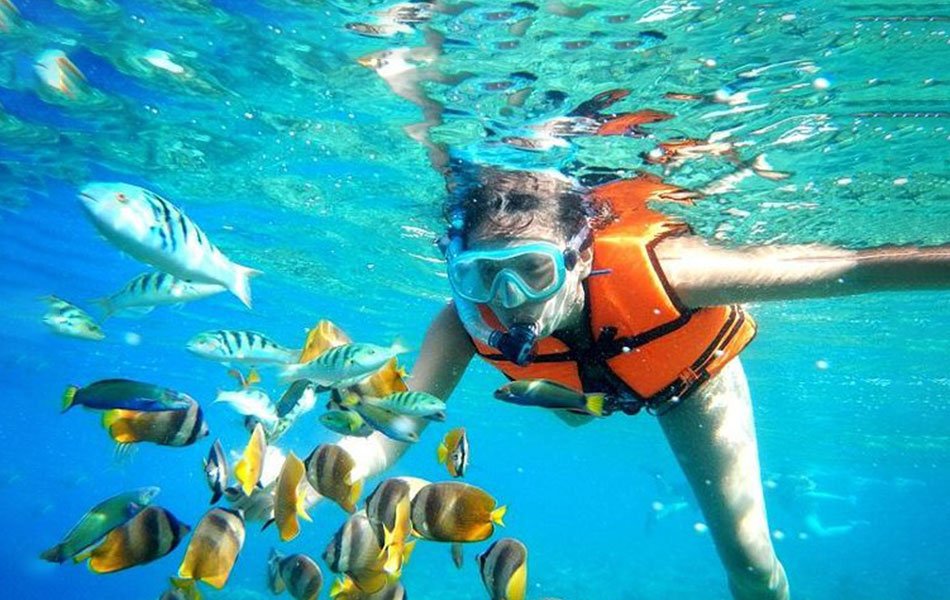
Bali’s coastal waters contain coral reefs and a variety of tropical marine life. Depending on the location and conditions, you may see schools of small reef fish, colorful coral, sea turtles, starfish, and other marine creatures.
However, it is important to keep expectations realistic.
The ocean is not an aquarium.
Marine life is wild and unpredictable. You may see dozens of fish in one area and fewer animals somewhere else. Water visibility can also change because of weather, tides, currents, and other natural factors.
That unpredictability is part of what makes snorkeling exciting.
You may spend several minutes watching a small group of fish moving between coral formations and suddenly notice something much larger swimming nearby.
Rather than trying to find a specific animal at all costs, pay attention to the entire reef.
Look closely.
Some of the most interesting creatures are surprisingly small and can easily be missed when you focus only on large fish.
Choosing the Right Location Matters
Not every snorkeling location around Bali provides the same experience.
Some areas are known for relatively sheltered water and easy access, while others can involve stronger currents, deeper water, boat transfers, or more challenging conditions.
For a first snorkeling experience, choosing a location that matches your comfort level is more important than choosing the most famous name.
Areas around Amed, Padang Bai, and other coastal destinations can offer different types of snorkeling experiences. Nusa Penida is also famous for its marine attractions, including manta rays, but conditions can be more demanding in certain areas.
This is why you should not choose a snorkeling destination based only on social media photographs.
A beautiful underwater photograph does not tell you how strong the current was, how far you had to swim, how deep the water was, or how difficult the entry and exit were.
For a more detailed comparison of beginner-friendly locations, see our guide:
Best Places for Bali Snorkeling for Beginners
That guide can help you compare different areas before deciding which type of snorkeling experience fits your trip.
You Do Not Have to Be an Expert Swimmer
Many first-time visitors worry that they need excellent swimming skills.
You do not need to be an Olympic swimmer to enjoy snorkeling, but you should be honest about your swimming ability and comfortable following safety instructions.
If you are not a confident swimmer, tell your guide before entering the water. Depending on the location and conditions, flotation equipment and closer supervision may be appropriate.
A life jacket is not something to be embarrassed about.
It can help you conserve energy and stay comfortable while you learn how to move in the water.
At the same time, snorkeling should never be treated as completely risk-free. Ocean conditions can change, and strong currents, waves, wind, and poor visibility can create dangerous situations. Official ocean-safety guidance recommends checking conditions and avoiding snorkeling when surf, wind, or currents make the water unsuitable.
A responsible guide should be willing to change the plan if conditions are unsafe.
That is a good sign, not a disappointment.
Your Guide Is There for More Than Directions
A good snorkeling guide does more than point toward interesting fish.
Your guide can explain how to use the equipment, help you enter the water, identify marine life, monitor conditions, and keep the group together.
If you are nervous, tell the guide.
If you cannot clear your mask, tell the guide.
If you are tired, tell the guide.
Communication is one of the simplest ways to make your first experience safer and more enjoyable.
You should also follow instructions about where to swim and when to return to the boat or shore. Ocean conditions can change faster than they appear from the beach.
Do not swim away from the group simply because you see something interesting.
Expect Salt Water, Sun, and a Little Mess
Snorkeling looks effortless in photographs, but your body is still working.
You may use your legs continuously, adjust your position against small waves, climb into a boat, walk over rocks, or swim against a mild current.
That means you may feel more tired afterward than expected.
Salt water can also leave your skin feeling dry, while prolonged sun exposure can be surprisingly intense even when you spend most of your time in the water.
Water reflects sunlight, and your back, shoulders, neck, and legs can receive significant exposure.
Bring suitable sun protection and consider wearing a rash guard or other protective clothing when appropriate.
If you use sunscreen, choose a reef-conscious product and avoid touching coral or marine animals.
The goal is to enjoy the environment without damaging it.
Do Not Touch the Coral
One of the most important habits for beginners is simple: look, but do not touch.
Coral may appear like rock, but living coral is extremely sensitive. Touching it can damage delicate organisms. Standing on coral can be even more harmful.
The same principle applies to fish, turtles, rays, and other marine life.
Do not chase animals for photographs.
Do not try to feed them unless an activity is specifically managed under appropriate guidelines.
Do not pick up shells or marine creatures.
Keeping a respectful distance allows wildlife to behave naturally and helps protect the reef for future visitors.
Your best souvenir is the memory and the photograph—not something taken from the ocean.
Underwater Photos Are Usually Harder Than They Look
You may arrive imagining beautiful photographs of yourself surrounded by tropical fish.
Sometimes you will get exactly that.
Sometimes you will get a blurry image of your mask, a finger covering the lens, or a photograph where the fish has already disappeared.
That is part of Bali snorkeling tour.
Underwater photography takes practice. Water movement, lighting, distance, and visibility all affect the result.
If you bring a waterproof camera or phone case, test it before entering the water. Make sure everything is properly secured.
More importantly, do not spend the entire experience looking at a screen.
Some of the best moments happen when you simply put the camera away and watch the reef.
You are there to experience the ocean first and photograph it second.
Weather Can Change the Experience
Bali’s tropical climate means weather conditions can influence your snorkeling adventure.
A sunny morning does not automatically guarantee perfect underwater visibility, and a cloudy day does not necessarily mean poor snorkeling.
Wind, waves, rainfall, tides, currents, and local conditions can all affect what you experience.
This is another reason not to become overly attached to a particular photograph or expectation.
Professional operators may adjust the itinerary or recommend another location when conditions are unsuitable.
That flexibility is valuable.
The best snorkeling trip is not necessarily the one that follows the original plan exactly. It is the one where the destination and conditions work together to create a comfortable and enjoyable experience.
What You Should Bring
You do not need a huge amount of equipment for your first snorkeling adventure.
A practical packing list includes:
- Swimwear
- Towel
- Sunscreen
- Sunglasses
- Drinking water
- Dry clothes
- Waterproof bag
- Waterproof camera or phone case
- Personal medication if required
- Cash for personal expenses
Most organized snorkeling trips provide the basic snorkeling equipment, but always confirm what is included before departure.
If you wear prescription glasses, ask the operator about available options before the trip.
Also consider leaving expensive jewelry and unnecessary valuables at your accommodation.
The ocean is not the ideal place to discover that your favorite bracelet has disappeared.
You May Feel Tired After the Trip
After several hours around the water, it is normal to feel physically tired.
Swimming, walking, traveling, sun exposure, and excitement all contribute.
Drink plenty of water after the activity and take time to relax.
If your snorkeling adventure includes multiple locations, remember that the second or third stop may feel different from the first. You may already be tired, even if you do not notice it immediately.
Do not push yourself simply because other people in the group want to continue.
A good snorkeling experience should leave you excited about the ocean, not completely exhausted.
The Ocean Does Not Follow a Schedule
One of the most useful lessons for a first-time snorkeler is learning to accept uncertainty.
You may hope to see turtles but encounter none.
You may expect crystal-clear water but experience reduced visibility.
You may think you will be nervous and then discover that you love being underwater.
Or you may discover that snorkeling is not your favorite activity at all.
Every experience is different.
The best approach is to focus on what the ocean offers rather than trying to control every detail.
That mindset makes a big difference.
Instead of asking, “Will I see exactly what I saw online?” ask, “What can I discover today?”
That simple change can make your experience much more enjoyable.
A Few Simple Rules Make a Big Difference
Before entering the water, remember a few basic principles.
Listen to your guide.
Check the conditions.
Use properly fitting equipment.
Stay with your group or buddy.
Do not exceed your swimming ability.
Do not touch coral or marine life.
Stay hydrated.
Protect yourself from the sun.
And if conditions become uncomfortable or unsafe, get out of the water.
These rules may sound simple, but they are especially important for people experiencing ocean snorkeling for the first time.
Safety guidance for snorkelers also emphasizes checking conditions, using suitable equipment, snorkeling with others, and recognizing personal limitations.
Your First Snorkeling Trip Can Be Surprisingly Memorable
For many travelers, the most memorable part of a first snorkeling experience is not a particular destination.
It is the moment they put their face underwater and realize that an entirely different world is just beneath the surface.
The first few minutes may feel strange. Your mask may need adjusting. Your breathing may feel unnatural. Your fins may seem awkward.
Then something changes.
You relax.
You begin to float.
You start breathing normally.
A school of fish appears beneath you.
The coral becomes visible.
Suddenly, you stop thinking about the equipment and start exploring.
That is when snorkeling becomes truly enjoyable.
Bali offers many different ways to experience its coastal waters, from easy reef sessions to boat-based adventures and more challenging marine destinations. The key is choosing an experience that matches your ability, paying attention to local conditions, and approaching the ocean with respect.
Your first trip does not need to be perfect.
You do not need to swim the fastest, take the best photographs, or see the rarest marine animal.
Just slow down, stay comfortable, listen to your guide, and enjoy what is happening beneath you.
Once you experience that feeling for the first time, you may find yourself wanting to explore even more of Bali’s underwater world.
For beginners, the most important things to remember are choosing the right location, using comfortable equipment, listening to your guide, respecting marine life, and checking ocean conditions before entering the water.
For more ideas on choosing a suitable location, explore our guide: Best Places for Bali Snorkeling for Beginners.