

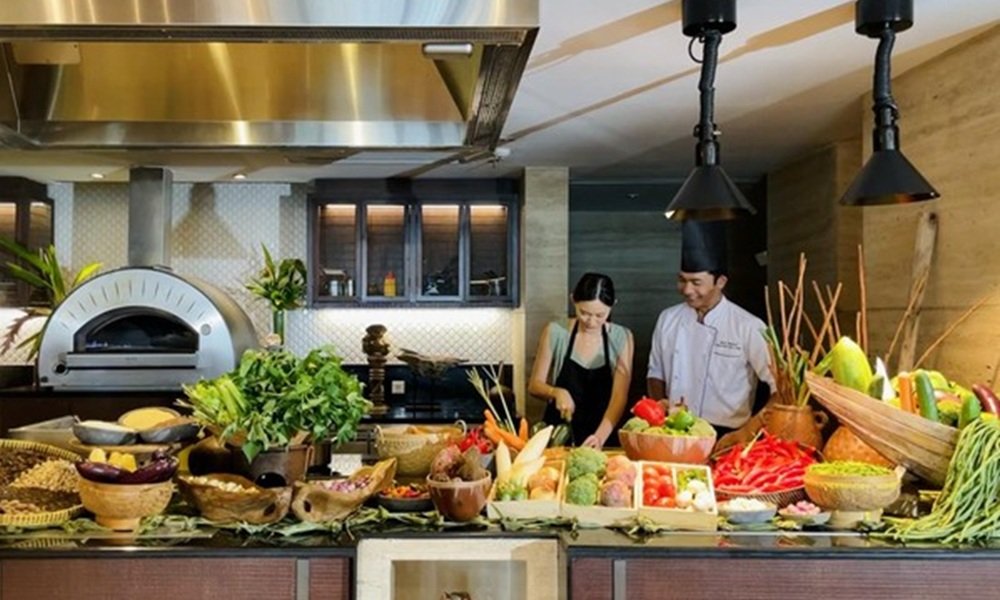
Morning vs Evening Bali Cooking Class
Choosing between a Morning vs Evening Bali Cooking Class can change the atmosphere, schedule, and overall character of your culinary Bali experiences. Both options can introduce you to Balinese cuisine, but they offer different advantages depending on your travel plans, energy levels, preferred pace, and interest in local food culture.
A morning class may feel more connected to the rhythm of the local market and daily food preparation. An evening session, on the other hand, can create a more relaxed experience after a day of exploring Bali.
Neither option is automatically better.
The right choice depends on what you want from the experience.
Morning vs Evening Bali Cooking Class: Which One Fits You?
The easiest way to decide is to consider what you want your cooking experience to feel like.
If you enjoy starting your day early, visiting local markets, and seeing fresh ingredients before they are prepared, a morning session may be ideal.
If you prefer sleeping later, spending the day sightseeing, and finishing your evening with a freshly prepared Balinese meal, an evening class may be more suitable.
Your accommodation location also matters.
A morning class may require an early departure, especially if transportation is included. An evening class might fit more naturally into an itinerary that begins with sightseeing or beach activities.
Think about your entire day rather than choosing a class based only on the cooking schedule.
Why Morning Classes Often Include Market Visits
One of the biggest advantages of choosing a morning cooking experience is the possibility of visiting a traditional market.
Local markets are typically most active early in the day.
Fresh vegetables, herbs, spices, fruits, meat, and seafood are brought in and displayed for shoppers.
This creates an atmosphere that is difficult to reproduce later in the afternoon.
If your Bali cooking class includes a market tour, you may walk through stalls with your instructor while learning to recognize ingredients used in Balinese cuisine.
You might see fresh turmeric, ginger, galangal, chilies, lemongrass, coconuts, and vegetables that are unfamiliar to you.
The instructor can explain what to look for and how different ingredients will be used during the cooking session.
For travelers interested in culture as well as food, this can make a morning class particularly rewarding.
The Energy of an Early Start
Morning cooking has a particular rhythm.
The air can feel cooler, the streets may be less crowded, and everyone tends to be starting the day with energy.
If you are the type of traveler who enjoys getting activities done early, a morning class can leave you with much of the afternoon still available.
You might finish the cooking experience around midday and then continue exploring Bali.
This makes it easier to combine the class with other activities.
You could spend the afternoon visiting temples, relaxing at the beach, exploring a village, or simply returning to your accommodation for a break.
For travelers with limited time in Bali, this can be a practical advantage.
What Is Special About an Evening Class?
Evening cooking classes have a different atmosphere.
The pace can feel more relaxed because there is no need to hurry toward the day’s next attraction.
Instead of beginning your day with cooking, you can spend your morning and afternoon doing other activities.
After sunset, you can head to the cooking venue and finish the day by preparing and enjoying a traditional meal.
This can be especially appealing after a busy sightseeing itinerary.
Rather than eating dinner at another restaurant, you are involved in preparing it yourself.
The experience becomes both an activity and a meal.
Morning Classes and Fresh Ingredients
Morning sessions may have another advantage: access to ingredients that are purchased early in the day.
Fresh produce can be selected while markets are active.
This does not mean evening classes use inferior ingredients.
Reputable cooking schools plan their menus and purchase ingredients according to their schedules.
However, if you particularly enjoy the market-to-kitchen concept, morning is usually the more natural choice.
You can see the ingredients before they are prepared and then recognize them later in the kitchen.
That creates a satisfying connection between what you see at the market and what eventually appears on your plate.
Evening Classes and a More Relaxed Pace
An evening class can feel less like an early appointment and more like a social experience.
You have already spent the day experiencing Bali.
Now you can slow down and concentrate on food.
The lighting, atmosphere, and cooler evening temperatures can also make outdoor or semi-outdoor cooking environments particularly enjoyable.
If the class includes dinner afterward, you do not have to worry about finding another restaurant.
You simply sit down and enjoy the food you have prepared.
For couples, friends, and travelers who enjoy leisurely evenings, this format can be especially attractive.
What About the Weather?
Bali’s tropical weather can influence your experience regardless of the time you choose.
Morning temperatures are generally more comfortable than the hottest part of the afternoon.
This can be an advantage if your class includes walking through a market or cooking in an open-air environment.
Evening temperatures are often more pleasant as the day cools.
However, rain can occur during either part of the day, particularly during the wet season.
If your class is held partly outdoors, ask the organizer about alternative arrangements in case of rain.
The time of day does not guarantee perfect weather.
Morning Classes for Early Risers
Some travelers naturally wake up early while on vacation.
If you are already awake at sunrise, a morning cooking class may fit your routine perfectly.
You can have breakfast, prepare for the class, and start the day with an active cultural experience.
Early risers often enjoy the feeling of having completed a meaningful activity before lunchtime.
The rest of the day remains open.
However, if you normally sleep late while traveling, forcing yourself into an early schedule may reduce your enjoyment.
A cooking class should be fun, not something you attend while exhausted.
Evening Classes for Night Owls
Travelers who prefer a slower morning may find an evening session much easier.
You can enjoy breakfast without rushing, explore Bali during daylight, and return to your accommodation before getting ready for the class.
This can be particularly useful for visitors who have spent the day on the beach or participating in another activity.
By evening, you may already have worked up an appetite.
The cooking session then becomes a natural transition into dinner.
For people who enjoy nighttime social activities, an evening class can also fit more comfortably into their travel style.
Family Considerations
Families should think about their children’s schedules before choosing between morning and evening.
Younger children may be more energetic earlier in the day.
An evening class can become challenging if it finishes close to bedtime.
Older children and teenagers may prefer an evening activity, especially if they are not enthusiastic about waking early.
Consider how long the class lasts and whether children are expected to stand and participate for several hours.
A shorter session may be better for younger participants.
Parents should also check whether the class is specifically family-friendly.
Morning Classes and Your Daily Itinerary
One advantage of a morning session is that it leaves the afternoon available.
This can be useful if you have several activities planned during your trip.
However, avoid scheduling something too demanding immediately after the class.
Cooking can be more physical than expected.
You may spend a couple of hours standing, chopping, grinding, stirring, and moving around.
If the class includes a market visit, you may also spend additional time walking.
A relaxed afternoon can therefore be a better follow-up than a tightly scheduled adventure.
Evening Classes After a Busy Day
An evening session can work well when cooking is your final planned activity.
You do not need to worry about rushing away afterward.
You can take your time preparing the dishes and then enjoy dinner.
This can make the experience feel like the conclusion of your day rather than another appointment.
For travelers who prefer spontaneous daytime plans, this is another advantage.
You can decide how to spend your morning and afternoon without needing to return to your accommodation early for a morning cooking class.
Which Option Is Better for Photography?
Photography is another consideration for some travelers.
Morning markets usually provide excellent opportunities to photograph colorful produce, local vendors, and daily activity.
Natural daylight can make market photography easier.
Evening classes can provide a different visual atmosphere.
Cooking areas may be illuminated with warm lighting, and the experience can feel more intimate.
If photography is important to you, ask the cooking school whether photography is allowed and whether there are restrictions around photographing market vendors or other participants.
Always respect local privacy.
Learning the Ingredients at Different Times of Day
The educational value of the class does not depend entirely on when it starts.
The instructor and curriculum matter much more.
A good class will explain why ingredients are used, how they are prepared, and how flavors are balanced.
Whether you learn this at 9 a.m. or 5 p.m., the culinary knowledge remains valuable.
However, a market-focused morning experience provides additional context because you can see ingredients being sold in their natural setting.
An evening class may instead put greater emphasis on the cooking and dining experience.
Does Morning or Evening Produce Better Food?
The time of day itself does not determine whether your meal will taste better.
The quality of ingredients, cooking techniques, instructor, menu, and preparation are much more important.
A well-run evening class can produce an excellent meal.
Likewise, a morning class can be disappointing if the instruction is poor.
When comparing options, do not assume that morning automatically means fresher food or that evening means a more authentic experience.
Look at the overall structure.
What will you cook?
Who teaches the class?
How many participants are included?
Is the experience hands-on?
Are ingredients included?
These questions provide much better clues about quality.
Private Versus Group Sessions
The choice between morning and evening can also depend on whether you book a private or group experience.
A private session may provide more flexibility.
You might be able to request a particular starting time, especially if the cooking school offers customized experiences.
Group classes usually follow a fixed schedule.
If you are traveling during a busy period, evening classes may have different availability from morning sessions.
Check the schedule before organizing the rest of your itinerary.
Couples: Morning or Evening?
For couples, the decision often comes down to the mood you prefer.
A morning Bali cooking class can feel energetic and adventurous.
You can explore a market together, prepare food, and then continue your day.
An evening session can feel more intimate.
You prepare dinner together and then sit down to enjoy it as the day winds down.
If you are celebrating a special occasion, an evening class may provide a particularly enjoyable atmosphere.
However, couples who prefer active daytime experiences may appreciate the morning format more.
Solo Travelers and Social Interaction
Solo travelers can enjoy either option.
Group cooking classes naturally create opportunities to meet other people because participants work together around the same kitchen.
Morning sessions may attract travelers who enjoy cultural activities early in the day.
Evening classes can sometimes feel more social because everyone is preparing a shared dinner.
If meeting other travelers is important to you, ask about the typical group size.
A small class can provide more opportunities for conversation than a large demonstration-style session.
What Should You Eat Before a Morning Class?
If you choose a morning cooking class, breakfast deserves some thought.
You do not want to arrive extremely hungry, but eating a very heavy meal immediately before cooking may make you uncomfortable.
A light breakfast can provide enough energy.
You will also have the opportunity to taste the food you prepare later.
Drink water before the class, particularly in Bali’s warm climate.
If the class includes a market walk, you may be outside for some time before reaching the kitchen.
What About Dinner After an Evening Class?
One of the biggest advantages of an evening cooking class is that the meal is often part of the experience.
You can prepare the dishes and then eat them immediately.
This eliminates the need to make a separate dinner reservation.
If you have dietary restrictions, confirm the menu beforehand.
You should also tell the instructor about allergies before cooking begins.
That allows the class to make appropriate arrangements.
Choosing Based on Your Travel Style
Ultimately, the best choice depends on how you travel.
Choose a morning session if you:
- Enjoy early starts
- Want to visit a local market
- Prefer cooler daytime conditions
- Want your afternoon free
- Like seeing ingredients before cooking
An evening session may be better if you:
- Prefer slow mornings
- Want to spend the day sightseeing
- Enjoy relaxed evening activities
- Want cooking to become your dinner
- Prefer a more leisurely atmosphere
There is no universal winner.
Your schedule and personality should guide the decision.
A Practical Way to Decide
If you are still unsure, look at your Bali itinerary first.
Do you have a busy morning planned?
Choose evening.
Do you have a free morning but an important evening reservation?
Choose morning.
Are you particularly interested in traditional markets?
Morning is probably the better option.
Do you want a relaxed dinner experience?
Consider evening.
This simple approach usually makes the decision much easier.
Choosing between a Morning vs Evening Bali Cooking Class is ultimately about the experience you want rather than which time is objectively better.
Morning classes can offer an energetic start, access to traditional market experiences, and the freedom to spend your afternoon elsewhere. Evening classes provide a slower atmosphere and can naturally combine cooking with dinner after a day of sightseeing.
Both can introduce you to Balinese ingredients, techniques, and food culture.
Before booking, consider the class format, location, duration, menu, group size, and your own daily schedule.
If you want a more detailed picture of the experience itself, our guide What to Expect in a Bali Cooking Class explains the typical process, from arriving at the venue to preparing and enjoying your finished dishes.