

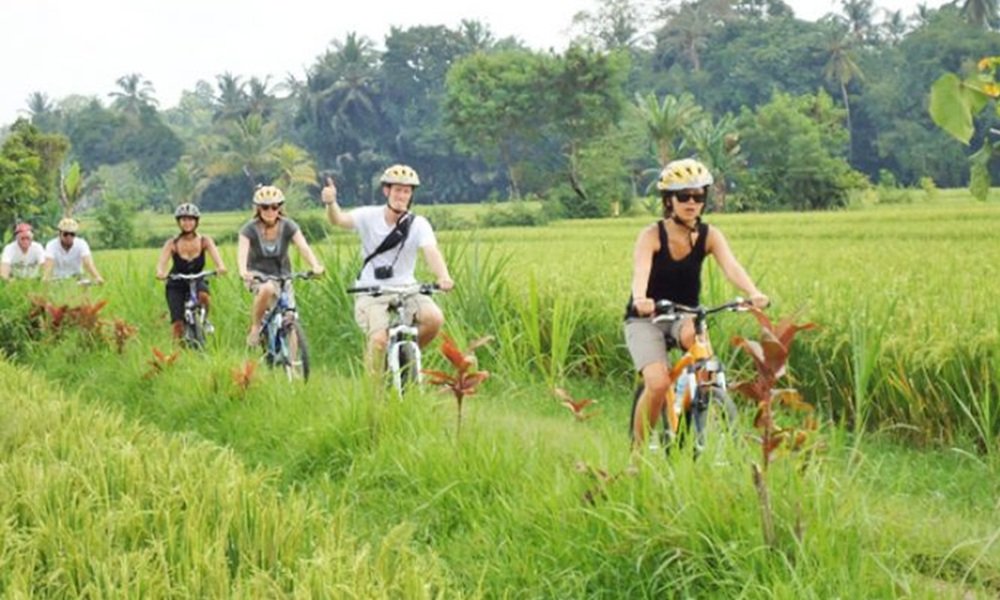
Best Cycling Routes in Bali
Exploring Bali on two wheels offers a completely different perspective from traveling by car or motorcycle. Whether you’re pedaling through emerald rice terraces, quiet mountain villages, volcanic landscapes, or coastal roads, discovering the Best Cycling Routes in Bali allows you to experience the island at a slower pace while enjoying its rich culture and breathtaking scenery. Cycling tours have become increasingly popular among travelers because they combine outdoor adventure, light exercise, and opportunities to visit places that larger vehicles often cannot reach.
Bali is blessed with diverse terrain, making it suitable for cyclists of all skill levels. Beginners can enjoy gentle downhill rides through traditional villages, while experienced riders may seek challenging mountain climbs and long-distance road cycling adventures. Along the way, you’ll pass ancient temples, tropical forests, coffee plantations, local markets, and panoramic viewpoints that showcase the island’s remarkable natural beauty.
Why the Best Cycling Routes in Bali Appeal to Every Traveler
Unlike many outdoor activities that require extensive experience, cycling in Bali can be adapted to different ages, fitness levels, and travel preferences.
Some visitors choose leisurely sightseeing tours, while others look for more demanding rides across mountainous terrain. Professional cycling operators offer various itineraries, allowing everyone to enjoy the island in a comfortable and enjoyable way.
Popular reasons travelers choose cycling include:
- Exploring authentic Balinese villages
- Enjoying scenic countryside landscapes
- Experiencing local culture up close
- Staying active during vacation
- Accessing quiet roads away from heavy traffic
- Discovering hidden viewpoints
- Supporting eco-friendly tourism
The flexibility of cycling makes it one of Bali’s most rewarding outdoor adventures.
Ubud: Bali’s Most Famous Cycling Destination
When discussing cycling in Bali, Ubud almost always tops the list.
Surrounded by rice terraces, forests, temples, and traditional villages, Ubud offers countless routes suitable for recreational cyclists.
Many guided tours begin in the cooler highlands north of Ubud before following gentle downhill roads toward the cultural center.
Along the route, riders often encounter:
- Traditional family compounds
- Rice terraces
- Small Hindu temples
- Local artisans
- Bamboo forests
- Coffee plantations
Because much of the route is downhill, these tours are accessible even for people who don’t cycle regularly.
Kintamani to Ubud: The Classic Downhill Adventure
One of Bali’s most popular cycling experiences begins in Kintamani, overlooking Mount Batur and Lake Batur.
Starting at a higher elevation means riders spend much of the journey descending gradually toward Ubud.
Highlights of this route include:
- Spectacular volcano views
- Cool mountain temperatures
- Quiet village roads
- Tropical farmland
- Traditional Balinese architecture
- Scenic rice fields
This combination of dramatic scenery and relatively easy riding explains why the route remains a favorite among international visitors.
Jatiluwih Rice Terraces
Recognized for its extraordinary landscape, Jatiluwih offers one of Bali’s most peaceful cycling environments.
Wide-open rice fields stretch across rolling hills, creating a relaxing atmosphere far removed from the island’s busiest tourist areas.
Cyclists can enjoy:
- UNESCO-recognized rice terraces
- Fresh mountain air
- Gentle countryside roads
- Traditional irrigation systems
- Minimal traffic
- Panoramic viewpoints
Photography enthusiasts especially appreciate the endless shades of green visible throughout the route.
Sidemen Valley
Travelers seeking a quieter alternative to Ubud often choose Sidemen.
This beautiful valley remains relatively untouched by mass tourism, offering cyclists a chance to experience authentic rural Bali.
The route features:
- Rice paddies
- Coconut groves
- Small farming communities
- River crossings
- Traditional weaving villages
- Views toward Mount Agung
Because traffic is generally light, many cyclists consider Sidemen one of Bali’s hidden gems.
Mount Batur Surroundings
Adventure seekers looking for more challenging terrain often head toward Mount Batur.
Cycling around the volcanic region combines cooler temperatures with unforgettable scenery.
Depending on the route, riders may experience:
- Lava fields
- Mountain viewpoints
- Forest roads
- Lakeside villages
- Volcanic landscapes
- Rolling hills
Some experienced cyclists even combine Bali cycling tour with other outdoor activities available around Kintamani.
Sanur Coastal Cycling Path
Not every cycling route in Bali involves hills or mountain roads.
Sanur offers a paved beachfront cycling path that is ideal for beginners, families, and anyone looking for a relaxing ride.
This route provides:
- Ocean views
- Flat terrain
- Sunrise scenery
- Beachfront cafés
- Public parks
- Easy navigation
Morning rides are particularly enjoyable before temperatures rise later in the day.
Canggu Countryside Roads
Although Canggu is famous for surfing, the surrounding countryside offers enjoyable cycling opportunities away from the busy beach clubs.
Quiet backroads wind through:
- Rice fields
- Small villages
- Local cafés
- Traditional temples
- Tropical gardens
- Scenic irrigation canals
Early morning is generally the best time to ride before traffic increases.
East Bali Coastal Routes
Eastern Bali offers some of the island’s most dramatic scenery.
Cyclists traveling through this region enjoy coastal landscapes combined with mountain backdrops.
Popular highlights include:
- Black sand beaches
- Fishing villages
- Quiet coastal highways
- Ocean viewpoints
- Traditional salt farms
- Beautiful sunrise scenery
The relatively peaceful atmosphere makes East Bali especially attractive for long-distance recreational rides.
Village Roads Reveal Bali’s Authentic Character
One of the greatest advantages of cycling is the ability to slow down and appreciate everyday Balinese life.
Rather than rushing between attractions, cyclists can observe:
- Farmers working in rice fields
- Children walking to school
- Local ceremonies
- Small roadside temples
- Family-owned shops
- Traditional farming activities
These authentic encounters often become some of the most memorable moments of the entire journey.
Cycling Offers an Eco-Friendly Way to Explore
As sustainable tourism becomes increasingly important, cycling provides an environmentally responsible way to discover Bali.
Compared with motorized transportation, bicycles:
- Produce no direct emissions
- Create very little noise
- Reduce traffic congestion
- Encourage slower, more meaningful travel
- Allow easier interaction with local communities
Many travelers appreciate knowing their adventure has a smaller environmental footprint while still allowing them to experience some of the island’s most beautiful landscapes.Ba
Choosing the Right Route for Your Fitness Level
One of the reasons cycling has become such a popular activity on the island is the variety of routes available. The Best Cycling Routes in Bali include everything from gentle downhill rides to challenging mountain climbs, allowing every traveler to find an adventure that matches their ability.
Beginner-Friendly Routes
If you’re new to cycling or simply want a relaxed day outdoors, choose routes with gradual descents and minimal traffic.
Excellent options include:
- Kintamani to Ubud
- Sanur Beach cycling path
- Village roads around Ubud
- Jatiluwih countryside loops
These routes focus more on sightseeing than physical endurance.
Intermediate Cyclists
Riders with some experience often enjoy routes featuring rolling hills and longer distances.
Suitable choices include:
- Sidemen Valley
- East Bali coastal roads
- Tabanan countryside
- Northern Ubud backroads
These areas provide a balance between scenic beauty and moderate physical challenge.
Experienced Cyclists
Advanced riders looking for demanding climbs can explore Bali’s volcanic regions and mountainous interior.
Popular challenges include:
- Mount Batur highland roads
- Kintamani mountain climbs
- Bedugul highland routes
- Mount Agung foothill roads
These rides reward strong cyclists with spectacular panoramic views and cooler mountain temperatures.
The Best Time of Day to Ride
Timing plays an important role in making your cycling experience comfortable.
Early Morning
Morning is widely considered the ideal time for cycling.
Benefits include:
- Cooler temperatures
- Less traffic
- Fresh mountain air
- Better wildlife activity
- Beautiful morning light
- Comfortable riding conditions
Many guided tours begin shortly after sunrise for these reasons.
Late Afternoon
Afternoon rides can also be enjoyable, especially near the coast.
Advantages include:
- Softer sunlight
- Cooler temperatures
- Golden-hour photography
- Relaxed atmosphere
However, always allow enough daylight to finish your ride safely.
Seasonal Considerations
Bali can be explored by bicycle throughout the year, although weather conditions influence the riding experience.
Dry Season
Generally lasting from April through October, the dry season offers:
- Dry roads
- Excellent visibility
- Comfortable humidity
- Reliable weather
- Easier climbing conditions
This is the busiest period for cycling tours.
Rainy Season
Cycling remains possible during the wetter months, but riders should prepare for changing conditions.
Expect:
- Occasional showers
- Wet roads
- Lush green scenery
- Fewer tourists
- Cooler air after rainfall
A lightweight rain jacket is a useful addition during this season.
Wildlife and Nature Along the Routes
Cycling allows travelers to appreciate Bali’s natural environment in a way that faster transportation cannot.
Depending on the region, you may encounter:
- White herons in rice fields
- Butterflies
- Tropical flowers
- Coconut plantations
- Bamboo forests
- Small rivers
- Local farm animals
Because bicycles move quietly, wildlife often remains undisturbed, making nature encounters even more enjoyable.
Cultural Experiences Along the Journey
Cycling isn’t only about scenery—it also provides meaningful cultural experiences.
Many routes pass through villages where visitors can observe:
- Traditional Balinese compounds
- Daily temple offerings
- Local markets
- Family-run workshops
- Community ceremonies
- Farmers tending rice terraces
These authentic moments help travelers develop a deeper appreciation for Bali’s traditions and everyday life.
What to Bring on Your Ride
Packing wisely helps ensure a comfortable and enjoyable cycling adventure.
Essential items include:
- Refillable water bottle
- Sunscreen
- Sunglasses
- Lightweight backpack
- Comfortable athletic clothing
- Closed-toe sports shoes
- Small towel
- Camera or smartphone
If you’re joining a guided tour, many operators also provide drinking water and safety equipment.
Safety Tips for Cyclists
Even on quiet village roads, following basic safety practices is important.
Always remember to:
- Wear a properly fitted helmet.
- Stay alert to road conditions.
- Follow your guide’s instructions.
- Ride at a comfortable speed.
- Keep a safe distance from other cyclists.
- Signal before changing direction.
- Slow down when approaching villages or intersections.
Responsible riding allows everyone in the group to enjoy the journey safely.
Guided Tours vs Independent Cycling
Both options offer unique advantages.
Guided Cycling Tours
Many visitors prefer organized tours because they include:
- Local guides
- Route planning
- Safety support
- Bicycle rental
- Hotel transfers
- Cultural explanations
Guided tours are especially helpful for first-time visitors unfamiliar with Bali’s roads.
Independent Cycling
Experienced cyclists sometimes prefer exploring independently.
This allows greater flexibility to:
- Stop whenever desired
- Choose personalized routes
- Set your own pace
- Visit lesser-known locations
However, careful planning and navigation are essential when cycling without a guide.
Why Cycling Creates Lasting Memories
Unlike traveling inside a vehicle, cycling encourages deeper interaction with the destination.
You’ll notice details often missed by faster transportation, including:
- The scent of tropical flowers
- Farmers greeting visitors
- Temple bells in village communities
- Gentle breezes through rice terraces
- Children waving from roadside villages
- Fresh mountain air
These simple experiences transform an ordinary sightseeing trip into a meaningful journey through Bali’s landscapes and culture.
Whether you choose peaceful coastal paths, volcanic highlands, or quiet countryside roads, every route offers its own unique character. The diversity found across the island ensures that no two Bali cycling tour adventures are exactly alike, making it easy to understand why cycling continues to rank among Bali’s most rewarding outdoor activities.
Exploring the Best Cycling Routes in Bali is one of the most rewarding ways to discover the island beyond its famous beaches and resorts. Every route offers something unique, whether it’s the cool volcanic scenery of Kintamani, the tranquil rice terraces of Jatiluwih, the cultural heart of Ubud, or the peaceful coastline of East Bali. Cycling allows you to slow down, breathe in the fresh air, and connect with the island’s landscapes and communities in a way that motorized transportation simply cannot match.
Another land adventures of cycling is its flexibility. Beginners can enjoy relaxed downhill routes with stunning scenery, while experienced cyclists can challenge themselves on mountain roads and longer-distance rides. Regardless of your skill level, choosing the right route, preparing properly, and riding responsibly will make your adventure both enjoyable and memorable.
Beyond the physical activity, cycling creates opportunities for authentic cultural encounters. Passing through traditional villages, greeting local residents, stopping at family-owned cafés, and observing daily life in the countryside add meaningful moments that many travelers remember long after returning home. If you’re looking for an outdoor activity that combines adventure, sightseeing, wellness, and sustainability, cycling is an excellent addition to any Bali itinerary.
Frequently Asked Questions
What are the best cycling routes in Bali for beginners?
Some of the most beginner-friendly options include the Kintamani to Ubud downhill route, the Sanur beachfront cycling path, village roads around Ubud, and scenic rides through the Jatiluwih rice terraces.
When is the best time to go cycling in Bali?
The dry season, generally from April to October, offers the most reliable weather and road conditions. Early morning rides are ideal because temperatures are cooler and traffic is lighter.
Do I need to be physically fit for a cycling tour?
Not necessarily. Many cycling tours are designed for casual riders and include mostly downhill routes. More challenging mountain routes are also available for experienced cyclists.
What should I bring on a cycling trip?
Essential items include comfortable sportswear, closed-toe shoes, sunscreen, sunglasses, a refillable water bottle, and a camera or smartphone. Most guided tours also provide helmets and bicycles.
Are guided cycling tours worth it?
Yes. Guided tours often include hotel transfers, professional guides, bicycle rental, safety equipment, refreshments, and insights into Bali’s culture and history, making them an excellent option for first-time visitors.
Can children join cycling tours in Bali?
Many operators offer family-friendly routes suitable for children, particularly downhill tours with gentle terrain. Age and height requirements may vary depending on the tour provider.
Exploring the Best Cycling Routes in Bali gives travelers the opportunity to experience breathtaking scenery, authentic village life, and unforgettable outdoor adventures at a relaxed pace. From volcanic highlands to coastal pathways and lush rice terraces, every route reveals a different side of the Island of the Gods. Before joining another exciting outdoor activity, you may also find the Bali Horse Riding Safety Guide helpful for learning practical tips to enjoy a safe and comfortable horseback riding experience.