

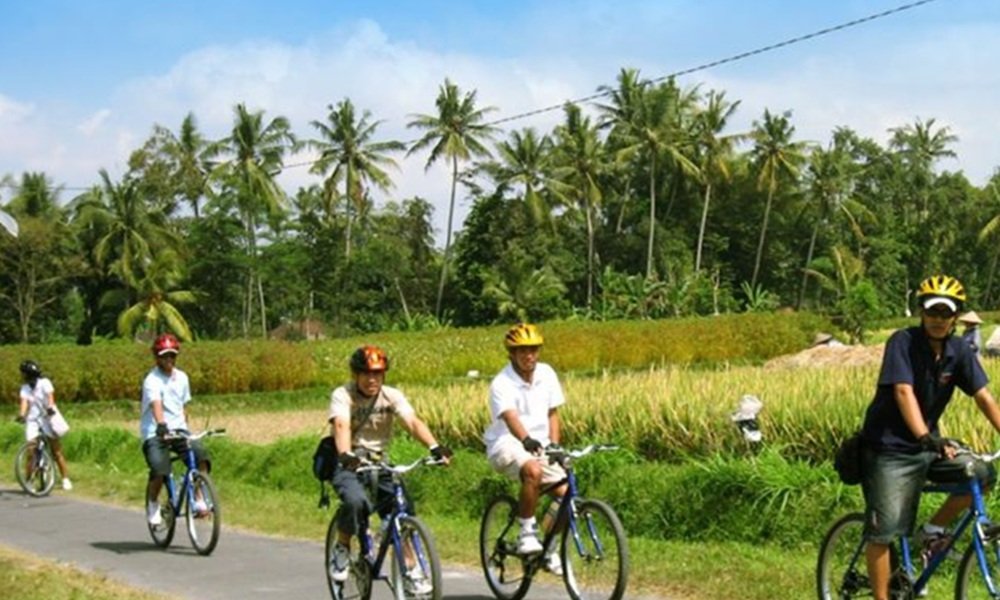
What to Bring on a Bali Cycling Tour
Preparing for a cycling adventure is about more than simply renting a bicycle and wearing comfortable clothes. Knowing what to bring on a Bali cycling tour helps you stay comfortable, safe, and ready for changing weather and road conditions while exploring one of Indonesia’s most scenic destinations. Whether you’re riding through lush rice terraces, volcanic highlands, peaceful villages, or picturesque coastal roads, packing the right essentials allows you to enjoy every moment without unnecessary interruptions.
One of the biggest advantages of joining a guided cycling tour in Bali is that most operators provide high-quality bicycles, helmets, refreshments, and experienced local guides. However, there are still several personal items that only you can prepare. From sun protection and hydration to photography equipment and lightweight clothing, every item in your day bag contributes to a smoother and more enjoyable experience. Fortunately, you don’t need to carry much. Smart packing focuses on practical essentials rather than unnecessary gear.
Why Knowing What to Bring on a Bali Cycling Tour Is Important
Bali’s tropical environment offers land adventures tour, but it also presents conditions that travelers should prepare for. Warm temperatures, occasional rain showers, strong sunshine, and varying terrain all influence what you should pack before heading out.
Bringing the right items helps you:
- Stay comfortable throughout the ride
- Protect yourself from the sun
- Remain hydrated
- Prepare for changing weather
- Capture memorable photographs
- Reduce unnecessary stress during the tour
Packing efficiently also keeps your backpack light, allowing you to cycle comfortably for several hours.
Comfortable Clothing Comes First
The clothing you choose has a significant impact on your overall cycling experience.
Lightweight, breathable fabrics help regulate body temperature while allowing unrestricted movement.
Recommended clothing includes:
- Moisture-wicking athletic shirts
- Lightweight cycling shorts or sports pants
- Breathable socks
- Comfortable underwear designed for active movement
- Lightweight windbreaker during cooler mornings
Avoid heavy cotton clothing, as it absorbs sweat and dries slowly in humid conditions.
Wear Proper Footwear
Your shoes should provide both comfort and stability.
Most cycling tours involve occasional stops where you’ll walk through villages, viewpoints, or cafés, so choose footwear suitable for both riding and walking.
Ideal options include:
- Athletic sneakers
- Trail running shoes
- Lightweight hiking shoes
Avoid:
- Flip-flops
- High heels
- Sandals without secure straps
- Heavy boots
Closed-toe shoes offer better grip on the pedals and greater protection throughout the ride.
Don’t Forget Your Helmet
Most professional cycling tour operators provide certified helmets as part of the tour package.
Before starting your ride:
- Check the fit.
- Adjust the chin strap.
- Ensure the helmet sits level on your head.
- Ask for another size if necessary.
A properly fitted helmet significantly improves safety and should be worn throughout the entire ride.
Bring Plenty of Water
Hydration is one of the most important aspects of any outdoor activity in Bali.
Although many guided tours include bottled drinking water, carrying your own refillable bottle provides additional peace of mind.
Drinking water regularly helps:
- Prevent dehydration
- Improve concentration
- Reduce fatigue
- Maintain physical performance
- Keep you comfortable in warm temperatures
Take small sips frequently instead of waiting until you feel thirsty.
Sunscreen Is Essential
Even on cloudy days, Bali’s tropical sun can be surprisingly strong.
Apply sunscreen before leaving your accommodation and reapply if your ride lasts several hours.
Pay particular attention to:
- Face
- Neck
- Ears
- Arms
- Legs if exposed
Choosing a broad-spectrum sunscreen with adequate SPF helps protect your skin throughout the journey.
Sunglasses Improve Comfort
Cycling under bright tropical sunlight can quickly become uncomfortable without eye protection.
Quality sunglasses help reduce:
- Sun glare
- Eye strain
- Dust
- Small insects
- Wind irritation
Polarized lenses are especially useful for reducing glare on roads and open landscapes.
A Small Backpack Works Best
Instead of carrying a large travel backpack, choose a compact daypack that fits comfortably while riding.
A small backpack can easily hold:
- Water bottle
- Phone
- Wallet
- Sunscreen
- Camera
- Small towel
- Snacks
Keeping your bag light helps maintain balance and reduces shoulder fatigue during longer rides.
Pack a Lightweight Rain Jacket
Bali’s weather can change quickly, especially during the rainy season.
A compact waterproof jacket takes up very little space but can be invaluable during unexpected showers.
Look for a jacket that is:
- Lightweight
- Breathable
- Easy to fold
- Quick drying
Most riders only need it occasionally, but it’s reassuring to have when conditions change.
Bring a Camera or Smartphone
Cycling allows you to visit places inaccessible to larger vehicles, creating countless opportunities for photography.
Popular subjects include:
- Rice terraces
- Volcanoes
- Tropical forests
- Village life
- Traditional temples
- Mountain scenery
- Local markets
Ensure your device is fully charged before the tour begins.
A portable power bank can also be useful if you expect to take many photos or videos throughout the day.
Carry a Small Towel
A compact microfiber towel is one of the simplest yet most useful items you can pack.
It can be used for:
- Drying sweat
- Wiping bicycle handlebars after rain
- Cleaning your hands
- Drying after unexpected showers
Because microfiber towels dry quickly, they are ideal for tropical adventures.
Personal Medication
If you take prescription medication or occasionally require items such as allergy tablets or pain relievers, keep them in your daypack.
Consider bringing:
- Personal prescriptions
- Allergy medication
- Motion sickness tablets if needed during transfers
- Basic adhesive bandages
Professional guides carry emergency supplies, but personal medication should always remain your responsibility.
Cash for Small Purchases
Although many businesses now accept digital payments, some small village shops and roadside cafés still prefer cash.
Having a small amount available can be useful for:
- Fresh coconut drinks
- Coffee stops
- Local snacks
- Handmade souvenirs
- Small donations at community attractions
Carry only what you expect to need and store it securely in a waterproof wallet or zippered pocket.
Pack Healthy Snacks for Extra Energy
Most guided cycling tours include refreshments or lunch, but carrying a light snack is still a good idea, especially if you have specific dietary preferences or need an energy boost during longer rides.
Good snack choices include:
- Granola bars
- Bananas
- Mixed nuts
- Dried fruit
- Protein bars
- Crackers
Avoid foods that melt easily or become messy in warm weather.
Insect Repellent Can Be Helpful
Many cycling routes pass through rice fields, forests, plantations, and riverside trails where insects are naturally present.
Applying insect repellent before the ride helps reduce the chance of mosquito bites, particularly if you’re cycling:
- Early in the morning
- Late in the afternoon
- Near water
- Through tropical vegetation
A travel-sized spray or lotion easily fits inside a small backpack.
Waterproof Protection for Electronics
Tropical weather can change unexpectedly, making it wise to protect your valuables.
Useful waterproof items include:
- Dry bag
- Waterproof phone pouch
- Zip-lock bags
- Waterproof wallet
These simple accessories protect electronics from rain, dust, and accidental splashes.
Bring Identification
While you probably won’t need your passport during the ride, carrying some identification is recommended.
Options include:
- Driver’s license
- National ID card
- Copy of your passport
- Digital copy stored securely on your phone
Keep identification in a waterproof holder for added protection.
Portable Power Bank
Cycling tours often inspire travelers to take dozens of photos and videos throughout the day.
Using navigation apps, translation tools, and cameras can quickly reduce battery life.
A compact power bank allows you to:
- Recharge your phone
- Power an action camera
- Keep emergency communication available
- Continue photographing throughout the tour
Choose a lightweight model that fits easily into your backpack.
Extra Clothing for After the Tour
Many travelers continue sightseeing after completing their cycling adventure.
Packing a fresh change of clothes provides additional comfort after several hours outdoors.
Useful items include:
- Clean T-shirt
- Fresh socks
- Lightweight shorts
- Casual sandals for after the ride
Changing into dry clothing before returning to your hotel or visiting another attraction often feels refreshing.
What You Usually Don’t Need
One common mistake is bringing far more than necessary.
Most cycling tours already provide essential equipment, meaning there’s no need to carry bulky items.
You can usually leave behind:
- Large camera bags
- Heavy jackets
- Multiple water bottles
- Laptop computers
- Large umbrellas
- Thick books
- Extra shoes
Traveling light makes the ride significantly more enjoyable.
Packing Tips for Families
Families participating in a cycling tour should consider a few additional essentials.
Helpful items include:
- Extra snacks for children
- Wet wipes
- Small first-aid supplies
- Child-sized sunscreen
- Extra drinking water
- Lightweight spare clothing
Children often become thirsty more quickly during outdoor activities, so regular hydration is especially important.
Packing According to the Season
Although Bali is a year-round destination, your packing list may vary slightly depending on the weather.
Dry Season
During the dry months, prioritize:
- Sunscreen
- Sunglasses
- Lightweight clothing
- Refillable water bottle
- Sun hat for breaks
Dry roads generally make cycling especially enjoyable.
Rainy Season
During wetter months, consider adding:
- Compact rain jacket
- Waterproof backpack cover
- Extra socks
- Waterproof phone case
- Quick-drying clothing
Being prepared for occasional rain allows you to continue enjoying the experience comfortably.
Organizing Your Backpack Efficiently
How you pack matters almost as much as what you pack.
Place frequently used items where they’re easy to reach.
A practical arrangement might include:
Front pocket:
- Sunscreen
- Lip balm
- Insect repellent
Main compartment:
- Rain jacket
- Water bottle
- Small towel
- Snacks
Secure pocket:
- Phone
- Wallet
- Identification
- Keys
Good organization minimizes unnecessary stops during the ride.
Ask Your Tour Operator What’s Included
Before packing, check what your cycling provider already supplies.
Many professional Bali cycling tours include:
- Bicycle
- Helmet
- Hotel transfers
- Bottled water
- Lunch
- Local guide
- Entrance fees
- Insurance (depending on the package)
Knowing what’s provided helps you avoid carrying duplicate items.
The Best Packing Strategy
The best approach is simple: bring only items that genuinely improve your comfort or safety.
Ask yourself whether each item is:
- Lightweight
- Useful
- Easy to carry
- Necessary for the day’s activities
A carefully packed day bag allows you to focus on the ride rather than managing unnecessary belongings.
Ultimately, knowing what to bring on a Bali cycling tour isn’t about packing more—it’s about packing smarter. With comfortable clothing, proper hydration, sun protection, and a few well-chosen essentials, you’ll be ready to enjoy Bali’s scenic countryside, volcanic landscapes, traditional villages, and unforgettable cycling routes with confidence and ease.
Preparing what to bring on a Bali cycling tour doesn’t require expensive equipment or professional cycling gear. The key is to pack practical items that improve your comfort, safety, and overall enjoyment throughout the journey. Lightweight clothing, comfortable footwear, a properly fitted helmet, sunscreen, sunglasses, and enough drinking water are the essentials that help you stay focused on the scenery instead of the tropical climate.
Packing efficiently also allows you to move more freely during the ride. A compact backpack containing only the necessities makes cycling through Bali’s rice terraces, traditional villages, volcanic landscapes, and coastal roads much more comfortable. Whether you’re joining a relaxed downhill tour or exploring rolling countryside routes, carrying the right items ensures you’re prepared for changing weather, sightseeing opportunities, and memorable photo stops.
Most importantly, remember that the best cycling experiences come from traveling light while staying well prepared. By organizing your belongings wisely and understanding what your tour operator already provides, you can spend less time worrying about logistics and more time appreciating Bali’s breathtaking landscapes, welcoming communities, and rich cultural heritage.
Frequently Asked Questions
Do I need to bring my own helmet?
No. Most professional cycling tour operators in Bali provide certified helmets as part of the tour package. Make sure the helmet fits properly before starting your ride.
How much water should I bring?
A reusable water bottle is usually sufficient, especially since many guided tours also provide bottled drinking water. Staying hydrated throughout the ride is highly recommended.
Should I carry a backpack?
Yes, but choose a small and lightweight daypack. It should be large enough to carry your personal essentials without becoming uncomfortable during the ride.
Is sunscreen necessary even on cloudy days?
Absolutely. Bali’s tropical UV levels remain high even when the sky is overcast. Applying sunscreen before the ride and reapplying when needed helps protect your skin.
Can I bring a camera?
Yes. Bali’s cycling routes offer countless opportunities for photography. A smartphone or lightweight camera is ideal, and a waterproof pouch provides additional protection.
What clothes are best for a cycling tour?
Wear breathable athletic clothing, comfortable shorts or lightweight pants, moisture-wicking fabrics, and closed-toe sports shoes. These provide comfort while allowing unrestricted movement throughout the ride.
Knowing what to bring on a Bali cycling tour helps you enjoy every stage of the adventure with greater comfort and confidence. Packing practical essentials such as breathable clothing, proper footwear, sun protection, hydration, and a few personal items allows you to focus on Bali’s spectacular scenery instead of worrying about unexpected situations. If you’re planning your first ride, don’t miss our guide to Bali Cycling Tour for Beginners to learn what to expect and how to make the most of your cycling experience.