

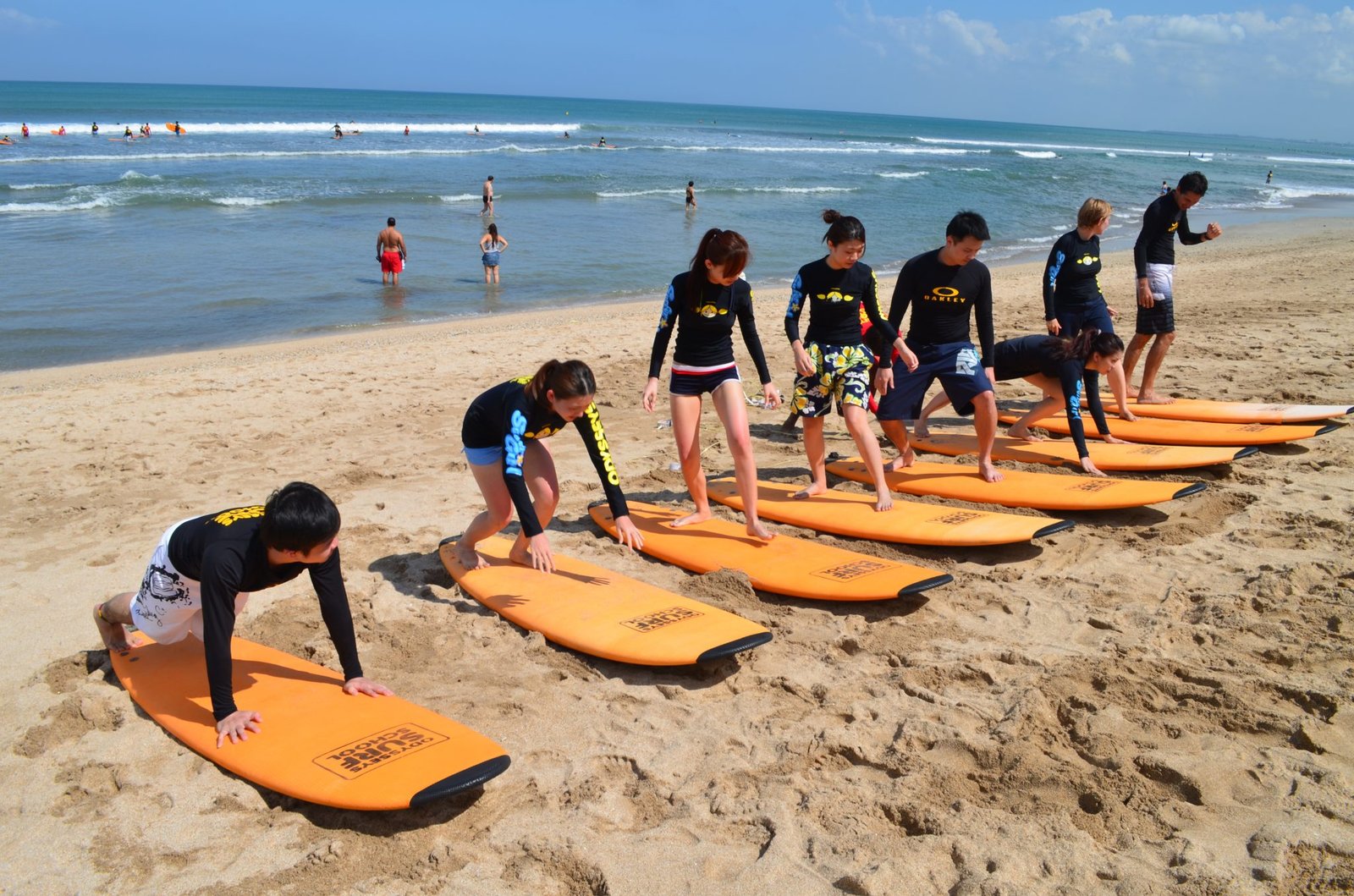
Best Time of Year for Surfing in Bali
The Best Time of Year for Surfing in Bali depends on what kind of waves you want, where you plan to surf, and how much experience you have. Bali has surfable conditions throughout much of the year, but seasonal winds, swells, rainfall, tides, and individual beach characteristics can make one period considerably better than another for a particular type of surfer.
For experienced Bali surf lessons, the most important consideration may be wave quality and consistency. Beginners usually have different priorities. Smaller, cleaner waves and manageable conditions can be more useful than powerful surf.
Understanding Bali’s seasonal pattern before booking your trip can therefore help you choose the right beach, the right month, and potentially the right time of day for your surfing plans.
Best Time of Year for Surfing in Bali by Season
Bali generally experiences two main seasons: the dry season and the wet season.
The dry season typically runs from around April through October, while the wet season generally occurs from November through March. These dates are not rigid, and conditions can vary from year to year.
The dry season is widely associated with favorable surfing conditions on Bali’s west coast. Offshore or cross-offshore winds can help produce cleaner waves, particularly in the morning before winds become stronger.
The wet season brings different patterns. Wind direction changes, rainfall increases, and beaches on the east and southeast sides of the island can become more attractive for surfers depending on the conditions.
This seasonal variety is one of Bali’s advantages. You are not limited to one coastline throughout the year.
April: A Transition Month
April can be an interesting month for surfers because it sits between the wetter months and the more established dry season.
Rainfall often begins decreasing, although showers can still occur. Winds are also transitioning, which means conditions can vary considerably from one day to another.
For travelers who want a combination of surfing and sightseeing without visiting during the busiest part of the dry season, April can be appealing.
West coast beaches may begin producing increasingly consistent conditions as the season develops.
However, April should not be treated as a guaranteed dry month. Weather patterns do not follow an exact calendar, and individual weeks can feel quite different.
For intermediate surfers, the changing conditions can provide variety. Beginners should pay more attention to the daily forecast and surf report than the month itself.
May and June: Increasingly Consistent Conditions
May and June are often attractive months for surfers who want relatively reliable conditions without necessarily traveling during the peak summer period.
The dry season becomes more established, and rainfall generally decreases.
The west coast can offer increasingly clean waves, particularly when winds cooperate. These months can also be comfortable for travelers who want to combine surfing with other activities around Bali.
June is particularly popular among surfers because conditions can become more consistent while the island has not yet reached the height of the July and August holiday period.
If you are planning several surf sessions, these months can provide a good balance between wave opportunities and general travel conditions.
Still, the best beach depends on your ability. A powerful reef break that looks impressive in photographs may not be appropriate for a first-time surfer.
July and August: Peak Dry Season
For many surfers, July and August represent some of the most anticipated months of the year.
The weather is generally dry, humidity can feel lower than during the wet season, and the west coast often receives quality swell.
This is a major reason Bali becomes busy with surfers from around the world during these months.
Experienced surfers may enjoy the combination of regular swell and favorable winds.
However, popularity has a downside: crowded lineups.
Well-known surf breaks can become extremely busy, especially around popular areas of the Bukit Peninsula and southwest Bali.
Beginners should not automatically assume that peak surf season is the best period for learning. Larger swells and crowded conditions can make some locations considerably more challenging.
If you are new to surfing, choose your beach based on conditions rather than chasing the biggest waves.
September: A Strong Alternative to Peak Summer
September is often overlooked by travelers who automatically associate July and August with Bali’s best surf.
Yet September can offer many of the same dry-season advantages.
The weather is generally still favorable, while some of the intense peak-season crowds may begin to ease.
Surf conditions on suitable west coast breaks can remain excellent.
For travelers who want a combination of surfing, sightseeing, and a slightly less hectic atmosphere, September can be a particularly attractive option.
Intermediate and advanced surfers can find plenty of opportunities, while beginners can select sheltered or smaller-wave locations when conditions permit.
September can therefore be an excellent compromise between surf quality and overall travel experience.
October: Another Transition Period
October marks the beginning of another seasonal transition for Bali experiences.
Rainfall gradually becomes more frequent, although the month can still provide plenty of good surfing days.
Wind patterns begin changing, and this can influence which coastline offers the cleanest waves.
The advantage of October is flexibility. Depending on the day, surfers may find suitable conditions in different parts of the island.
The disadvantage is unpredictability.
If your entire vacation depends on having perfect surf every day, a transition month requires a more flexible attitude.
For travelers who have other interests in Bali, however, October can work very well. A rainy afternoon does not necessarily ruin a surf-focused trip if you have enough days available to wait for better conditions.
November to March: The Wet Season
The wet season is sometimes described as the less desirable surfing period, but that oversimplifies Bali’s surf calendar.
The island continues to receive waves, and some beaches can actually become more attractive during this period because of seasonal wind patterns.
The east coast and southeast-facing areas can provide useful alternatives when the west coast is affected by unfavorable winds.
Rain is the biggest difference.
Tropical showers can be heavy but relatively short, and not every day is completely wet from morning to evening.
If you are willing to work around changing weather, the wet season can still provide enjoyable surfing opportunities.
Another advantage is that some locations may feel less crowded than during the height of the dry season.
Best Time of Year for Surfing in Bali for Beginners
For beginners, the answer is more complicated than simply choosing the month with the biggest swell.
New surfers need manageable waves and enough space to practice.
During the dry season, west coast beaches can receive powerful surf. That may be fantastic for experienced riders but overwhelming for someone learning to stand on a board.
A beginner-friendly location with smaller waves is usually more important than visiting during peak swell season.
Morning sessions can also be useful because wind conditions are sometimes calmer earlier in the day.
However, there is no universal “beginner hour.” Tide and swell direction can change the quality of a beach dramatically.
The best approach is to ask a local instructor which beach and time are appropriate for your current ability.
Best Time of Year for Surfing in Bali for Experienced Surfers
Experienced surfers generally have more options.
They can choose between reef breaks, beach breaks, and more powerful waves depending on swell direction and wind.
For many advanced surfers, the dry season is particularly appealing because of the quality of waves along the west and southwest coasts.
The Bukit Peninsula is especially well known for powerful surf and internationally recognized breaks.
However, experienced surfers also understand that conditions change.
A large swell can transform a familiar break into something substantially more demanding.
Local knowledge remains valuable even for highly skilled surfers, particularly when dealing with unfamiliar currents, reef conditions, and crowded lineups.
How Swell Direction Changes Your Options
One of the most important concepts in surfing is swell direction.
Waves do not arrive equally at every beach.
A beach may be completely flat while another location on the island is receiving excellent waves.
This happens because coastlines face different directions and respond differently to incoming swell.
Bali’s geographic position allows surfers to move around the island in search of suitable conditions.
This is one reason a flexible itinerary can be more useful than choosing one beach and committing to it for the entire vacation.
If conditions are poor at your preferred location, another coastline may offer better possibilities.
Wind Conditions Matter More Than Many Beginners Realize
Wind can dramatically change the quality of a wave.
Light or favorable winds can create clean, organized waves, while strong onshore winds can produce messy conditions.
The dry season is often associated with winds that favor certain west coast breaks, which contributes to the popularity of that period.
During the wet season, wind patterns shift and can make other coastlines more attractive.
For this reason, the Best Time of Year for Surfing in Bali cannot be determined by temperature or rainfall alone.
A warm, sunny day can still produce poor surfing conditions if the wind is unfavorable.
Conversely, a cloudy morning may produce excellent waves.
Surfers therefore pay attention to wind direction as much as the appearance of the sky.
Does the Tide Affect Surfing in Bali?
Yes.
Tide can significantly affect the way a wave breaks.
Some beaches work better around low tide, while others become more suitable as the tide rises. Reef breaks can be particularly sensitive to tide because water depth changes the way waves interact with the reef.
Beach breaks can also change considerably as sandbars shift.
This means a surf spot that looks perfect at one moment may become less attractive a few hours later.
If you are unfamiliar with the area, avoid assuming that you can arrive at any time and expect identical conditions.
Local surf schools and experienced surfers can provide useful guidance about the appropriate tide for a particular location.
Morning Versus Afternoon Surfing
Many surfers prefer early morning sessions.
Winds are often lighter during the morning, which can help create cleaner waves.
There is also something special about being in the water early, before the beach becomes busy and the tropical heat becomes stronger.
However, afternoon sessions can also work well when conditions cooperate.
The ideal time depends on the beach, tide, wind, and swell.
Rather than following a fixed rule such as “always surf before breakfast,” check the actual conditions for the day.
A local instructor can help you determine whether an early session or later session makes more sense.
Crowds and the Surfing Calendar
Surf quality is not the only consideration when choosing a travel period.
Crowds can significantly influence your experience.
July and August are especially popular with international travelers, which means famous surf breaks can become busy.
For advanced surfers, crowded lineups require greater awareness and stronger knowledge of surfing etiquette.
For beginners, too many surfers can make learning more stressful.
Having more space allows you to concentrate on your technique without constantly worrying about other boards and riders.
If avoiding crowds is important to you, consider traveling outside the peak holiday periods or choosing less famous locations with suitable conditions.
Should You Plan Your Entire Trip Around Surfing?
That depends on your goals.
If surfing is the primary reason for visiting Bali, building a flexible schedule around swell and weather can make sense.
If you are visiting for a general vacation and simply want to surf several times, you have more flexibility.
One useful strategy is to avoid booking every day with fixed activities.
Leave a few open mornings so you can take advantage of good surf when conditions appear.
This approach is particularly valuable during transitional months when weather can change quickly.
You can surf when conditions are good and explore other attractions when the ocean is less cooperative.
What Is the Best Month Overall?
There is no universally perfect month.
If your priority is reliable dry weather and quality west coast surf, the middle of the dry season is often attractive.
If you want good conditions with potentially fewer peak-season crowds, May, June, September, or early October may be worth considering.
If you are a beginner, the most important factor is not the calendar but the combination of beach, tide, swell, and wind on the day you plan to surf.
If you are an experienced surfer seeking larger and more powerful waves, the dry season may provide more opportunities along Bali’s famous west and southwest coast.
Your personal definition of “best” determines the answer.
Planning Around the Weather
Weather forecasts are useful, but tropical conditions can change quickly.
Do not cancel a surf trip simply because a forecast shows rain.
A forecast for rain does not necessarily mean continuous rainfall all day.
Likewise, sunshine does not guarantee good waves.
For surfing, combine several pieces of information: swell size, swell direction, wind, tide, rainfall, and local conditions.
The more days you have in Bali, the easier it becomes to wait for a favorable combination.
A five-day trip gives you fewer opportunities to adjust than a two-week surfing holiday.
Choosing Your Bali Surfing Season
When deciding on the Best Time of Year for Surfing in Bali, start with your experience level and preferred type of waves.
Beginners should prioritize safety, manageable surf, and professional instruction.
Intermediate surfers can look for opportunities to progress into stronger conditions while still choosing breaks appropriate for their ability.
Advanced surfers can build their itinerary around swell forecasts and the characteristics of specific breaks.
The season provides the general framework, but daily conditions ultimately determine whether a particular session will be worthwhile.
That is why experienced surfers rarely rely on a calendar alone.
The Best Time of Year for Bali surf lessons is not one specific date on the calendar.
The dry season from approximately April through October is particularly popular for west coast surfing, with July and August often delivering highly sought-after conditions for experienced surfers. Meanwhile, the wet season from November through March can still provide worthwhile sessions, particularly when surfers explore alternative coastlines.
For beginners, the ideal period is less about chasing the biggest swell and more about finding suitable waves on the day.
The smartest approach is to remain flexible. Check local conditions, pay attention to tide and wind, choose a beach that matches your ability, and listen to local instructors.
Bali’s greatest advantage is its variety. When conditions change on one coastline, another part of the island may offer a completely different surfing experience.
If you are preparing for your first session, make sure you are properly equipped before heading into the water. Our guide What to Bring to Your First Surf Lesson covers the practical items and preparation tips that can make your first surfing experience more comfortable.