

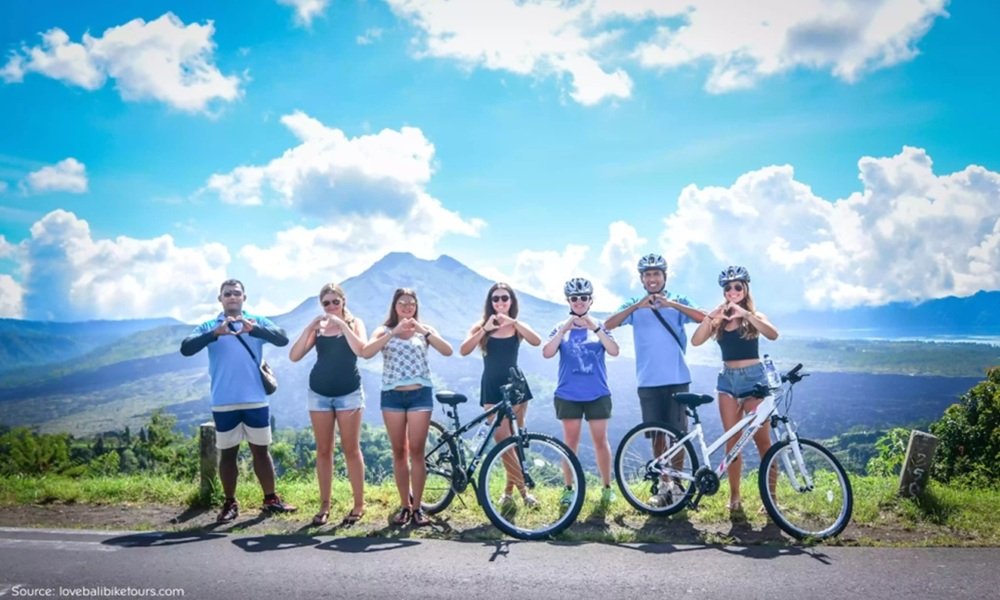
Best Time for Cycling in Bali
Choosing the Best Time for Cycling in Bali can make a significant difference in your overall experience. While Bali is a year-round destination with a tropical climate, weather conditions, temperature, humidity, and even the time of day all influence how enjoyable your cycling adventure will be. Whether you’re planning a leisurely ride through emerald rice terraces, a scenic downhill journey from the volcanic highlands, or a longer countryside route, selecting the right time allows you to enjoy cooler temperatures, clearer skies, and breathtaking scenery.
Unlike some destinations that have short cycling seasons, Bali offers excellent riding opportunities throughout the year. However, each season provides its own advantages. The dry months generally offer sunny weather and dry roads, while the rainy season transforms the landscape into an incredibly lush green paradise. Understanding these seasonal differences helps travelers choose the cycling experience that best matches their expectations.
Why the Best Time for Cycling in Bali Matters
Weather conditions affect more than just comfort. They also influence visibility, road surfaces, photography opportunities, and overall safety.
Choosing the right time allows cyclists to enjoy:
- Cooler temperatures
- Less humidity
- Better mountain views
- Comfortable road conditions
- Safer descents
- More enjoyable sightseeing
- Excellent photography lighting
Planning your ride carefully ensures that every kilometer becomes part of an unforgettable adventure.
Bali’s Tropical Climate
Bali enjoys warm temperatures throughout the year, making cycling possible during every season.
Average daytime temperatures generally range between:
- 26°C to 31°C (79°F to 88°F) in coastal areas
- Slightly cooler temperatures in the highlands
- Refreshing mornings in mountainous regions
Higher elevations such as Kintamani often feel noticeably cooler than beach destinations, making them ideal starting points for cycling tours.
The Dry Season
The dry season is often considered the most popular period for outdoor adventures.
Typically lasting from April through October, this season offers reliable weather that attracts cyclists from around the world.
Advantages include:
- Sunny skies
- Dry roads
- Lower humidity
- Excellent visibility
- Comfortable riding conditions
- Beautiful sunrise views
These conditions make longer cycling routes much more enjoyable.
Why the Dry Season Is Popular
During the dry months, cyclists spend less time worrying about changing weather and more time appreciating Bali’s spectacular land adventures.
Popular routes become especially attractive because they feature:
- Crystal-clear volcano views
- Bright green rice terraces
- Comfortable village roads
- Dry mountain trails
- Pleasant morning temperatures
Photographers also appreciate the stable weather and vibrant natural colors.
Cycling During the Rainy Season
The rainy season usually extends from November through March.
Although some travelers avoid these months, many experienced cyclists still enjoy riding during this period.
Benefits include:
- Lush green landscapes
- Fewer tourists
- Cooler air after rainfall
- Peaceful countryside
- Dramatic cloud formations
Rain showers often occur in the afternoon, while mornings remain relatively suitable for cycling.
Is the Rainy Season a Bad Time?
Not at all.
Rain in Bali rarely lasts continuously throughout the day.
Many mornings begin with:
- Calm weather
- Comfortable temperatures
- Clear visibility
- Fresh air
Short tropical showers may occur later, especially in the afternoon.
Experienced tour operators monitor weather forecasts carefully and adjust departure times whenever necessary.
Best Time of Day to Cycle
Beyond choosing the right season, the time of day also affects your experience.
Most professional cycling tours begin early in the morning.
Reasons include:
- Cooler temperatures
- Less traffic
- Better lighting
- Fresh mountain air
- Increased wildlife activity
- Comfortable riding conditions
Early departures allow participants to complete much of the ride before midday heat develops.
Sunrise Rides
Cycling shortly after sunrise offers one of Bali’s most beautiful outdoor experiences.
Morning rides provide:
- Golden sunlight
- Crisp mountain air
- Quiet roads
- Peaceful villages
- Stunning photography conditions
Many travelers consider sunrise the most magical time to experience Bali’s countryside.
Midday Cycling
Although cycling remains possible around midday, the tropical sun becomes considerably stronger.
Challenges include:
- Higher temperatures
- Increased humidity
- Stronger sunlight
- Greater risk of dehydration
If riding during these hours, cyclists should:
- Drink water frequently
- Wear sunscreen
- Use sunglasses
- Take regular breaks
Most organized tours avoid the hottest part of the day whenever possible.
Late Afternoon Adventures
Late afternoon offers another pleasant opportunity for cycling, especially near coastal regions.
Advantages include:
- Softer sunlight
- Cooler temperatures
- Beautiful golden-hour scenery
- Relaxed atmosphere
Some independent cyclists enjoy ending the day with sunset rides through quieter village roads or beachfront paths.
Best Months for Volcano Views
Cyclists interested in panoramic mountain scenery often prefer the drier months.
During these periods, destinations around Mount Batur frequently offer:
- Clear volcanic landscapes
- Excellent visibility
- Cooler temperatures
- Spectacular sunrise photography
Cloud cover is generally lighter during early mornings, creating ideal conditions for scenic rides through Bali’s highlands.
Seasonal Changes in the Countryside
One fascinating aspect of cycling in Bali is how dramatically the scenery changes throughout the year.
Depending on the season, you’ll encounter:
- Newly planted rice fields
- Bright green terraces
- Golden harvest landscapes
- Flowering tropical vegetation
- Misty mountain forests
Each season creates a completely different visual experience, encouraging many returning visitors to explore Bali cycling tour more than once.
How Weather Affects Different Cycling Routes
The Best Time for Cycling in Bali also depends on where you plan to ride. Bali’s diverse geography means weather conditions can vary considerably between coastal areas, central villages, and mountainous regions.
For example:
- Highland routes remain cooler throughout the day.
- Coastal rides become warmer much earlier.
- Forest trails stay shaded for longer periods.
- Open rice fields receive stronger sunlight by late morning.
Understanding these regional differences helps you choose the most comfortable departure time.
Best Season for Mountain Cycling
The volcanic regions around Kintamani are among Bali’s most famous cycling destinations.
During the dry season, riders can enjoy:
- Crisp mountain air
- Panoramic views of Mount Batur
- Dry downhill roads
- Excellent visibility
- Comfortable temperatures
Because many tours begin at higher elevations, participants often spend several hours riding in pleasant weather before descending toward warmer areas.
Best Season for Rice Terrace Cycling
Cycling through Bali’s iconic rice terraces is rewarding throughout the year, but each season creates a different atmosphere.
During the Growing Season
Visitors often enjoy:
- Bright green rice fields
- Fresh irrigation channels
- Active farming activities
- Vibrant tropical landscapes
During Harvest Season
The scenery changes dramatically with:
- Golden rice fields
- Traditional harvesting
- Dry pathways
- Unique photography opportunities
Both periods provide unforgettable experiences for nature lovers.
Coastal Cycling Throughout the Year
Beachfront cycling routes remain accessible during every season.
Popular coastal destinations include:
- Sanur
- Candidasa
- Amed
- Lovina
Morning rides along the coast offer:
- Ocean breezes
- Sunrise views
- Quiet roads
- Comfortable temperatures
As the day progresses, coastal humidity and sunshine become noticeably stronger.
Wind Conditions
Wind is another factor worth considering when planning a cycling adventure.
Morning hours generally feature:
- Calmer conditions
- Easier riding
- Better balance
- More comfortable climbing
Afternoon sea breezes become stronger in some coastal regions, creating additional resistance for cyclists.
Experienced riders may enjoy the challenge, while beginners often appreciate calmer morning conditions.
Tourist Seasons and Cycling
Weather isn’t the only factor affecting your experience.
Visitor numbers also influence the atmosphere along popular routes.
Peak Tourist Season
Typically coinciding with the dry months, expect:
- More cycling groups
- Busier attractions
- Greater demand for tours
- Advanced reservations recommended
Despite larger crowds, Bali’s countryside still offers plenty of peaceful roads.
Low Season
Traveling during quieter months provides:
- Fewer visitors
- More relaxed sightseeing
- Easier booking availability
- Peaceful village experiences
Many photographers prefer this quieter atmosphere.
Morning Mist Creates Magical Scenery
In Bali’s highlands, early mornings sometimes begin with gentle mist drifting across valleys and rice fields.
This creates breathtaking scenes featuring:
- Soft morning light
- Fog-covered forests
- Dramatic volcano silhouettes
- Peaceful rural landscapes
These conditions are particularly popular among landscape photographers seeking unique images.
Wildlife Is More Active Early
Cycling shortly after sunrise also increases your chances of observing Bali’s wildlife.
You may encounter:
- Colorful tropical birds
- Butterflies
- Ducks in rice paddies
- Dragonflies
- Squirrels
- Farm animals beginning their day
The peaceful atmosphere adds another dimension to the cycling experience.
Choosing the Right Month
Although cycling is enjoyable year-round, different months appeal to different travel styles.
If your priorities include:
Excellent weather:
- May
- June
- July
- August
- September
Greener landscapes:
- November
- December
- January
- February
Balanced conditions:
- April
- October
Each period offers its own unique advantages.
Preparing for Seasonal Weather
Packing according to the season makes every ride more comfortable.
Dry Season Essentials
Bring:
- Sunscreen
- Sunglasses
- Lightweight clothing
- Water bottle
- Lip balm
Rainy Season Essentials
Add:
- Compact rain jacket
- Waterproof phone pouch
- Quick-drying clothing
- Extra socks
- Waterproof backpack cover
Simple preparation helps you stay comfortable regardless of weather conditions.
Flexibility Improves Your Experience
Even during the dry season, occasional showers are possible.
Likewise, many rainy-season mornings remain beautifully clear.
Rather than focusing solely on the forecast, remain flexible.
Professional cycling operators often:
- Adjust departure times
- Modify routes if necessary
- Monitor weather updates
- Prioritize rider safety
This flexibility allows travelers to enjoy excellent cycling conditions throughout the year.
Planning Around Other Activities
Many visitors combine cycling with other Bali experiences.
A popular itinerary might include:
Day one:
- Cycling through the countryside
- Visiting coffee plantations
- Traditional Balinese lunch
Day two:
- White water rafting
- ATV adventure
- Horse riding
- Temple sightseeing
Scheduling physically demanding activities on separate days helps you stay energized throughout your vacation.
Finding Your Personal Best Time
Ultimately, the Best Time for Cycling in Bali depends on your personal preferences.
If you value sunshine, dry roads, and crystal-clear mountain views, the dry season is likely your ideal choice.
If you prefer quieter surroundings, vibrant green landscapes, and don’t mind the possibility of occasional tropical showers, the rainy season offers a wonderfully peaceful alternative.
Whichever season you choose, starting your ride early in the morning, preparing appropriately, and selecting a route suited to your experience level will help you enjoy one of Bali’s most memorable outdoor adventures.
Finding the Best Time for Cycling in Bali is less about discovering a single perfect month and more about choosing conditions that match your travel preferences. Bali’s tropical climate makes cycling possible throughout the year, with each season offering its own unique Bali cycling tour advantages. The dry season is ideal for travelers seeking sunny skies, clear mountain views, and reliable road conditions, while the rainy season rewards visitors with lush green landscapes, fewer crowds, and a peaceful countryside atmosphere.
Equally important is selecting the right time of day. Early morning rides consistently provide the most comfortable temperatures, lighter traffic, and beautiful natural lighting for sightseeing and photography. Starting your adventure shortly after sunrise also allows you to experience Bali’s villages and rice fields as local life begins, creating a more authentic connection with the island.
Whether you choose to cycle through the volcanic highlands of Kintamani, the UNESCO-listed rice terraces of Jatiluwih, the cultural villages around Ubud, or the scenic coastal roads of East Bali, proper planning ensures a safer and more enjoyable experience. By considering seasonal weather, route conditions, and your own comfort level, you’ll be well prepared to enjoy one of Bali’s most rewarding outdoor adventures.
Frequently Asked Questions
What is the best month for cycling in Bali?
Many travelers consider May through September the best months because they typically offer dry weather, comfortable temperatures, and excellent visibility. However, cycling is enjoyable year-round with proper planning.
Can I go cycling during the rainy season?
Yes. Morning conditions are often suitable for cycling, even during the rainy season. Professional tour operators monitor the weather and may adjust departure times or routes when necessary.
What is the best time of day for a cycling tour?
Early morning is the ideal time. Cooler temperatures, lighter traffic, fresh air, and soft natural lighting create the most enjoyable riding conditions.
Is cycling in Bali too hot?
Not if you start early. Many tours begin in the cooler highlands, and the downhill routes help maintain a comfortable riding experience before the midday heat develops.
Which area offers the best cycling scenery?
Popular cycling destinations include Kintamani, Ubud, Jatiluwih, Sidemen, and East Bali. Each region features different landscapes, from volcanic mountains and rice terraces to traditional villages and coastal views.
Should I book my cycling tour in advance?
During the dry season and holiday periods, booking in advance is recommended because guided cycling tours often reach full capacity, especially in popular destinations.
Choosing the Best Time for Cycling in Bali helps you enjoy cooler temperatures, spectacular scenery, and the most comfortable riding conditions throughout your adventure. Whether you visit during the sunny dry season or the lush green rainy months, careful planning will make your cycling experience even more memorable. If you’re still deciding between two popular outdoor activities, read our comparison of Bali Cycling Tour vs ATV Adventure to find the adventure that best suits your travel style.