

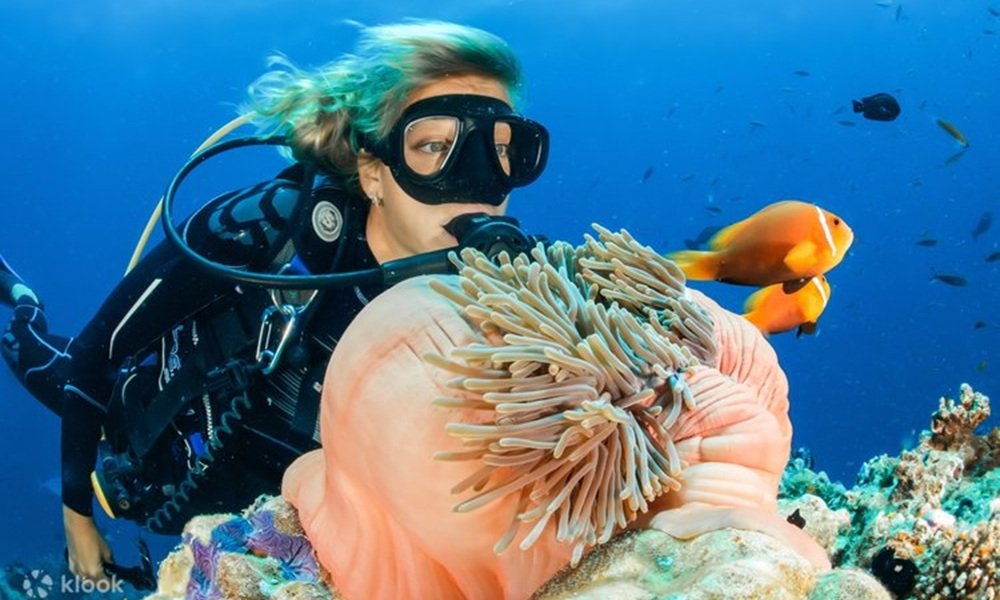
Bali Diving Experience vs Snorkeling
Imagine standing on a beautiful white-sand beach in Bali, looking out over crystal-clear turquoise water while wondering whether you should go scuba diving or simply snorkel. Many travelers face this exact decision before planning their water adventures. Bali Diving Experience vs Snorkeling is one of the most common comparisons among visitors because both activities offer unforgettable opportunities to explore Bali’s vibrant underwater world. While they share similarities, each provides a completely different perspective of marine life, making it important to understand which one best suits your interests, comfort level, and travel goals.
Bali has earned a global reputation as one of Southeast Asia’s premier marine tourism destinations. The island is surrounded by coral reefs, colorful tropical fish, sea turtles, manta rays, and even historic shipwrecks. Whether you’re an experienced ocean enthusiast or someone who has never worn a mask before, Bali offers incredible underwater adventures suitable for every skill level.
Choosing between scuba diving and snorkeling isn’t about deciding which activity is better. Instead, it’s about discovering which experience matches your expectations. Some travelers want the excitement of exploring deeper reefs, while others simply enjoy floating comfortably on the surface while admiring colorful coral gardens below.
By comparing both activities, you’ll be able to make an informed decision before booking your next Bali adventure.
Understanding the Difference in Bali Diving Experience vs Snorkeling
Although both activities allow you to enjoy Bali’s underwater beauty, they are fundamentally different in terms of equipment, depth, training, and the overall experience.
Snorkeling keeps you floating on the water’s surface using a mask, snorkel, and fins. Your face remains underwater while you breathe naturally through the snorkel tube.
Bali diving, on the other hand, allows you to descend beneath the surface using specialized equipment that supplies compressed air. Divers can spend extended periods underwater, swimming among coral reefs while observing marine life from a completely different perspective.
The differences become even more significant when considering accessibility, marine encounters, physical requirements, and the sense of adventure each activity provides.
What Is a Bali Diving Experience?
Scuba diving opens an entirely new world beneath the ocean.
Instead of looking down from the surface, divers become part of the underwater environment itself. After a safety briefing and equipment fitting, participants descend gradually with a certified instructor, allowing them to explore coral reefs, underwater rock formations, sandy bottoms, and occasionally famous shipwrecks.
Many first-time divers are surprised by the peaceful feeling that develops once they become comfortable breathing underwater.
A typical Bali diving experience often includes:
- Professional dive instructor
- Safety orientation
- Complete scuba equipment
- Boat or shore access
- Guided underwater exploration
- Marine life identification
- Underwater photography opportunities
Unlike many adventure activities, scuba diving emphasizes relaxation rather than speed. Slow breathing and calm movement allow divers to conserve energy while observing marine life naturally.
For many travelers, their very first dive becomes one of the most memorable moments of their Bali vacation.
What Is Snorkeling?
Snorkeling offers a much simpler way to experience Bali’s marine ecosystem.
Participants wear only basic equipment consisting of a mask, snorkel, and fins before floating comfortably on the ocean’s surface.
Looking downward through remarkably clear water reveals colorful coral formations, tropical fish, sea stars, and countless other marine creatures.
One reason snorkeling remains so popular is its accessibility.
There is no certification required.
Minimal instruction is needed.
Children and adults alike can participate.
Many snorkeling tours begin with only a brief equipment demonstration before guests enter the water.
Because participants remain at the surface, snorkeling is often considered a relaxing family-friendly activity suitable for virtually every traveler.
Equipment Comparison
One of the biggest distinctions in Bali Diving Experience vs Snorkeling involves the amount of equipment required.
Scuba Diving Equipment
A complete scuba setup includes several specialized components designed to keep divers safe underwater.
Essential gear includes:
- Mask
- Fins
- Buoyancy Control Device (BCD)
- Regulator
- Air cylinder
- Pressure gauge
- Dive computer
- Wetsuit
- Weight system
Professional dive operators maintain and inspect this equipment regularly before every dive.
Snorkeling Equipment
Snorkeling requires only a few simple items:
- Mask
- Snorkel
- Fins
- Optional life jacket
- Optional flotation device
Because the equipment is lightweight and easy to use, beginners usually become comfortable within minutes.
Exploring Different Depths
Perhaps the most obvious difference between the two activities is depth.
Snorkelers remain on the water’s surface while observing the reef below.
Although visibility in Bali can exceed 20 meters, you only experience the ocean from above.
Scuba divers, however, descend directly into the underwater environment.
Depending on certification level and local regulations, beginner dives often remain between 5 and 12 meters, while certified divers may explore significantly deeper locations.
This difference changes nearly every aspect of the experience.
Divers swim alongside marine life.
Snorkelers observe marine life from above.
Neither approach is wrong—they simply provide different perspectives.
Marine Life Encounters
Bali is home to extraordinary biodiversity.
Regardless of which activity you choose, you’ll likely encounter an impressive variety of underwater creatures.
Common sightings include:
- Clownfish
- Butterflyfish
- Blue tangs
- Moorish idols
- Sea turtles
- Angelfish
- Triggerfish
- Parrotfish
- Sea stars
- Giant clams
However, scuba diving generally allows closer encounters because divers move quietly through the water rather than remaining at the surface.
Some marine animals naturally stay deeper, making them easier to observe during a dive.
Snorkelers, meanwhile, often enjoy spectacular views of shallow coral gardens filled with colorful reef fish just beneath the surface.
The Feeling Underwater
The emotional experience differs dramatically between snorkeling and scuba diving.
Snorkeling feels light, playful, and refreshing.
You float effortlessly while sunlight dances across the coral below.
Whenever needed, you simply lift your head above the surface to breathe normally.
Scuba diving creates a completely different sensation.
The moment you descend, outside sounds disappear.
Breathing becomes slow and rhythmic.
Weightlessness replaces gravity.
Many divers describe the experience as peaceful, almost meditative, because every movement becomes calm and deliberate.
Rather than merely observing the underwater world, you become immersed within it.
This unique feeling is one of the primary reasons many travelers choose scuba diving after first trying snorkeling.
Cost Comparison
Budget is often an important factor when choosing between these two activities. Although prices vary depending on the operator, location, and package inclusions, snorkeling is generally more affordable than scuba diving.
A typical snorkeling package usually includes:
- Snorkeling equipment
- Boat transportation (if required)
- Guide
- Life jacket
- Drinking water
- Hotel transfers on selected packages
Scuba diving packages typically include:
- Full scuba equipment
- Certified dive instructor
- Safety briefing
- Training session for beginners
- One or two guided dives
- Boat transportation or shore entry
- Refreshments
- Insurance with many reputable operators
While diving costs more because of the equipment and professional supervision involved, many travelers consider it worthwhile because it provides a completely different level of exploration.
Learning Curve
Another major factor in Bali Diving Experience vs Snorkeling is how quickly you can begin enjoying the activity.
Snorkeling requires very little preparation. Most people become comfortable after only a few minutes of practice. Learning how to clear your mask, breathe through the snorkel, and use your fins efficiently is usually enough to start exploring shallow reefs.
Scuba diving involves a more structured introduction.
First-time divers participate in a safety briefing where instructors explain:
- Breathing techniques
- Equipment operation
- Equalizing ear pressure
- Underwater communication
- Emergency procedures
- Buoyancy control
Fortunately, beginner programs such as Discover Bali Diving are specifically designed for people with no previous experience.
Professional instructors remain beside participants throughout the dive, making the learning process both enjoyable and reassuring.
Physical Requirements
Both activities are suitable for a wide range of travelers, but their physical demands differ.
Snorkeling
Snorkeling requires:
- Basic swimming ability
- Comfortable floating in the water
- Moderate physical effort
- Minimal endurance
Since participants remain at the surface, they can rest whenever necessary.
Scuba Diving
Scuba diving requires:
- Reasonable overall health
- Comfort in the water
- Ability to follow instructions
- Slow, controlled breathing
Contrary to popular belief, scuba diving is not an extreme sport. Divers move slowly, conserving energy while maintaining buoyancy underwater.
Most healthy adults can safely enjoy introductory diving after completing a medical questionnaire.
Safety Considerations
Safety should always be your highest priority when participating in any marine activity.
Fortunately, Bali has numerous professional operators that maintain high international standards.
For snorkeling, safety recommendations include:
- Wear a properly fitted life jacket if needed.
- Stay within designated snorkeling areas.
- Avoid touching coral reefs.
- Never snorkel alone.
- Follow your guide’s instructions.
- Be aware of changing tides.
For scuba diving, additional safety procedures include:
- Complete the safety briefing carefully.
- Never hold your breath underwater.
- Ascend slowly with your instructor.
- Equalize your ears regularly.
- Monitor your air supply.
- Stay close to your dive guide.
Choosing a licensed and experienced operator greatly increases both safety and enjoyment.
Which Marine Animals Can You See?
One of the biggest reasons travelers debate Bali Diving Experience vs Snorkeling is the opportunity to encounter Bali’s remarkable marine life.
Fortunately, both activities provide excellent wildlife viewing.
During snorkeling trips, you may see:
- Clownfish
- Sergeant majors
- Butterflyfish
- Blue tangs
- Sea turtles
- Sea stars
- Giant clams
- Colorful coral gardens
Scuba divers often encounter all of the above, plus additional species that usually remain deeper.
Examples include:
- Reef sharks
- Eagle rays
- Large moray eels
- Leaf scorpionfish
- Frogfish
- Garden eels
- Octopus
- Cuttlefish
- Schools of barracuda
Although wildlife sightings are never guaranteed, scuba diving generally offers longer and closer interactions with marine creatures.
Best Places for Snorkeling in Bali
Several snorkeling destinations are perfect for beginners and families.
Blue Lagoon
Located near Padang Bai, Blue Lagoon is famous for calm water and excellent visibility.
Its shallow coral gardens make it easy to observe tropical fish from the surface.
Amed
Amed offers beautiful snorkeling directly from the beach.
Colorful coral reefs begin only a short distance from shore, making it convenient for visitors who prefer independent exploration.
Menjangan Island
Known for crystal-clear water and healthy coral reefs, Menjangan Island provides one of Bali’s most scenic snorkeling experiences.
The visibility here often exceeds expectations, allowing snorkelers to appreciate vibrant reef ecosystems.
Nusa Penida
Certain bays around Nusa Penida offer incredible snorkeling opportunities, including the chance to see manta rays during the appropriate season.
Professional guides select snorkeling sites based on weather and sea conditions to maximize both safety and enjoyment.
Best Places for Scuba Diving
Bali also features world-class diving destinations suitable for both beginners and certified divers.
Tulamben
Home to the famous USAT Liberty Shipwreck, Tulamben is one of Bali’s most iconic dive sites.
The shallow sections of the wreck are accessible to beginner divers under instructor supervision.
Amed
Beyond snorkeling, Amed also offers excellent shore diving with calm conditions and impressive biodiversity.
Many Open Water certification courses take place here.
Padang Bai
Besides Blue Lagoon, Padang Bai features several dive sites where beginners can gradually build confidence while enjoying healthy coral reefs.
Menjangan Island
The island’s spectacular walls, abundant marine life, and calm conditions make it an unforgettable destination for underwater exploration.
Photography Opportunities
Underwater photography has become increasingly popular among Bali visitors.
Snorkeling offers excellent opportunities to capture:
- Coral reefs
- Tropical fish
- Crystal-clear water
- Friends swimming above colorful reefs
- Surface reflections
Scuba diving opens even more creative possibilities.
Divers can photograph:
- Shipwrecks
- Coral walls
- Macro marine life
- Sea turtles at eye level
- Schools of fish
- Underwater landscapes
Many dive operators also provide professional underwater photography services, allowing guests to focus entirely on enjoying their experience.
Who Should Choose Snorkeling?
Snorkeling may be the ideal option if you:
- Have limited vacation time.
- Prefer a relaxed activity.
- Are traveling with young children.
- Feel uncomfortable underwater.
- Want an affordable marine adventure.
- Prefer minimal equipment.
- Enjoy staying close to the surface.
Snorkeling delivers spectacular views without requiring formal training, making it an excellent introduction to Bali’s underwater world.
Who Should Choose a Bali Diving Experience?
If you’re seeking a deeper connection with Bali’s marine environment, scuba diving offers an experience unlike any other. Rather than observing the reef from above, you’ll move through it, surrounded by colorful fish and fascinating coral formations.
A Bali Diving Experience vs Snorkeling comparison often comes down to the type of adventure you want. Diving is an excellent choice if you:
- Want to explore beneath the surface.
- Enjoy learning new skills.
- Dream of seeing shipwrecks up close.
- Hope to encounter larger marine animals.
- Appreciate longer underwater exploration.
- Are interested in earning a diving certification.
- Want a memorable once-in-a-lifetime adventure.
Many travelers who try scuba diving for the first time discover a lifelong passion for exploring the ocean.
Environmental Responsibility
Whether you choose snorkeling or scuba diving, protecting Bali’s marine ecosystem should always be a priority.
Healthy coral reefs are delicate and can take decades to recover from damage. Responsible tourism helps preserve these underwater habitats for future generations.
Follow these simple guidelines:
- Never touch or stand on coral.
- Maintain a safe distance from marine animals.
- Avoid feeding fish.
- Use reef-safe sunscreen whenever possible.
- Do not collect shells or coral fragments.
- Dispose of waste responsibly.
- Follow your guide’s environmental instructions.
Supporting eco-conscious tour operators also contributes to reef conservation and sustainable tourism across Bali.
Frequently Asked Questions
Is snorkeling safer than scuba diving?
Both activities are considered safe when conducted with professional operators and appropriate safety procedures. Snorkeling is generally simpler because participants remain at the surface, while scuba diving includes additional training and instructor supervision.
Can beginners enjoy scuba diving?
Absolutely. Introductory diving programs are specifically designed for people with no previous experience. Certified instructors provide guidance throughout the entire dive.
Which activity is better for children?
Snorkeling is usually recommended for younger children because it requires less equipment and no specialized training. Older children who meet age requirements may also participate in beginner diving programs offered by certified dive centers.
Do I need to know how to swim well?
Basic swimming ability is beneficial for both activities. However, you do not need to be an expert swimmer to enjoy either snorkeling or an introductory scuba dive with professional supervision.
Which activity lasts longer?
Snorkeling tours often include one or more snorkeling sessions lasting between 30 and 60 minutes each.
A scuba diving experience usually includes equipment preparation, safety instruction, and one or two dives, making the overall excursion several hours long.
Tips for Choosing Between Diving and Snorkeling
If you’re still unsure after comparing Bali Diving Experience vs Snorkeling, ask yourself a few simple questions.
Do you want a relaxing activity that requires little preparation?
Choose snorkeling.
Do you want an unforgettable adventure beneath the ocean’s surface?
Choose scuba diving.
Are you traveling with young children or non-swimmers?
Snorkeling is often the easier option.
Do you enjoy learning new skills and trying unique experiences?
Scuba diving may be the perfect choice.
Some visitors don’t choose one over the other at all. Many spend one day snorkeling to become familiar with Bali’s marine environment before booking a beginner diving experience later in their vacation.
Can You Enjoy Both Activities?
Absolutely.
Many tour operators offer separate snorkeling and diving packages, allowing travelers to experience both during their stay in Bali.
This approach is especially popular among families or groups with different experience levels.
For example:
- Certified divers can explore deeper reefs.
- Beginners can participate in Discover Scuba Diving.
- Non-divers can enjoy snorkeling nearby.
- Everyone reunites on the same boat after their respective activities.
This flexibility makes Bali an ideal destination for mixed-experience groups.
Making the Right Choice
There is no universal winner in the Bali Diving Experience vs Snorkeling debate because the best option depends entirely on your interests and comfort level.
Snorkeling offers simplicity, affordability, and immediate access to Bali’s colorful shallow reefs. It’s perfect for families, casual travelers, and anyone who prefers staying near the surface while enjoying vibrant marine life.
Scuba diving provides a more immersive adventure, allowing you to explore underwater landscapes, swim alongside fascinating sea creatures, and experience the peaceful sensation of weightlessness beneath the waves. Although it requires additional instruction and specialized equipment, the rewards are extraordinary.
Whichever activity you choose, Bali’s warm tropical waters, excellent visibility, rich biodiversity, and experienced guides ensure an unforgettable marine adventure. From vibrant coral gardens to encounters with tropical fish and graceful sea turtles, every moment spent exploring Bali’s underwater world creates memories that last long after your vacation ends.
If you’re new to scuba diving, explore our guide to Best Bali Diving Spots for Beginners to find the safest and most enjoyable locations for your first underwater adventure.