

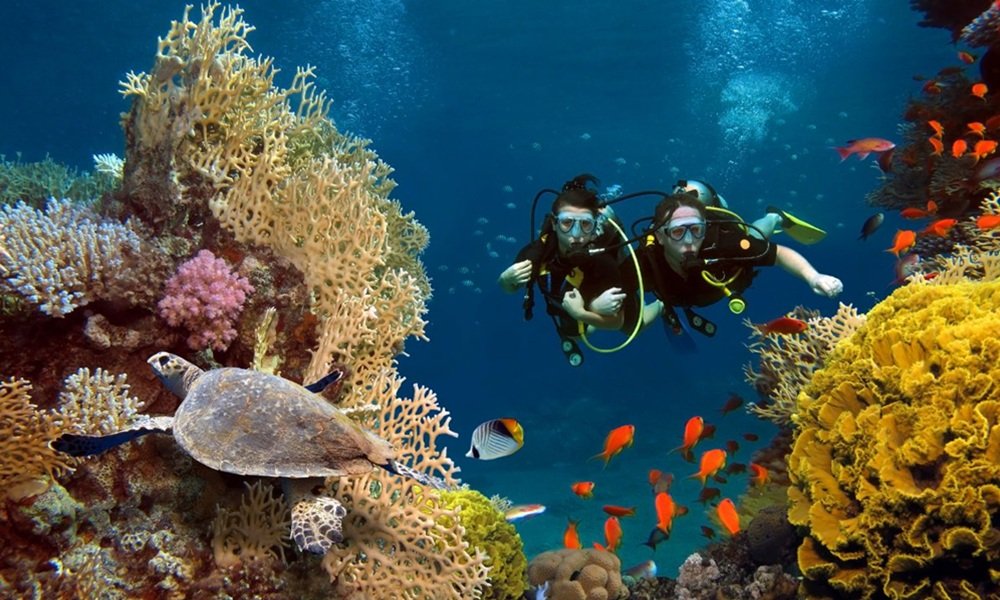
What to Expect on Your First Bali Dive
If you’ve never breathed underwater before, it’s natural to feel both excited and a little nervous. What to Expect on Your First Bali Dive is one of the most common questions asked by travelers planning their first Bali diving adventure on the Island of the Gods. The good news is that Bali is considered one of the world’s best destinations for beginner divers thanks to its warm tropical waters, experienced instructors, calm dive sites, and extraordinary marine biodiversity. Knowing what will happen before, during, and after your first dive will help you feel more confident and allow you to fully enjoy this unforgettable experience.
Your first dive isn’t about swimming deep into the ocean or encountering dangerous sea creatures. Instead, it’s a carefully guided introduction to the underwater world where certified professionals teach you every step in a safe and relaxed environment. From learning how to use the equipment to taking your first breath beneath the surface, each moment is designed to build confidence while creating memories that last a lifetime.
Why Bali Is an Ideal Place for First-Time Divers
Bali consistently ranks among the world’s top beginner diving destinations for several reasons.
Unlike locations known for challenging currents or cold water, Bali offers many dive sites with gentle conditions that are perfect for learning. The water temperature usually ranges between 27°C and 30°C (81°F–86°F), making dives comfortable throughout most of the year.
Additional advantages include:
- Professional PADI and SSI dive centers
- Calm bays suitable for beginners
- Excellent underwater visibility
- Diverse marine life
- Easy access from major tourist areas
- Affordable introductory diving programs
- Modern, well-maintained equipment
Whether you’re staying in Kuta, Seminyak, Sanur, Ubud, or Nusa Dua, reaching a beginner-friendly dive site is relatively convenient.
Preparing Before Your Dive
Preparation begins long before you enter the water.
Most dive operators recommend getting plenty of sleep the night before your trip. A well-rested body helps improve concentration and reduces unnecessary anxiety.
You should also:
- Drink plenty of water.
- Eat a light breakfast.
- Avoid excessive alcohol the previous evening.
- Bring swimwear and a towel.
- Pack sunscreen for surface activities.
- Carry a change of clothes.
- Bring any required medication.
Avoid arriving on an empty stomach, but don’t eat an overly heavy meal immediately before diving.
Feeling physically comfortable contributes to a more enjoyable water adventures experience.
Choosing a Reputable Dive Center
Selecting the right dive operator plays a major role in ensuring your first dive is both safe and enjoyable.
Look for dive centers that offer:
- Certified instructors
- Small group sizes
- Positive customer reviews
- High-quality equipment
- Comprehensive safety briefings
- Transparent pricing
- Strong safety standards
Experienced instructors understand that first-time divers often feel nervous. They’ll explain everything patiently and encourage questions throughout the day.
A welcoming dive team can quickly transform uncertainty into excitement.
Health Requirements
Before participating in your first scuba dive, you’ll usually complete a brief medical questionnaire.
This helps instructors determine whether diving is appropriate for your current health condition.
Generally, introductory diving is suitable for healthy adults and older children who meet minimum age requirements.
However, you should inform the dive center if you have:
- Heart conditions
- Severe asthma
- Recent surgery
- Ear problems
- Lung disease
- Pregnancy
- Serious respiratory illnesses
If necessary, the operator may recommend obtaining medical clearance before diving.
Being honest about your health helps ensure everyone’s safety.
Meeting Your Instructor
One of the highlights of your first diving experience is working closely with a professional instructor.
Their primary responsibility is helping you feel relaxed while ensuring every safety procedure is followed correctly.
During introductions, your instructor will explain:
- The day’s schedule
- Dive location
- Expected water conditions
- Equipment overview
- Safety procedures
- Underwater communication
- Emergency protocols
This discussion gives beginners an opportunity to ask questions before entering the water.
No question is too simple.
Professional instructors expect first-time divers to have plenty of curiosity.
Understanding the Dive Plan
Every beginner dive follows a carefully structured plan.
Unlike experienced divers who may explore independently with a buddy, first-time participants remain under constant instructor supervision.
The typical schedule includes:
- Registration
- Equipment fitting
- Safety briefing
- Basic skill practice
- Water entry
- Controlled descent
- Guided underwater exploration
- Slow ascent
- Debriefing
Knowing this sequence beforehand often helps reduce first-dive anxiety.
Instead of wondering what happens next, you’ll understand each stage as it unfolds.
Learning About Your Equipment
One of the biggest concerns for new divers involves the equipment.
Fortunately, modern scuba gear is designed to be reliable, comfortable, and surprisingly easy to use.
Your instructor will introduce each piece individually.
You’ll learn about:
The Mask
A properly fitted mask allows clear underwater vision while keeping water out of your eyes and nose.
The Regulator
The regulator delivers breathable air from the scuba tank.
Many beginners are surprised by how natural breathing feels once they try it.
The Buoyancy Control Device (BCD)
The BCD helps control floating and sinking underwater.
Your instructor manages much of the buoyancy during introductory dives while teaching you the basics.
Air Tank
The scuba cylinder contains compressed breathing air.
Before entering the water, instructors verify that every tank is completely full and functioning correctly.
Fins
Fins improve efficiency, allowing smooth movement with minimal effort.
Rather than kicking rapidly, divers use slow, controlled movements to conserve energy.
Your Safety Briefing
Every first dive begins with a detailed safety orientation.
This briefing is one of the most important parts of the entire experience.
Topics usually include:
- Equalizing ear pressure
- Proper breathing
- Hand signals
- Mask clearing
- Regulator recovery
- Buoyancy awareness
- Buddy procedures
- Safe ascent techniques
Although it may seem like a lot of information initially, instructors explain each concept clearly and practice essential skills before beginning the dive.
Practicing Before Going Underwater
Before descending into deeper water, you’ll practice several simple skills in shallow conditions.
These exercises build confidence while allowing instructors to ensure everyone feels comfortable.
Practice sessions typically include:
- Breathing through the regulator
- Clearing water from your mask
- Recovering the regulator
- Equalizing ear pressure
- Inflating and deflating the BCD
Many beginners discover that their initial nervousness disappears after just a few minutes of practice.
Breathing underwater soon begins to feel surprisingly normal.
Entering the Water
Once everyone is comfortable with the equipment and basic skills, it’s time to begin the adventure.
Depending on the Bali dive location, you’ll either walk into the water from the beach or enter from a boat. Many beginner-friendly dive sites in Bali feature gentle shore entries, allowing you to move into shallow water at a relaxed pace.
Before descending, your instructor performs one final equipment check to ensure everything is working correctly.
This final review usually includes:
- Air supply check
- Regulator test
- BCD inflation
- Mask fit
- Weight system inspection
- Hand signal review
Only after every participant is ready does the dive begin.
Your First Breath Underwater
One of the biggest milestones during What to Expect on Your First Bali Dive is taking your very first breath beneath the surface.
At first, breathing through a regulator may feel unusual because you hear every inhale and exhale more clearly than on land.
The secret is simple:
Breathe slowly.
Breathe continuously.
Never hold your breath.
After just a few minutes, most beginners find the rhythm surprisingly comfortable. Many even forget they are using specialized equipment as they become focused on the colorful underwater scenery.
Descending Slowly
Your instructor will guide you down gradually, usually while maintaining close eye contact.
There is no rush.
The descent happens slowly enough for you to adjust comfortably to the changing pressure.
As you descend, you’ll learn to equalize your ears by gently pinching your nose and blowing softly.
Equalizing early and often prevents discomfort and allows you to continue descending smoothly.
Most introductory dives remain at shallow depths, providing plenty of natural light and excellent visibility.
Discovering Weightlessness
Perhaps the most magical moment of your first dive is experiencing neutral buoyancy.
Instead of walking, you begin floating effortlessly through the water.
Every movement becomes slow and graceful.
Small fin kicks allow you to glide above coral reefs without disturbing the marine environment.
Many new divers describe the sensation as flying.
Unlike swimming at the surface, Bali scuba diving removes much of gravity’s effect, creating an experience unlike almost any other outdoor activity.
Communicating Underwater
Since speaking isn’t possible underwater, divers rely on standardized hand signals.
Your instructor reviews these signals before entering the water, making communication surprisingly easy.
Common signals include:
- OK
- Go up
- Go down
- Stop
- Low on air
- Problem
- Look here
- Stay together
Throughout the dive, your instructor regularly checks that everyone is comfortable by asking for the “OK” signal.
This constant communication helps beginners feel safe and supported.
Seeing Bali’s Underwater World for the First Time
After becoming comfortable underwater, you’ll begin noticing the incredible diversity surrounding you.
Even beginner dive sites are home to thriving marine ecosystems filled with colorful coral and fascinating sea creatures.
Depending on your location, you may encounter:
- Clownfish
- Butterflyfish
- Angelfish
- Blue tangs
- Parrotfish
- Bannerfish
- Sea stars
- Giant clams
- Garden eels
- Cleaner shrimp
Every dive is different, making each underwater adventure unique.
Coral Reefs Up Close
Unlike snorkeling, scuba diving allows you to observe coral reefs at eye level.
You’ll notice intricate details that are often impossible to appreciate from the surface.
Massive coral colonies, delicate soft corals, sea fans, and sponge formations create an underwater landscape full of texture and color.
Your instructor may point out tiny marine animals hidden among the coral that many divers overlook on their own.
This slower pace encourages observation rather than simply swimming from one place to another.
Marine Life Behaviors
One advantage of scuba diving is witnessing natural marine behavior.
Instead of quickly swimming past fish, you’ll often observe them feeding, cleaning one another, or moving together in synchronized schools.
You might watch:
- Clownfish protecting their sea anemones.
- Parrotfish grazing on coral.
- Butterflyfish swimming in pairs.
- Shrimp cleaning larger fish.
- Sea cucumbers moving slowly across the seabed.
These moments provide a deeper appreciation for Bali’s rich marine ecosystem.
Building Confidence During the Dive
The first few minutes underwater are usually the most challenging for beginners.
As the dive continues, confidence grows naturally.
Simple tasks that initially seemed intimidating—such as breathing through the regulator or adjusting buoyancy—soon become second nature.
Your instructor will remain nearby, offering encouragement and assistance whenever needed.
By the end of the dive, many first-time participants are surprised by how relaxed they feel beneath the surface.
Common Feelings During a First Dive
Everyone experiences scuba diving a little differently, but several emotions are common.
At the beginning, you may feel:
- Excitement
- Curiosity
- Mild nervousness
A few minutes later, those feelings often change to:
- Confidence
- Relaxation
- Wonder
- Amazement
The underwater environment has a calming effect that many divers don’t expect before their first experience.
Underwater Photography
Many Bali dive operators offer optional underwater photography services.
This allows you to enjoy the dive without worrying about carrying a camera.
Professional underwater photographers know how to capture memorable moments, including:
- Your first underwater breath
- Swimming above coral reefs
- Close encounters with tropical fish
- Group photos with your instructor
- Scenic reef landscapes
These images often become favorite vacation memories and a great way to share your first diving experience with friends and family.
Respecting Marine Life
A responsible diver always protects the ocean environment.
During your first dive, your instructor will encourage environmentally friendly practices, such as:
- Maintaining proper buoyancy to avoid touching coral.
- Keeping a respectful distance from marine animals.
- Avoiding the temptation to chase fish.
- Never collecting shells or coral.
- Leaving the underwater environment exactly as you found it.
These simple habits help preserve Bali’s beautiful reefs for future visitors while supporting sustainable marine tourism.
Returning to the Surface
Every dive eventually comes to an end, but the ascent is just as important as the descent.
Your instructor will signal when it’s time to head back toward the surface. Rather than swimming upward quickly, you’ll ascend slowly and in a controlled manner. This gradual approach allows your body to adjust safely to changing pressure.
During the ascent, you’ll continue breathing normally while staying close to your instructor. Once you reach the surface, the sense of accomplishment is often immediate. Many first-time divers can’t stop smiling after realizing they’ve successfully completed their first underwater adventure.
After the Dive
Back on shore or aboard the boat, you’ll remove your equipment and have time to relax while reflecting on everything you experienced.
Most dive operators provide a short debriefing where instructors discuss the highlights of the dive. They may point out marine species you encountered, answer any remaining questions, and offer suggestions for improving your skills during future dives.
Many beginners are surprised by how much confidence they’ve gained after only one dive.
Some introductory diving packages also include:
- Drinking water and light refreshments
- Digital underwater photographs
- Dive log assistance
- Information about certification courses
- Recommendations for future dive sites
This is also an excellent opportunity to ask your instructor about continuing your diving journey if you’d like to earn an Open Water certification.
Common Beginner Mistakes to Avoid
Understanding What to Expect on Your First Bali Dive also means knowing what mistakes are common among first-time divers. Fortunately, these are easy to avoid with proper guidance.
Some of the most frequent beginner mistakes include:
Breathing Too Quickly
Excitement can cause rapid breathing, which increases air consumption.
Instead, focus on slow, relaxed breaths.
Looking Down Constantly
New divers sometimes forget to look around because they’re focused on their equipment.
Lift your head occasionally and enjoy the incredible scenery surrounding you.
Moving Too Fast
Quick fin kicks waste energy and may disturb marine life.
Smooth, gentle movements are more efficient and allow you to enjoy the dive longer.
Forgetting to Equalize
If your ears begin feeling uncomfortable, equalize immediately rather than waiting.
Doing so early makes the descent much easier.
Touching Coral
Coral reefs are living organisms.
Avoid touching or standing on them to help preserve Bali’s fragile marine ecosystem.
Tips for an Even Better First Dive
A few simple habits can make your first scuba experience even more enjoyable.
Consider these recommendations:
- Stay hydrated before your dive.
- Listen carefully during every briefing.
- Ask questions whenever you’re uncertain.
- Trust your instructor’s guidance.
- Relax and breathe naturally.
- Move slowly underwater.
- Focus on observing rather than rushing.
- Enjoy every moment of the experience.
Remember that your first dive isn’t a test. It’s an opportunity to discover a completely new world at your own pace.
Will You Want to Dive Again?
For many visitors, one introductory dive is only the beginning.
After experiencing colorful coral reefs, graceful sea turtles, and the peaceful sensation of floating underwater, countless travelers decide to continue learning.
The next step is often an internationally recognized Open Water Diver certification, which allows you to explore more dive sites around the world.
Bali is an excellent place to continue your training because it offers:
- Numerous beginner-friendly dive locations
- Experienced multilingual instructors
- Affordable certification courses
- Diverse underwater environments
- Year-round diving opportunities
Even if you don’t pursue certification immediately, your first dive will likely inspire a greater appreciation for the ocean and marine conservation.
Frequently Asked Questions
How long does a first dive usually last?
The underwater portion of an introductory dive generally lasts between 30 and 50 minutes, depending on air consumption and local conditions. The complete experience, including instruction and preparation, often takes several hours.
Will I dive alone?
No.
During a beginner experience, you’ll remain with a certified instructor throughout the dive. Their close supervision ensures your safety and helps build confidence.
What if I feel nervous?
Feeling nervous is completely normal.
Professional instructors work with first-time divers every day and know how to create a calm, supportive environment. Most participants relax within the first few minutes underwater.
Can I wear glasses?
Yes.
If you normally wear prescription glasses, you can use contact lenses with your dive mask or ask the dive center whether prescription masks are available.
Is scuba diving physically difficult?
Not usually.
Scuba diving relies more on calm breathing and proper technique than physical strength. Because the water supports your body weight, many people find diving less tiring than they expected.
Begin Your Underwater Journey in Bali
Knowing What to Expect on Your First Bali Dive helps transform uncertainty into excitement. From the moment you meet your instructor and learn about the equipment to your first breath underwater and your final ascent, every stage is carefully designed to make your introduction to scuba diving safe, comfortable, and unforgettable.
Bali’s warm waters, beginner-friendly dive sites, exceptional visibility, and abundant marine life create the perfect setting for discovering the underwater world. Whether you’re swimming above vibrant coral gardens, observing tropical fish in their natural habitat, or simply experiencing the unique feeling of weightlessness, your first dive is likely to become one of the highlights of your vacation.
With professional guidance, a positive attitude, and a sense of adventure, you’ll quickly understand why so many travelers fall in love with scuba diving after their very first experience in Bali.
Still deciding which underwater activity is right for you? Read our guide on Bali Diving Experience vs Snorkeling to compare both experiences before planning your adventure.