

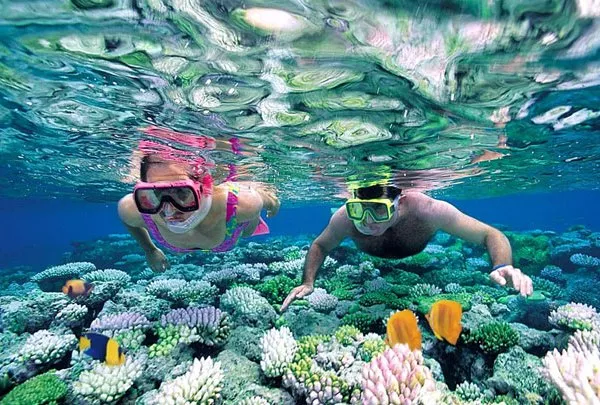
Best Time of Year for Bali Snorkeling Adventures
Choosing the Best Time of Year for Bali Snorkeling Adventures can make a noticeable difference in your experience. Bali is a year-round tropical destination, but ocean conditions are not identical throughout the calendar. Weather patterns, rainfall, wind, waves, sea currents, water visibility, and tourist activity can all influence what you experience beneath the surface.
There is no single month that guarantees perfect snorkeling everywhere on the island. Instead, the best time depends on where you want to go, what type of marine experience you are looking for, and how flexible you are with weather conditions.
Understanding Bali’s seasonal patterns before booking your snorkeling adventure can help you choose a more suitable period and set realistic expectations.
Bali’s Two Main Seasons
Bali generally experiences two broad seasons: the dry season and the wet season.
The dry season usually runs from around April through October, while the wetter period generally occurs from November through March. These are broad patterns rather than strict rules, and conditions can vary from year to year.
During the drier months, visitors often experience more sunshine and lower rainfall. This can create favorable conditions for water adventures activities, including snorkeling.
The wet season brings more frequent rainfall and higher humidity. However, rain does not necessarily mean that snorkeling is impossible.
Tropical weather can change quickly.
A rainy morning may be followed by several hours of sunshine, while a clear morning can develop into a windy afternoon. Conditions also differ considerably between Bali’s east, south, north, and offshore islands.
For that reason, looking at the season is useful, but checking actual local conditions is even more important.
Why the Dry Season Is Popular for Snorkeling
The dry season is generally the most popular period for travelers planning outdoor activities in Bali.
Lower rainfall can mean more opportunities for sunny days, while reduced wind and calmer sea conditions can sometimes improve the overall snorkeling experience.
Water clarity can also be excellent during favorable periods.
However, it is important not to assume that every dry-season day will have perfectly calm water. Wind direction, tides, currents, and local weather can still affect individual Bali snorkeling tour locations.
Some coastal areas may experience different conditions from others on the same day.
For example, the ocean around one side of Bali may be relatively calm while another area experiences stronger waves.
This is one reason experienced local operators monitor conditions instead of relying solely on a seasonal calendar.
April: A Transition Month
April can be an interesting time to explore Bali’s underwater environment.
It often marks the transition from the wetter part of the year toward the drier season. Rainfall may become less frequent, although weather patterns can still be unpredictable.
For travelers who prefer avoiding the busiest periods, April can offer a balance between improving weather and relatively moderate visitor numbers.
Water conditions depend heavily on the specific location and weather during the days before your trip.
If there has been substantial rainfall, runoff can affect visibility in certain coastal areas.
On the other hand, a period of calm weather can produce excellent conditions.
April is therefore a month where flexibility can be particularly valuable.
May and June: A Strong Combination
May and June are often attractive months for travelers who want a combination of favorable weather and good outdoor conditions.
Rainfall generally decreases compared with the wetter months, while the peak holiday period has not yet reached its busiest levels.
This can make the period appealing for travelers who want to enjoy Bali’s coastline without necessarily visiting during the busiest time of the year.
Water conditions are never guaranteed, but calm periods can provide excellent opportunities for snorkeling.
Visibility may also benefit from stable weather and lower rainfall, although local currents and other factors remain important.
If you are planning a snorkeling-focused vacation rather than simply adding snorkeling to a larger Bali itinerary, May and June are worth considering.
July and August: Peak Travel Season
July and August are among Bali’s busiest travel months.
The weather is typically favorable for outdoor activities, which is one reason these months attract large numbers of international visitors.
For snorkeling enthusiasts, the combination of relatively dry weather and strong tourism infrastructure can make this period convenient.
However, popularity has a downside.
Popular beaches, roads, attractions, and boat departures can become considerably busier.
If you are traveling during July or August, booking important activities in advance can be helpful.
You may also want to consider early departures when available. Besides helping you avoid some crowds, earlier trips can sometimes provide better conditions before afternoon winds become stronger.
The key is not simply choosing a popular month but planning around the conditions and your preferred style of travel.
September: A Favorite for Flexible Travelers
September can be one of the more appealing months for travelers who want dry-season conditions without visiting at the height of the summer holiday rush.
The weather can remain favorable, while visitor numbers may begin to decline compared with July and August.
This can create a more relaxed atmosphere at many destinations.
For snorkeling, September can be particularly attractive when several days of stable weather produce calm water.
Of course, individual conditions vary.
Ocean visibility can change from one location to another, and marine conditions should always be checked close to the activity date.
October: Another Transition Period
October sits near the end of Bali’s traditional dry season.
Early October can still provide relatively dry conditions, while rainfall becomes more likely as the month progresses.
For travelers who prefer warmer weather and fewer crowds, October can still be an appealing choice.
However, flexibility becomes increasingly important.
If you are planning a snorkeling trip in late October, consider keeping some flexibility in your itinerary rather than scheduling every ocean activity on a single day.
That way, if weather or sea conditions are not ideal, you may have an opportunity to move the activity.
November Through March: Is Snorkeling Still Possible?
Absolutely.
The wet season does not automatically shut down Bali snorkeling tour.
This is an important point because many travelers assume that snorkeling is only possible during the dry season.
In reality, Bali remains active throughout the year.
The main difference is that weather conditions can be less predictable during the wetter months.
Rainfall, wind, waves, and runoff can influence water clarity and sea conditions.
Some days can still provide excellent snorkeling, while others may be less suitable.
If you travel during the wet season, flexibility becomes one of your greatest advantages.
Instead of expecting perfect conditions every day, allow your snorkeling activity to be scheduled around the best available weather.
How Rain Can Affect Water Visibility
Rain itself is not necessarily the biggest problem for snorkeling.
The more important issue can be what happens afterward.
Heavy rainfall on land can cause freshwater and sediment to flow toward the ocean through rivers, streams, and drainage systems.
Nearshore visibility may temporarily decrease as sediment enters the water.
This does not happen equally everywhere.
Locations with different coastal geography, currents, and reef structures can respond differently to rainfall.
For that reason, a snorkeling location that was clear several days earlier may look different after significant rain.
Local knowledge can be extremely useful here.
An experienced operator may know which locations are currently offering better visibility and which areas should be avoided temporarily.
Wind Can Matter More Than Rain
Many travelers look at the weather forecast and focus almost entirely on rain.
For snorkeling, wind can be equally important.
Strong winds can create waves and surface movement that make swimming less comfortable. They can also affect boat trips and reduce the quality of underwater viewing.
Even if the sky is blue, strong wind may make conditions unsuitable for a particular snorkeling location.
This is why a sunny day does not automatically equal perfect snorkeling.
When evaluating conditions, consider rainfall, wind speed, wave conditions, tides, and local forecasts rather than relying on a single weather icon.
Morning or Afternoon?
The time of day can also influence your experience.
Many snorkeling trips operate in the morning because early conditions can sometimes be calmer.
Morning departures also give travelers a better chance of completing the activity before stronger afternoon winds develop.
However, this is not a universal rule.
Local geography and weather patterns determine actual conditions.
Some locations may remain calm throughout the day, while others become increasingly active later.
If you have flexibility, an early start is often a practical choice, particularly when visiting popular locations during busy travel periods.
Does Water Temperature Change?
Bali’s tropical climate means the ocean generally remains warm enough for snorkeling throughout the year.
Water temperature does not usually create the same seasonal challenge found in colder destinations.
However, individual travelers have different comfort levels.
Some people are perfectly comfortable swimming for hours in tropical water, while others may appreciate a rash guard or lightweight protective layer.
Water temperature can also feel different depending on wind, cloud cover, and how long you remain in the water.
If you tend to get cold easily, bring appropriate swimwear rather than assuming tropical water will always feel warm.
Different Locations Can Have Different Seasons
One of the most important things to understand about snorkeling in Bali is that the island is not one single marine environment.
Conditions can vary dramatically between locations.
A sheltered bay may remain relatively calm while an exposed coastline experiences larger waves.
An area with favorable visibility may be affected by runoff after heavy rain, while another location remains clear.
This means that choosing the right destination can sometimes matter more than choosing the “perfect” month.
If your travel dates are fixed, consider asking a local snorkeling operator which location is currently performing best rather than insisting on one specific spot.
That approach gives you more flexibility and can result in a much better experience.
The Best Month Depends on Your Priorities
Different travelers have different definitions of “best.”
If your priority is the highest chance of dry weather, the traditional dry season may be your preferred period.
If you want fewer tourists, shoulder-season months can be attractive.
If you are traveling on a tighter budget, periods outside the busiest holiday season may offer more opportunities for value.
If your main goal is marine life rather than perfect weather, you may be willing to accept a little more uncertainty in exchange for a less crowded experience.
There is no universal answer.
The ideal snorkeling period is the one that balances your priorities with actual local conditions.
Holiday Periods Can Change the Experience
Weather is not the only seasonal factor.
Tourist numbers can significantly affect the atmosphere around popular snorkeling destinations.
During major international holiday periods, beaches and boat services can become busier.
This can mean longer travel times, more crowded departure points, and more people in the water.
If you prefer a quieter experience, consider traveling during shoulder periods or choosing less crowded departure times.
This is especially relevant for travelers who want to take underwater photographs or simply enjoy the reef without a large group nearby.
What About Sea Turtles and Other Marine Life?
Marine life is one of the biggest reasons people choose snorkeling in Bali.
However, wildlife encounters cannot be guaranteed by choosing a particular month.
Sea turtles, reef fish, rays, and other marine animals are wild creatures.
Their presence depends on location, food availability, environmental conditions, and natural behavior.
Avoid operators who promise guaranteed encounters with specific animals.
A responsible snorkeling experience focuses on observing wildlife without chasing, feeding, or touching it.
The best approach is to appreciate whatever the ocean offers on the day.
Check Conditions Before You Leave
Even if you have selected what appears to be an ideal month, check the forecast before your activity.
Look at rainfall predictions, wind, wave conditions, and other relevant marine information.
Your snorkeling operator should also be monitoring local conditions.
If the weather changes, be prepared for an itinerary adjustment.
This might mean changing the departure time, choosing another snorkeling location, or postponing the activity.
A change of plan is preferable to entering unsuitable water conditions.
Flexibility is particularly important during transitional months and the wet season.
Choosing the Right Time for Your Bali Adventure
The best time for snorkeling is not simply a date on the calendar.
It is the combination of season, destination, weather, sea conditions, and your personal preferences.
For many travelers, May through September offers an attractive balance of relatively dry weather and favorable outdoor conditions. July and August can be excellent but are also among the busiest months.
April and October can provide appealing shoulder-season opportunities, although weather conditions may be less predictable.
November through March can still produce memorable snorkeling experiences, particularly when travelers remain flexible and choose locations according to current conditions.
Ultimately, the ocean decides.
Your job is to prepare, monitor conditions, and choose a reputable local operator that understands the area’s marine environment.
Make Your Snorkeling Day More Comfortable
Once you have chosen your travel dates, the next step is preparing for the actual day.
Your packing needs will depend on the length of the trip, the destination, and whether you are traveling independently or with an organized operator.
For a practical guide covering swimwear, sun protection, towels, waterproof bags, cameras, family needs, and other essentials, read our Complete Bali Snorkeling Packing List for Every Traveler.
Being prepared means you can spend more time enjoying the water and less time dealing with avoidable problems.
Bali’s snorkeling season is not limited to a few weeks on the calendar.
The island’s tropical climate allows snorkeling throughout much of the year, but conditions change with rainfall, wind, waves, currents, and local geography.
For travelers looking for the best combination of generally favorable weather and outdoor conditions, the dry season is often the most straightforward choice. May, June, September, and parts of April or October can be particularly attractive for those seeking a balance between conditions and visitor numbers.
Still, there is no guarantee that any specific month will deliver perfect water.
The smartest approach is to choose your travel period based on your priorities, monitor the forecast, remain flexible about locations, and listen to local operators who understand current sea conditions.
That flexibility can turn an ordinary snorkeling excursion into one of the most memorable parts of your Bali adventure.
Bali snorkeling is possible throughout the year, but dry-season months generally offer more predictable conditions. May through September can be especially appealing, while April and October provide interesting shoulder-season alternatives. Wet-season snorkeling is also possible, but rainfall, runoff, wind, and sea conditions require greater flexibility.