

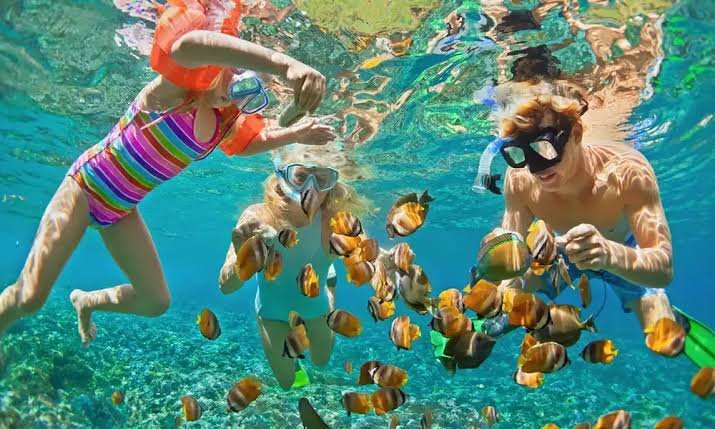
How to Prepare for a Safe Bali Snorkeling Experience
Learning how to prepare for a safe Bali snorkeling experience is one of the most important steps before entering the ocean. Snorkeling may look simple, but the sea is very different from a swimming pool. Waves, currents, changing weather, boat traffic, slippery surfaces, and unfamiliar equipment can create situations that require preparation and good judgment.
A safe snorkeling adventure does not mean eliminating every possible risk. It means understanding your own abilities, paying attention to the environment, using appropriate equipment, communicating clearly, and knowing when conditions are not suitable.
Bali offers beautiful coastal environments for snorkeling, but the ocean should always be treated with respect.
Start by Knowing Your Own Ability
Before choosing a snorkeling trip, honestly assess your swimming ability.
You do not need to be an expert swimmer to snorkel, but you should understand how comfortable you are in open water.
Swimming confidently in a pool does not necessarily mean you will feel equally comfortable in the ocean. Waves can move your body unexpectedly, currents can make progress difficult, and saltwater can feel very different from freshwater.
If you are not a confident swimmer, tell your guide before start this water adventures.
This information helps the guide understand how closely you may need to be supervised and whether additional flotation equipment is appropriate.
Never feel embarrassed about admitting that you are inexperienced.
Being honest about your ability is a sign of good preparation, not weakness.
Choose the Right Snorkeling Location
Not every snorkeling destination around Bali is suitable for every traveler.
Some locations have relatively sheltered water and easy access. Others may involve boat transfers, deeper water, stronger currents, rocky entries, or more exposed coastal conditions.
The right destination depends on your experience level.
A beginner may be more comfortable in a protected area where getting in and out of the water is relatively straightforward.
A confident swimmer may be comfortable with a more open-water adventure.
Before booking, ask practical questions rather than relying only on photographs.
Find out how you enter the water, how deep the Bali snorkeling tour area is, whether flotation equipment is available, and what happens if you decide not to continue.
These details can tell you much more about the suitability of a trip than an attractive underwater photograph.
Check the Weather Before Leaving
Weather conditions can change quickly in a tropical environment.
Before departing, check the forecast and pay attention to more than just the chance of rain.
Wind, waves, thunderstorms, and other marine conditions can affect snorkeling safety.
A sunny forecast does not automatically mean calm water.
Likewise, cloudy weather does not necessarily mean that a snorkeling trip will be dangerous.
The actual conditions at the coast matter.
A responsible operator should also monitor local weather and sea conditions and make decisions based on what is happening rather than simply following a fixed itinerary.
If conditions become unsuitable, changing the schedule or location is a sensible safety decision.
Understand That Ocean Conditions Can Change
One of the biggest differences between a pool and the ocean is that the ocean is constantly moving.
Currents can change.
Waves can increase.
Wind can become stronger.
Visibility can decrease.
These changes may happen while you are already in the water.
For that reason, do not assume that conditions will remain exactly as they appeared when you first entered.
Keep paying attention to your surroundings.
If the water begins feeling significantly more difficult to navigate, move closer to your guide or return to the designated exit point.
Do not wait until you are exhausted.
Recognizing a problem early is much easier than dealing with an emergency after you have run out of energy.
Make Sure Your Mask Fits Properly
A poorly fitting mask is more than an annoyance.
Constant leaks can distract you, affect your confidence, and make it difficult to see clearly.
Before entering deeper water, test the mask in shallow water if possible.
The mask should create a comfortable seal around your face without needing to be tightened excessively.
If water continues entering, ask your guide to help adjust it or replace it with another size.
Do not assume that tightening the strap as much as possible will solve the problem.
A mask that is too tight can actually become uncomfortable and may not seal properly.
Taking a few minutes to get the fit right before starting your adventure can make a significant difference.
Practice Breathing Before Going Far
Breathing through a snorkel feels unusual for many first-time users.
The safest approach is to become comfortable with the equipment before moving into deeper water.
Stand or float in a controlled area and practice breathing slowly through the snorkel.
Try not to panic if a small amount of water enters the snorkel.
Your guide can demonstrate the appropriate technique for clearing it.
The important thing is to remain calm.
Rapid breathing can increase anxiety and make you feel more tired than necessary.
Slow, controlled breathing helps conserve energy and allows you to concentrate on your surroundings.
Do Not Ignore Flotation Equipment
Some swimmers avoid life jackets or flotation devices because they believe using them means they are not good swimmers.
That is the wrong mindset.
Flotation equipment can provide additional support, especially for people who are less comfortable in open water.
It can also help conserve energy during a longer snorkeling session.
If your guide recommends a flotation device, use it.
If you are unsure how it works, ask for an explanation before entering the water.
Comfort and safety are more important than trying to appear experienced.
Listen Carefully to the Safety Briefing
The safety briefing may be the most important few minutes of your Bali snorkeling tour.
Do not treat it as something you can ignore because you have snorkeled before.
Every location is different.
Your guide may explain where you should enter and exit the water, where the boat will remain, which areas to avoid, how to signal for assistance, and what to do if you become separated from the group.
Listen carefully.
If you do not understand an instruction, ask.
A good guide should be happy to explain it again.
You should know how to communicate basic problems such as needing help, wanting to return, feeling tired, or having difficulty with your equipment.
Stay Close to Your Group
Snorkeling alone is not a good idea, particularly in unfamiliar waters.
Stay within the area designated by your guide and maintain awareness of the people around you.
If you are snorkeling with a partner, keep each other within reasonable visual range.
Do not suddenly swim far away because you see an interesting fish.
Marine life can be fascinating, but it is not worth becoming separated from the group.
If you realize that you have moved too far away, stop and assess your position rather than continuing farther.
Your guide should know where the group is supposed to be.
Know Your Exit Point
Before entering the water, make sure you know where you are expected to leave it.
This is particularly important when snorkeling from a boat.
Understand where the boat will be located and how you will return to it.
If you are snorkeling from shore, pay attention to the designated entry and exit area.
Do not assume that the place where you entered will always be the easiest place to leave.
Waves, currents, and changing water levels can make a location more difficult later.
If you become tired, communicate early rather than waiting until you are struggling.
Avoid Swimming Against Strong Currents
One of the most dangerous mistakes a snorkeler can make is trying to fight a strong current for too long.
If you notice that you are kicking hard but making little progress, do not simply increase your effort indefinitely.
Stop, remain calm, and follow your guide’s instructions.
Depending on the situation, the safest response may be to move with the current toward a designated area rather than trying to swim directly against it.
This is one reason staying near your guide is so important.
A local guide may recognize changes in water movement that an unfamiliar visitor cannot easily identify.
Be Careful Around Boats
Boat traffic is another consideration in some snorkeling areas.
Never assume that a boat operator can easily see you in the water.
Follow instructions about where you are allowed to swim and remain inside designated snorkeling areas.
When returning to a boat, follow the crew’s instructions carefully.
Do not swim directly underneath a moving boat.
Do not approach the propeller area.
Wait for the appropriate signal before boarding.
If multiple boats are operating in the same area, pay extra attention to your surroundings.
Protect Yourself From the Sun
Sun exposure can become a safety issue when you spend several hours around the ocean.
You may not notice how much sun you are receiving while focusing on snorkeling.
Water also reflects sunlight, increasing exposure to areas such as your shoulders, back, face, and legs.
Use appropriate sun protection and reapply it as needed.
A rash guard or other protective clothing can provide additional coverage.
Try to take breaks in shaded areas when available.
Remember that dehydration and excessive heat can affect your ability to swim comfortably.
Stay Hydrated Before and After Snorkeling
Drinking water is easy to forget when you are excited about an adventure.
However, snorkeling is still physical activity.
Swimming, walking, traveling in the heat, and spending time under the sun all require energy.
Drink water before and after your activity and bring sufficient drinking water when appropriate.
Avoid relying entirely on sugary drinks or caffeinated beverages for hydration.
If you begin feeling unusually weak, dizzy, nauseous, or exhausted, tell your guide immediately.
Do not try to push through significant physical discomfort.
Do Not Snorkel When You Are Unwell
Your physical condition matters.
If you are feeling sick, extremely tired, dizzy, or otherwise unwell, consider whether snorkeling is appropriate that day.
Do not hide symptoms because you have already paid for the activity.
Ocean activities require energy and concentration.
If you are struggling physically before entering the water, the experience may become much more difficult once you are offshore.
It is better to postpone an activity than to turn a manageable situation into an emergency.
If you have any medical or physical concerns that could affect your ability to participate safely, seek appropriate professional advice before planning the activity.
Avoid Alcohol Before Snorkeling
Alcohol and water activities are a poor combination.
Even a relatively small amount can affect judgment, balance, coordination, and reaction time.
Do not drink alcohol before snorkeling.
If you have been drinking the previous evening and still feel impaired, dehydrated, or unusually tired the next morning, reconsider whether you are ready for an ocean activity.
The goal is to enter the water alert and capable of responding to instructions.
Save the celebratory drink for after the adventure.
Respect Marine Life
Ocean safety also includes protecting the environment.
Never stand on coral, even if it appears solid.
Do not grab turtles, fish, rays, or other marine animals.
Avoid chasing wildlife for photographs.
Do not attempt to touch animals simply because they swim close to you.
Marine creatures can behave unpredictably when they feel threatened.
More importantly, touching coral or marine life can cause damage.
A responsible snorkeling experience allows you to observe the underwater environment without interfering with it.
Keep your distance and let animals decide how close they want to come.
Keep Your Equipment Secure
Loose equipment can become a distraction or even a hazard.
Make sure your mask, snorkel, fins, and any personal accessories are properly secured before entering the water.
If you use an action camera, attach it securely.
A camera dropped into the ocean can tempt someone to make an unsafe dive to retrieve it.
Do not risk your safety for an expensive piece of equipment.
The same principle applies to sunglasses, phones, jewelry, and other belongings.
Anything you do not need in the water is better stored securely.
What to Do If You Start Feeling Panicked
Even confident swimmers can experience anxiety in unfamiliar ocean conditions.
If you suddenly feel uncomfortable, do not immediately start swimming as fast as possible.
Slow down.
Take controlled breaths.
Signal your guide.
If possible, move into a stable position and allow yourself a moment to recover.
Panic can cause you to use energy unnecessarily.
Remember that asking for help is completely acceptable.
Your guide would much rather know that you are uncomfortable while the situation is manageable than discover that you are in serious difficulty.
Know When to Stop
There is no prize for completing every snorkeling location on an itinerary.
If you become tired, uncomfortable, cold, anxious, or overwhelmed by the conditions, it is acceptable to stop.
Likewise, if the weather or sea conditions deteriorate, the activity may need to be shortened or changed.
A successful snorkeling trip is not measured by how long you stay underwater.
It is measured by whether you enjoyed the experience while staying within safe limits.
Knowing when to stop is an important part of responsible adventure travel.
Prepare the Night Before
Good preparation starts before the morning of your trip.
Check your pickup time and location.
Charge your phone or camera.
Prepare appropriate swimwear and clothing.
Check whether your operator provides snorkeling equipment.
Make sure you have drinking water, sun protection, and any necessary personal items.
Most importantly, get enough sleep.
Arriving tired can affect your concentration and physical performance.
A calm morning is much easier when everything is already prepared.
Ask Questions Before Entering the Water
There is no such thing as a foolish safety question.
If you are unsure about the depth, current, equipment, entry point, flotation device, or boat location, ask your guide.
Useful questions include:
“Where should I stay?”
“Where do I return if I get tired?”
“What should I do if I become separated?”
“Is there a current here?”
“How do I signal for help?”
“Where is the safest entry and exit point?”
A few questions can give you much greater confidence before entering the ocean.
Choose the Right Day, Not Just the Right Date
You may have planned your Bali vacation months in advance.
That does not mean you should ignore conditions on the actual day.
Weather and ocean conditions should have the final say.
If your preferred snorkeling location is unsuitable, a responsible operator may recommend another area or postpone the activity.
That flexibility is valuable.
If you want to understand how seasonal conditions can influence your snorkeling plans, read our guide to the Best Time of Year for Bali Snorkeling Adventures.
Knowing when to go and knowing when not to enter the water are equally important parts of planning a successful adventure.
A Safe Experience Starts With Good Decisions
Snorkeling in Bali can be an unforgettable way to experience tropical marine life, but preparation should always come before excitement.
Know your swimming ability.
Choose a suitable location.
Check the weather and sea conditions.
Use equipment that fits properly.
Listen to your guide.
Stay with your group.
Respect boat traffic and marine life.
Stay hydrated and protected from the sun.
Most importantly, do not ignore warning signs from your body or the environment.
You do not need to eliminate every uncertainty before entering the ocean. You simply need to make sensible decisions and remain aware throughout the activity.
When preparation, local knowledge, and responsible behavior come together, snorkeling becomes much more enjoyable.
The ocean will always have variables you cannot control. Your preparation is what you can control.
A safe snorkeling experience starts with choosing the right location, understanding your swimming ability, checking sea conditions, using properly fitted equipment, listening to your guide, staying with your group, protecting yourself from the sun, and knowing when to stop.