

First-Time Guide to Bali Parasailing
If you are looking for an exciting way to see Bali from above without committing to a full-on extreme sport, a First-Time Guide to Bali Parasailing can help you know what to expect before you arrive at the beach. Parasailing combines a gentle boat ride, a controlled takeoff, and a short flight above the ocean, creating a very different perspective of Bali’s coastline.
For many visitors, the experience starts in Tanjung Benoa, the island’s best-known watersports area. The protected waters around the peninsula are widely used for water adventures, and local operators offer parasailing alongside other adventures. Conditions, operating procedures, age limits, weight restrictions, and prices can vary between operators, so checking the current rules before booking is important.
What Makes Bali Parasailing Different?
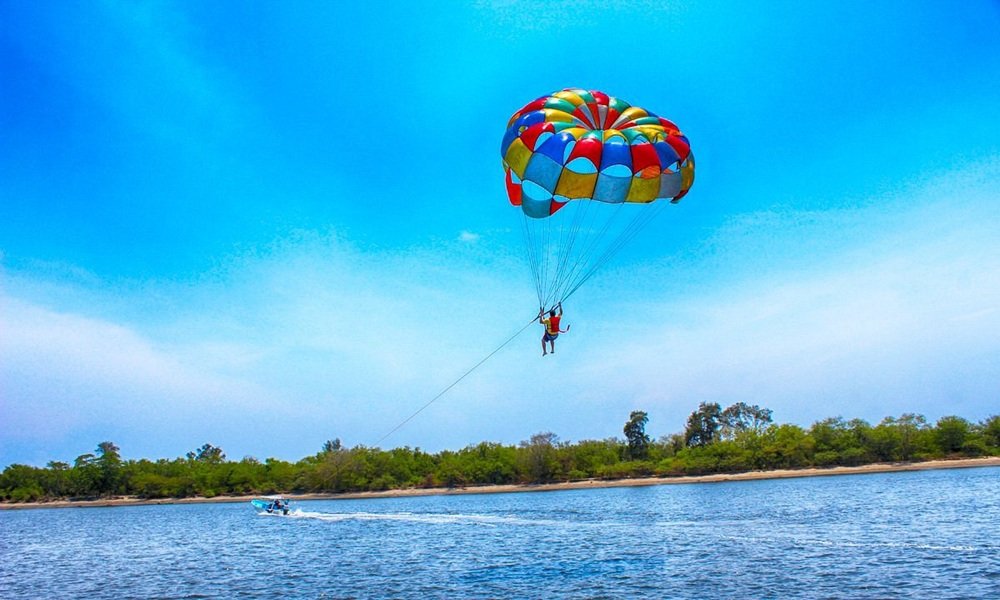
Parasailing looks dramatic from the beach, but the actual experience is often calmer than beginners expect. You are attached to a parasail canopy through a harness while a speedboat provides the forward motion needed to lift you into the air. Once you are airborne, there is usually no need to control the canopy yourself.
Instead of jumping from a platform, you normally take off gradually from a boat or designated launch area. The crew checks the harness and connection points, gives instructions, and controls the boat. Depending on the setup and weather, you may spend several minutes in the air before being brought back down.
The sensation is closer to floating than falling. You can hear the boat below, feel the wind around you, and look across the coastline from a completely different height. For first-timers who are nervous about heights, that controlled movement can make the activity easier than expected.
Where Do First-Time Visitors Usually Go?
Tanjung Benoa is the main area associated with Bali parasailing adventure watersports, particularly around the southern peninsula near Nusa Dua. Its sheltered coastal setting makes it a popular location for activities such as parasailing, banana boats, jet skis, and other water-based attractions. Local information about Tanjung Benoa also describes the area as suitable for various watersports because of its coastal conditions.
The exact launch point depends on the operator you choose. Some experiences use a speedboat and a separate floating platform or boat as part of the activity. When comparing packages, look beyond the headline price and check what is actually included.
A good booking should clearly explain whether the package includes equipment, safety gear, an instructor, boat transfers, insurance, changing facilities, and photography. Some operators sell photographs or videos separately, while hotel transportation may also be an additional service.
First-Time Guide to Bali Parasailing: What Happens Step by Step
The experience is easier to enjoy when you know the sequence.
Arrival and check-in
You will normally check in at the Bali watersports center and confirm your booking. This is a good time to tell the staff if you have never tried parasailing before. First-time participants should feel comfortable asking the crew to explain anything they do not understand.
Safety briefing
Before going onto the water, the crew should explain the basic procedure and safety instructions. You will usually be fitted with a life jacket and harness. Pay attention to the hand signals and instructions because communication becomes more important once the boat is moving.
Equipment check
The staff connects your harness to the parasail system and checks the relevant attachment points. Do not adjust or disconnect equipment yourself unless the crew specifically tells you to do so.
Boat ride
The boat takes you to the area where the activity will take place. Depending on the operator, you may board from the beach or use a boat transfer to reach a larger platform.
Takeoff
This is the moment that usually creates the most anticipation. The boat accelerates, the canopy catches the air, and you gradually rise. There is generally no need to leap into the air. Follow the crew’s instructions and keep your body position as directed.
Enjoy the flight
Once you reach your flying position, relax your shoulders and look around. The coastline, boats, shallow water, and distant landscape can look surprisingly different from above.
Landing
The crew controls the return and guides you back toward the landing area. Follow their parasailing instructions rather than trying to make your own movements. A controlled landing is part of the experience, so there is no reason to rush it.
Do You Need to Know How to Swim?
One of the most common beginner questions is whether swimming ability is required. Parasailing is not the same as swimming or snorkeling, and participants normally wear a life jacket during the activity. However, water conditions and operator procedures differ, so you should always follow the specific requirements of the company you book.
If you are uncomfortable in the water, tell the crew before the activity begins. That information can help them explain the procedure more clearly and make sure you understand what will happen if you enter the water during any part of the activity.
Age, Weight, and Health Requirements
There is no single universal age or weight rule for every Bali parasailing adventure operator in Bali. Published requirements vary. Some Tanjung Benoa operators advertise participation from around age six or seven through approximately 65, while other operators may apply different limits.
Weight restrictions can also depend on whether you fly alone, with another person, or with a guide, as well as current wind conditions. One current Tanjung Benoa operator, for example, states a combined maximum of roughly 200–220 kg for tandem or trio configurations and notes that the instructor makes the final decision according to wind conditions.
The same principle applies to health restrictions. Some operators advise against parasailing for people with certain medical conditions or during pregnancy. If you have a medical concern, ask the operator before paying for the activity rather than waiting until arrival.
When Is the Best Time to Parasail?
Weather matters more than simply choosing a sunny day. Parasailing depends on suitable wind and sea conditions, so an operator may delay or cancel a session if conditions are considered unsafe.
Bali’s dry season, generally from April through October, often provides favorable conditions for outdoor activities, although conditions can change from day to day. Parasailing-specific guidance also emphasizes that wind direction and strength are important factors, with some conditions being more suitable for a stable flight.
For a first-time visitor, the practical approach is to choose a flexible time slot and allow some room in your itinerary. Do not schedule your parasailing experience immediately before a flight, ferry, wedding, or another activity that cannot be moved.
Weather-related changes are a normal part of Bali outdoor adventure planning. A responsible operator should prioritize safety rather than trying to operate simply because a customer has already arrived.
What Should You Wear?
Keep your clothing simple. Swimwear, board shorts, quick-drying shorts, or a lightweight shirt are practical choices. You may get wet during the boat transfer or activity, even if your actual flight is relatively dry.
Sunscreen is essential because the sun can feel stronger when you are exposed on the water. Sunglasses can be useful, but make sure they are secure. Loose hats, phones, and unsecured cameras can easily become a problem when wind and boat movement are involved.
Bring a change of clothes and a small waterproof bag for items that need protection. If the operator provides lockers, use them for valuables that you do not need during the activity.
Can You Take Photos While Parasailing?
The view is one of the best parts of the experience, but your phone should not become a distraction. Ask the operator whether personal cameras or action cameras are permitted and whether they require a secure strap.
Many operators offer photography or video as an optional extra. If you want professional-looking images, ask about the package before the activity begins. This is often easier than trying to operate a phone while you are in the air.
If you bring an action camera, secure it properly. A loose device can fall into the ocean and may also distract you from following the crew’s instructions.
How Much Does Bali Parasailing Cost?
Prices change depending on the operator, package, season, nationality, promotions, and what is included. Current published Tanjung Benoa listings show that some promotional packages can be substantially lower than walk-in rates, while other operators offer different inclusions and conditions.
Rather than choosing the cheapest advertised number, compare the complete package. Ask these questions:
- Is safety equipment included?
- Is the boat transfer included?
- Is insurance included?
- How long is the actual flight?
- Are changing rooms or lockers available?
- Are photos or videos included?
- Is hotel pickup included?
- What happens if bad weather prevents the activity?
This approach makes it much easier to compare two apparently different prices. A slightly more expensive package may provide better value if important services are already included.
How to Choose a Good Operator
A professional operator should be willing to explain the activity before you participate. Look for clear safety procedures, maintained equipment, trained staff, and transparent booking information.
Do not be embarrassed to ask how weather cancellations are handled. A responsible company should prioritize safety rather than pressure guests to fly in unsuitable conditions. Current local booking information states that strong winds or rain can lead to delays or cancellations.
It is also worth checking recent reviews, but do not rely on star ratings alone. Look for comments specifically mentioning staff communication, equipment, punctuality, cleanliness, and how the company handled weather changes.
What First-Timers Often Get Wrong
The biggest mistake is treating parasailing like a spontaneous ride where you only need to show up. It is an outdoor activity influenced by weather, equipment, and operational limits.
Another common mistake is wearing loose accessories. Remove jewelry and secure anything that could fall. Leaving valuables on the beach is also unnecessary when lockers are available.
Some beginners also spend the entire flight worrying about what to do. In reality, your job is fairly simple: listen to the crew, keep your equipment in place, maintain the instructed position, and enjoy the view.
Finally, avoid booking your activity too tightly around other plans. Bali traffic can be unpredictable, and watersports can be affected by conditions at sea. A little extra time makes the entire day less stressful.
Is Bali Parasailing Suitable for Families and Couples?
It can be a fun choice for couples, friends, and families, provided everyone meets the operator’s current requirements. Tandem configurations can make the experience especially enjoyable for couples or friends who want to share the moment.
Families should confirm age and weight rules before booking because requirements vary by operator. Parents should also make sure children understand that they must follow the crew’s instructions throughout the activity.
For couples, parasailing can be a memorable addition to a beach day in southern Bali. You get Bali water adventure without spending hours on a difficult physical activity, making it easy to combine with other plans.
A Simple Plan for Your First Parasailing Day
Keep your schedule uncomplicated. Arrive with enough time for check-in, listen carefully to the briefing, and avoid a heavy meal immediately before the activity if you are sensitive to motion.
Bring sunscreen, a change of clothes, secure footwear for the beach, and a waterproof pouch for small essentials. Leave unnecessary valuables at your accommodation or in a secure locker.
Most importantly, check the weather and reconfirm your booking before leaving your hotel. If the operator recommends rescheduling because of wind or rain, treat that as a safety decision rather than a disappointment.
After the activity, you can continue exploring southern Bali, enjoy lunch, relax at the beach, or combine the experience with another attraction. Parasailing does not need to take up your entire day.
For a first-time visitor, parasailing offers a simple way to add an aerial adventure to a Bali vacation. You do not need advanced watersports skills, and the experience is largely managed by the boat crew and instructor. The most important preparation is understanding the operator’s rules, choosing appropriate weather conditions, wearing practical clothing, and giving yourself enough time.
Tanjung Benoa remains one of the most recognizable areas for Bali watersports, but the quality of your experience depends heavily on the operator you choose and how well the activity is organized. Compare inclusions, ask about safety procedures, and confirm current age, weight, health, and weather policies before booking.
If you are building a Bali itinerary that includes marine adventures, you can also read our Best Time for Nusa Penida Snorkeling guide to help plan another memorable day on the water.