

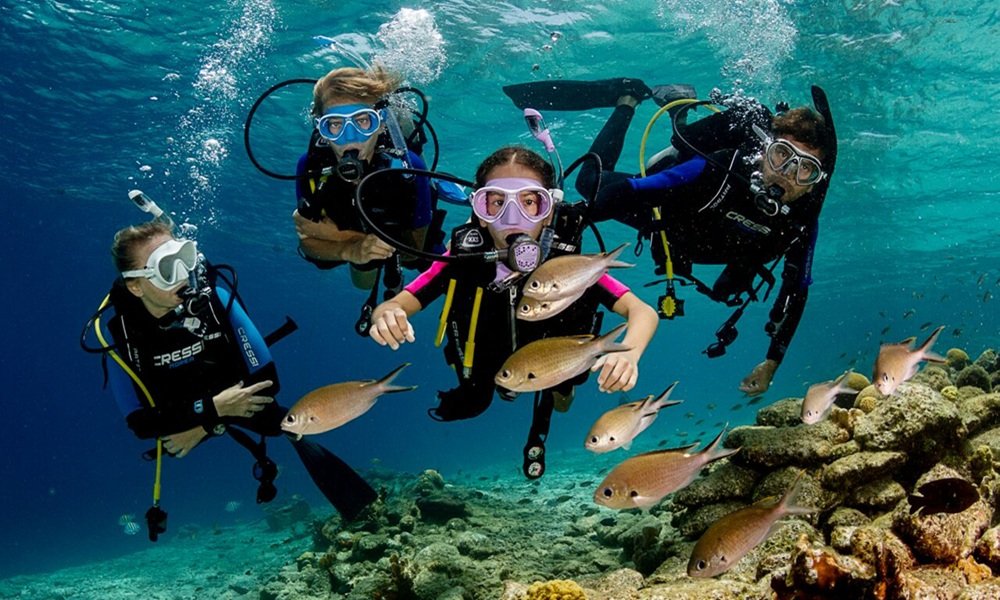
How to Prepare for a Bali Diving Experience
Planning your first underwater adventure is exciting, but proper preparation can make the difference between simply enjoying a dive and having a truly unforgettable experience. How to Prepare for a Bali Diving Experience is a question every first-time diver should ask before booking a trip. Bali is famous for its warm tropical waters, spectacular coral reefs, and professional dive centers, making it one of the world’s best destinations for scuba diving. Arriving well-prepared allows you to feel confident, stay safe, and focus on discovering the island’s incredible underwater world instead of worrying about unfamiliar equipment or procedures.
Whether you’ve signed up for a Discover Scuba Diving program or you’re beginning an Open Water adventures certification course, taking time to prepare before entering the ocean will improve both your comfort and enjoyment. From choosing the right dive operator to packing the essentials, every step contributes to a smooth and memorable adventure beneath the waves.
Why How to Prepare for a Bali Diving Experience Matters
Many people believe scuba diving is difficult or intimidating, but the reality is quite different. Modern diving is highly organized, with professional instructors guiding beginners through every stage of the experience.
Preparation helps you:
- Feel more relaxed before entering the water
- Understand what to expect during the dive
- Reduce unnecessary stress
- Improve underwater confidence
- Increase overall safety
- Enjoy marine life without distractions
A little planning before your trip often leads to a far more enjoyable diving experience.
Choose a Reputable Dive Center
Your dive operator plays a major role in the quality of your adventure.
Bali has hundreds of dive centers, but choosing a reputable one ensures you’ll receive proper instruction, well-maintained equipment, and excellent customer service.
When comparing dive operators, consider whether they offer:
- Certified instructors
- Internationally recognized training standards
- Small diving groups
- Modern scuba equipment
- Positive customer reviews
- Transparent pricing
- Comprehensive insurance options
- Strong environmental practices
Don’t choose solely based on price. A professional dive center prioritizes safety while creating a relaxed learning environment for beginners.
Select the Right Dive Location
Different dive sites offer different experiences.
If you’re diving for the first time, calm conditions are far more important than dramatic underwater landscapes.
Popular beginner-friendly locations include:
Amed
Known for its relaxed atmosphere and easy shore entries, Amed provides excellent visibility and abundant marine life.
Tulamben
Famous for the USAT Liberty Shipwreck, Tulamben also features shallow areas that are ideal for beginner divers learning basic skills.
Padang Bai
Protected bays and colorful coral gardens make Padang Bai a favorite destination for introductory diving experiences.
Menjangan Island
Located within a marine conservation area, Menjangan offers crystal-clear water and gentle conditions suitable for new divers.
Your instructor will recommend the best location based on weather, sea conditions, and your experience level.
Check Your Health Before Diving
Scuba diving is suitable for most healthy adults, but certain medical conditions require additional consideration.
Before your dive, you’ll usually complete a health questionnaire.
Inform your dive center if you have:
- Asthma
- Heart disease
- Lung disorders
- Ear infections
- Recent surgery
- Chronic respiratory conditions
- Pregnancy
Providing accurate medical information helps instructors determine whether diving is appropriate for you.
If necessary, consult your physician before your trip.
Get a Good Night’s Sleep
Quality sleep is often overlooked when preparing for a dive.
A well-rested body reacts more effectively to new situations and allows you to remain calm underwater.
Aim for at least seven to eight hours of sleep before your diving day.
Fatigue can reduce concentration and increase anxiety, especially during a first dive.
Beginning your adventure refreshed helps create a more enjoyable experience.
Stay Hydrated
Hydration plays an important role in diving safety.
Drink plenty of water throughout the day before your dive.
Good hydration supports normal circulation and helps your body perform efficiently during physical activity.
However, avoid drinking excessive amounts immediately before entering the water.
Instead, maintain steady hydration throughout the day.
Eat a Balanced Meal
Many beginners wonder whether they should eat before diving.
The answer is yes.
A light, balanced meal provides energy without making you feel uncomfortable.
Good breakfast choices include:
- Fresh fruit
- Eggs
- Whole-grain toast
- Yogurt
- Oatmeal
Avoid very heavy, greasy meals immediately before your dive.
Likewise, limit alcohol consumption the night before, as dehydration can affect both comfort and performance.
Pack the Right Clothing
Although your dive center supplies scuba equipment, you’ll still need several personal items.
Recommended clothing includes:
- Swimsuit
- Lightweight T-shirt
- Shorts
- Flip-flops or sandals
- Sunglasses
- Hat
- Light jacket for boat rides
- Dry change of clothes
Quick-drying fabrics are especially practical for full-day diving excursions.
Bring Essential Personal Items
Preparing a small dive bag helps keep everything organized.
Useful items include:
- Reef-safe sunscreen
- Towel
- Reusable water bottle
- Waterproof phone pouch
- Personal medications
- Hair ties for long hair
- Lip balm
- Motion sickness medication if needed
Having these essentials readily available allows you to focus on enjoying your adventure instead of searching for forgotten items.
Learn Basic Diving Terminology
You don’t need to become an expert before your trip, but understanding a few common diving terms can make your instructor’s explanations easier to follow.
Useful terms include:
BCD (Buoyancy Control Device)
The jacket-like equipment that helps control your buoyancy underwater.
Regulator
The device that delivers breathable air from your scuba tank.
Equalizing
A technique used to balance pressure inside your ears while descending.
Buddy
Another diver who stays with you throughout the dive.
Buoyancy
Your ability to float, sink, or remain neutrally suspended underwater.
Becoming familiar with these simple terms helps reduce uncertainty during your briefing.
Know What the Day Will Look Like
Understanding the general schedule before arriving can also help you feel more prepared.
A typical beginner diving day includes:
- Registration and paperwork
- Meeting your instructor
- Equipment fitting
- Safety briefing
- Skill practice in shallow water
- Guided dive
- Surface interval and refreshments
- Debriefing
Knowing this sequence eliminates many of the surprises that first-time divers often worry about.
Rather than wondering what happens next, you’ll be able to relax and enjoy each stage of the experience.
Prepare Yourself Mentally
Physical preparation is important, but your mindset can have an equally significant impact on your diving experience.
Many first-time divers feel a mixture of excitement and nervousness before entering the water. These emotions are completely normal and usually disappear once you begin breathing calmly underwater.
A few simple habits can help you stay relaxed:
- Focus on enjoying the experience rather than performing perfectly.
- Listen carefully to your instructor.
- Ask questions whenever something is unclear.
- Remember that beginner dives progress at a slow, comfortable pace.
- Trust your instructor’s guidance throughout the dive.
Confidence grows naturally as you become familiar with each step.
Understand the Scuba Equipment
Another important part of How to Prepare for a Bali Diving Experience is knowing the purpose of the equipment you’ll use.
Although professional dive centers provide everything you need, understanding the basics beforehand can make the experience much more comfortable.
Your scuba equipment typically includes:
Dive Mask
A properly fitted mask provides clear underwater vision while creating an air space in front of your eyes.
Your instructor will demonstrate how to adjust the strap and prevent leaks.
Fins
Fins help you move efficiently through the water.
Instead of kicking rapidly, divers use slow, controlled movements to conserve energy.
Regulator
The regulator supplies breathable air from the scuba cylinder.
Most beginners quickly discover that breathing through the regulator feels easier than they expected.
Buoyancy Control Device (BCD)
The BCD allows divers to adjust their buoyancy by adding or releasing air.
During an introductory dive, your instructor assists with buoyancy while explaining how it works.
Scuba Cylinder
The tank contains compressed breathing air.
Before every dive, instructors inspect the cylinder and confirm that it contains sufficient air for the planned dive.
Practice Slow, Steady Breathing
One of the best ways to prepare for Bali diving is to become comfortable with slow breathing.
Underwater, calm breathing helps you:
- Feel more relaxed.
- Conserve air.
- Improve buoyancy.
- Reduce stress.
- Enjoy the scenery more comfortably.
Many experienced divers describe scuba diving as almost meditative because every breath becomes slow and deliberate.
Learn Basic Hand Signals
Since talking underwater isn’t possible, divers communicate using internationally recognized hand signals.
Before your dive, you’ll learn signals such as:
- OK
- Up
- Down
- Stop
- Problem
- Low on air
- Stay together
- Look here
Practicing these signals before entering the water makes underwater communication simple and effective.
Check Weather and Ocean Conditions
Ocean conditions change throughout the year, and reputable dive operators always consider safety before selecting a dive site.
Factors they monitor include:
- Wind strength
- Wave height
- Ocean currents
- Visibility
- Rainfall
- Tide conditions
If conditions become unsuitable, your instructor may recommend a different dive site or postpone the activity.
Remaining flexible helps ensure the safest possible experience.
Choose the Best Season
Although diving is available year-round, some seasons provide calmer conditions than others.
Generally, the dry season offers:
- Better underwater visibility.
- Calmer seas.
- More consistent weather.
- Comfortable boat travel.
- Excellent underwater photography opportunities.
The rainy season can still provide enjoyable diving, especially at protected locations where visibility remains good.
Understand the Safety Briefing
Never underestimate the importance of the pre-dive briefing.
Professional instructors explain every step before entering the water.
Topics commonly include:
- Equipment checks
- Water entry techniques
- Ear equalization
- Underwater breathing
- Buoyancy control
- Emergency procedures
- Safe ascent
- Buddy awareness
Paying close attention during this briefing helps prevent unnecessary mistakes later.
Avoid Flying Too Soon After Diving
One detail many travelers overlook involves air travel.
After scuba diving, your body needs time to safely eliminate dissolved nitrogen before flying.
Most diving organizations recommend waiting:
- At least 12 hours after a single introductory dive.
- Longer after multiple or deeper dives.
If you’re planning to leave Bali by airplane soon after diving, discuss your schedule with your dive operator.
They’ll advise you on appropriate waiting times.
Mistakes to Avoid Before Your Dive
Preparing properly also means avoiding habits that could negatively affect your experience.
Common mistakes include:
Drinking Alcohol
Alcohol contributes to dehydration and may reduce concentration.
Avoid drinking the evening before your dive.
Skipping Breakfast
Diving on an empty stomach may leave you feeling tired or uncomfortable.
A light, nutritious meal is usually the better choice.
Ignoring Medical Conditions
Always disclose relevant health information honestly.
Your instructor’s recommendations are based on your safety.
Bringing Unnecessary Valuables
Leave expensive jewelry and unnecessary electronics at your hotel whenever possible.
This reduces the risk of accidental loss or damage.
Rushing the Experience
Arrive early enough to complete paperwork, ask questions, and become comfortable before entering the water.
A relaxed start often leads to a much more enjoyable dive.
Prepare for Boat Travel
Some of Bali’s best dive sites require short boat rides.
If you’re prone to motion sickness, consider preparing in advance.
Helpful suggestions include:
- Taking approved motion sickness medication if needed.
- Staying hydrated.
- Looking toward the horizon during the boat ride.
- Avoiding heavy meals immediately beforehand.
- Informing your instructor if you’re feeling unwell.
Most boat journeys to Bali’s dive sites are relatively short, but preparation can make them even more comfortable.
Respect the Ocean
Preparing for scuba diving also includes developing the right attitude toward the marine environment.
Responsible divers help preserve Bali’s reefs by following simple principles:
- Never touch coral.
- Do not chase marine animals.
- Maintain proper buoyancy.
- Avoid collecting shells.
- Leave natural habitats undisturbed.
- Follow environmentally responsible diving practices.
These habits protect the underwater ecosystems that make Bali such an extraordinary diving destination.
What to Do After Your Dive
Preparing for a successful dive doesn’t end when you leave the water. The hours following your dive are just as important for your comfort and well-being.
Once your equipment has been removed and cleaned, take a few minutes to relax and allow your body to recover. Most dive operators provide fresh drinking water and a comfortable place to rest while everyone shares stories about the underwater experience.
Simple post-dive habits include:
- Drink plenty of water.
- Enjoy a light meal or snack.
- Stay out of direct sunlight for extended periods.
- Change into dry clothing.
- Listen to your instructor’s post-dive briefing.
- Record your experience if you’re keeping a dive log.
Many first-time divers find that discussing what they saw helps reinforce everything they learned during the dive.
Continue Learning About Scuba Diving
Your first dive is only the beginning of a much larger adventure.
If you enjoyed the experience, consider expanding your diving knowledge through additional training. Bali is home to numerous professional dive centers that offer internationally recognized certification courses.
Popular options include:
- Discover Scuba Diving
- Open Water Diver
- Advanced Open Water Diver
- Specialty diving courses
- Underwater photography courses
Even if certification isn’t part of your immediate plans, learning more about diving techniques and marine conservation will make future underwater adventures even more rewarding.
Build Confidence for Future Dives
Every experienced diver was once a beginner.
Confidence develops gradually through practice and familiarity with the underwater environment.
To prepare for future dives:
- Practice swimming regularly.
- Improve your overall fitness.
- Learn more about marine life.
- Review basic diving hand signals.
- Stay comfortable using snorkeling equipment between dive trips.
Each new experience adds valuable skills that make future dives safer and more enjoyable.
Respect Local Diving Guidelines
Bali has earned its reputation as one of the world’s top diving destinations because both local communities and dive operators work hard to protect the marine environment.
As a visitor, you can contribute by following responsible diving practices.
Always remember to:
- Follow your guide’s instructions.
- Maintain good buoyancy.
- Avoid touching coral reefs.
- Keep a respectful distance from wildlife.
- Dispose of waste responsibly.
- Support environmentally responsible dive operators.
Responsible tourism helps preserve Bali’s underwater beauty for future generations of divers.
Frequently Asked Questions
Is scuba diving difficult for beginners?
Not at all.
Introductory diving experiences are specifically designed for people with no previous experience. Certified instructors teach each skill step by step, allowing beginners to learn at a comfortable pace.
How early should I book my dive?
Booking several days in advance is recommended, especially during Bali’s busy holiday seasons.
Early reservations provide greater flexibility when selecting your preferred dive site and schedule.
Should I bring my own equipment?
Most first-time divers rent equipment directly from the dive center.
Professional operators provide high-quality masks, fins, regulators, BCDs, wetsuits, and scuba cylinders that are inspected regularly.
If you become a frequent diver, purchasing your own mask and fins may improve comfort, but it isn’t necessary for an introductory experience.
Can non-swimmers participate?
Requirements vary between operators, but participants should generally feel comfortable in the water and possess basic swimming ability.
Always discuss your experience level with the dive center before booking.
Will I see marine life during my first dive?
Most likely, yes.
Even beginner-friendly dive sites in Bali are home to colorful reef fish, healthy coral gardens, sea stars, giant clams, and many other fascinating marine species.
Every dive is unique, so wildlife sightings naturally vary depending on location, weather, and ocean conditions.
Final Checklist Before Your Bali Dive
Before leaving your hotel, take one last moment to confirm you’re fully prepared.
Your checklist should include:
- Swimsuit
- Towel
- Change of clothes
- Reef-safe sunscreen
- Reusable water bottle
- Sunglasses
- Hat
- Personal medication
- Booking confirmation
- Positive attitude
Being organized helps you begin the day relaxed and ready for an unforgettable adventure.
Ready for an Amazing Underwater Adventure
Understanding How to Prepare for a Bali Diving Experience is one of the best ways to ensure your first dive is enjoyable, safe, and memorable. By selecting a reputable dive center, preparing both physically and mentally, packing the right essentials, and following professional guidance, you’ll arrive at the dive site with confidence and excitement.
Bali offers exceptional conditions for beginners, including warm tropical waters, excellent visibility, experienced instructors, and world-class dive sites filled with vibrant coral reefs and fascinating marine life. Whether you’re exploring colorful reefs near Amed, discovering the famous Liberty Shipwreck in Tulamben, or diving in the clear waters around Padang Bai or Menjangan Island, proper preparation allows you to focus on the incredible experience waiting beneath the surface.
Your first dive is more than just an activity—it’s an opportunity to discover an entirely new world. With careful preparation and a sense of adventure, you’ll create unforgettable memories while gaining a deeper appreciation for Bali’s extraordinary underwater environment.
Curious about the incredible creatures you’ll encounter underwater? Read Marine Life You Can See While Diving in Bali to discover Bali’s amazing ocean biodiversity before your dive.